Why compare solutions now
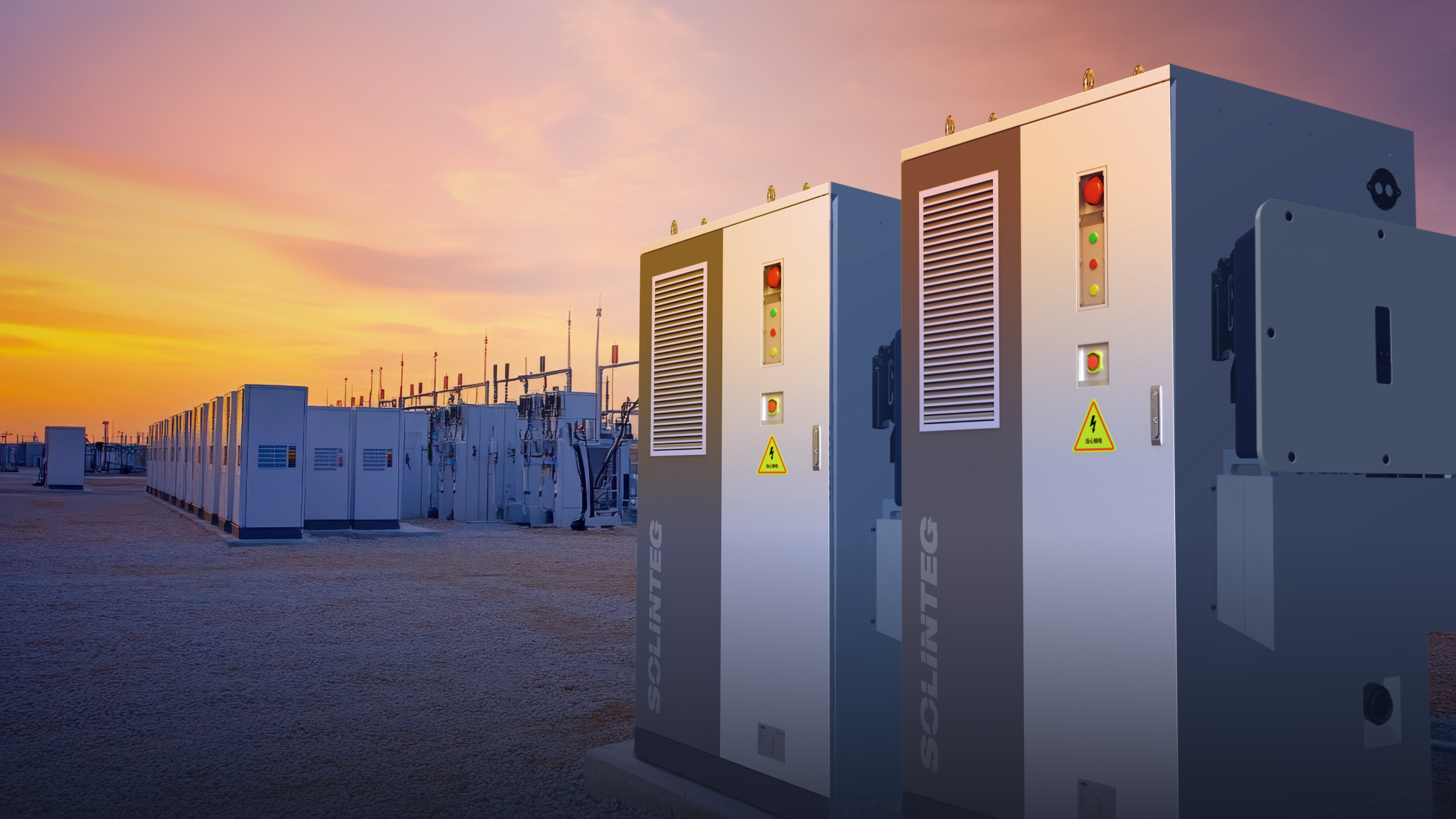
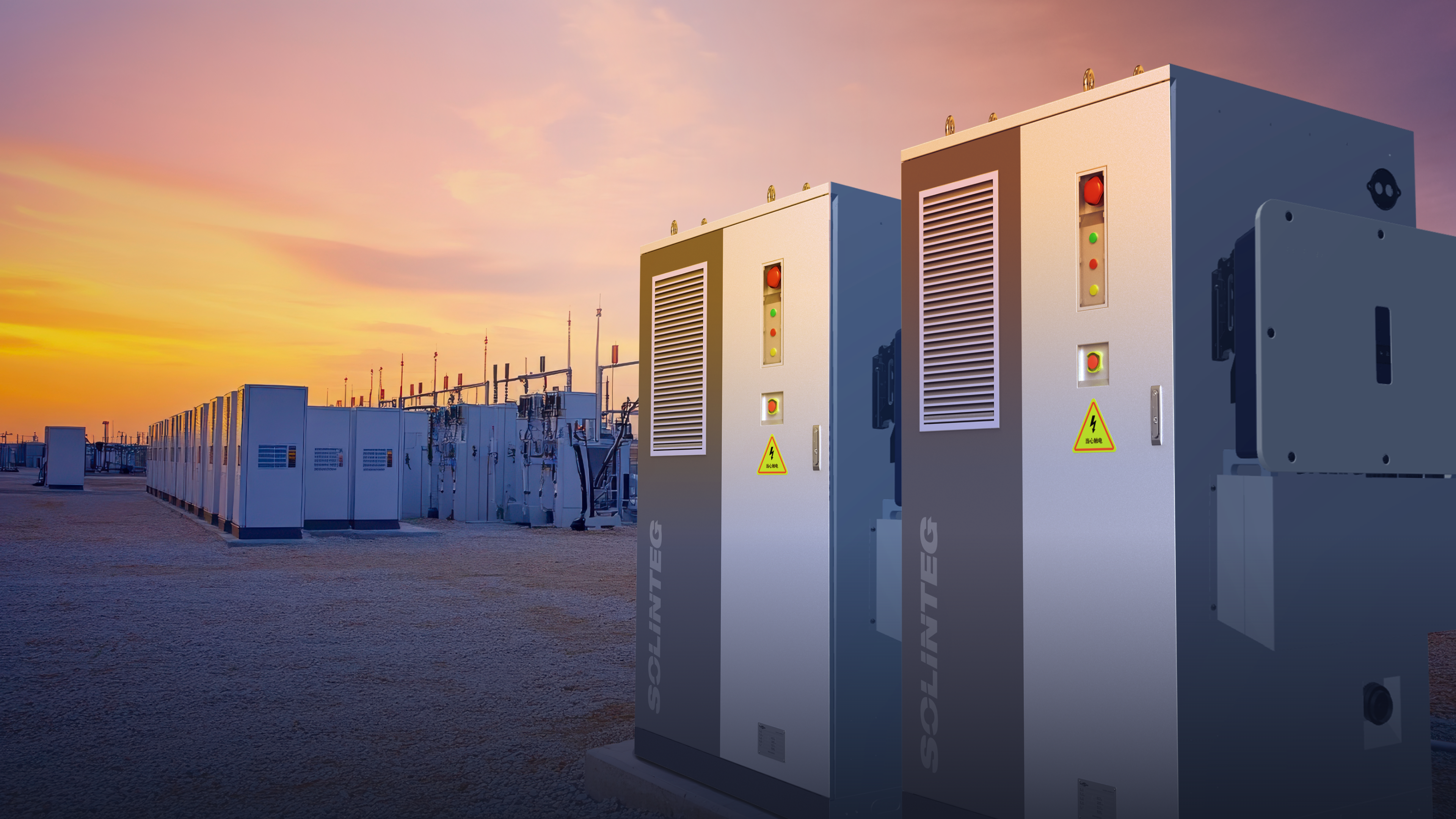
I’ve watched installations at remote cabins and urban rooftops stumble on the same problems: mismatch between solar yield and night-time demand, clunky multi-box setups, and grid interruptions that make batteries sit idle. That pattern pushed my curiosity toward hybrid approaches and toward a compact all in one energy storage system that bundles inverter, battery interface, and power management into one chassis. The comparative thread here is simple: when you stack hybrid inverter designs against separate inverter-plus-battery systems, the questions become practical—cost, control, and how smoothly the system handles outages and peak shaving.
Core storage challenges, concisely stated
Three consistent pain points show up on projects across climates and markets: limited round-trip efficiency that wastes harvest, complicated installation and commissioning, and slow response during blackouts. Add lifecycle uncertainty for lithium-ion packs and the need for a robust battery management system (BMS) that protects cells and manages state-of-charge (SoC). These are technical headaches and real homeowner headaches—both matter when a family’s lights depend on the system.
How hybrid inverters compare to other architectures
Hybrid inverters combine PV inverter functions with battery charge/discharge control, which simplifies wiring and often improves round-trip efficiency compared with a two-box AC-coupled setup. In DC-coupled systems, panels charge the battery through a single DC link—good for efficiency, but more complex to scale. Separate inverter + battery architectures give flexibility for component swaps, yet they introduce more failure points and higher balance-of-system costs. Practical takeaway: hybrids trade some modularity for lower upfront integration overhead and simpler commissioning.
Real-world anchors and outcomes
The value of integration becomes clear in events such as the Texas 2021 winter storm and California’s Public Safety Power Shutoffs, where fast islanding and stable inverter behavior mattered. Installations that used tightly integrated hybrid designs restored home circuits faster and managed limited solar input more predictably. Those cases highlight a verdict many installers reached in real sites—simplicity reduces service calls and improves uptime, especially when firmware handles charge limits and grid-tie logic without firmware juggling across devices.
Operational trade-offs worth noting
Performance isn’t only about hardware. Firmware features—export control, time-of-use scheduling, and SoC-based prioritization—shape outcomes. Expect trade-offs: some hybrid units limit peak AC export or require firmware updates for new grid codes. If you need deep discharge cycles or customized cell chemistry support, a separate inverter plus high-end BMS might still win. But for most residential and small commercial projects, a well-specified hybrid cuts install hours, reduces points of failure, and often improves net energy delivered.
Common mistakes when choosing a system
Installers and owners repeatedly miss three things: under-sizing the inverter relative to peak loads, ignoring thermal management for batteries, and skipping firmware compatibility checks with local grid codes. I’ve seen a tight rooftop array constrained by a low-rated inverter—simple oversight, big performance hit. —A short check during spec stage prevents expensive retrofits.

Alternatives to weigh
Consider DC-coupled systems if you prioritize efficiency and plan future battery expansion. Choose AC-coupled setups for retrofit flexibility on homes with existing inverters. For turnkey simplicity and fewer site visits, hybrid boxes that include inverter and BMS usually win on time and predictable behavior. Each path has clear signals: throughput needs, scalability, and whether the project owner tolerates multiple vendors during warranty claims.
Three golden rules for evaluation
1) Match continuous inverter rating to realistic peak load, not just average demand—oversizing prevents brownouts during appliance spikes. 2) Confirm the BMS supports the chosen cell chemistry and provides clear SoC and thermal monitoring logs—data matters during warranty and performance tuning. 3) Prioritize firmware that supports fast islanding and configurable export limits for grid compliance and resilience. These three metrics show whether a solution will behave on day one and year five.
When the goal is reliable, low-fuss resilience across seasons, integrated hybrid designs often deliver the best balance of efficiency, ease, and predictable behavior—SOLINTEG fits neatly into that narrative as a practical option for installers and owners alike. —