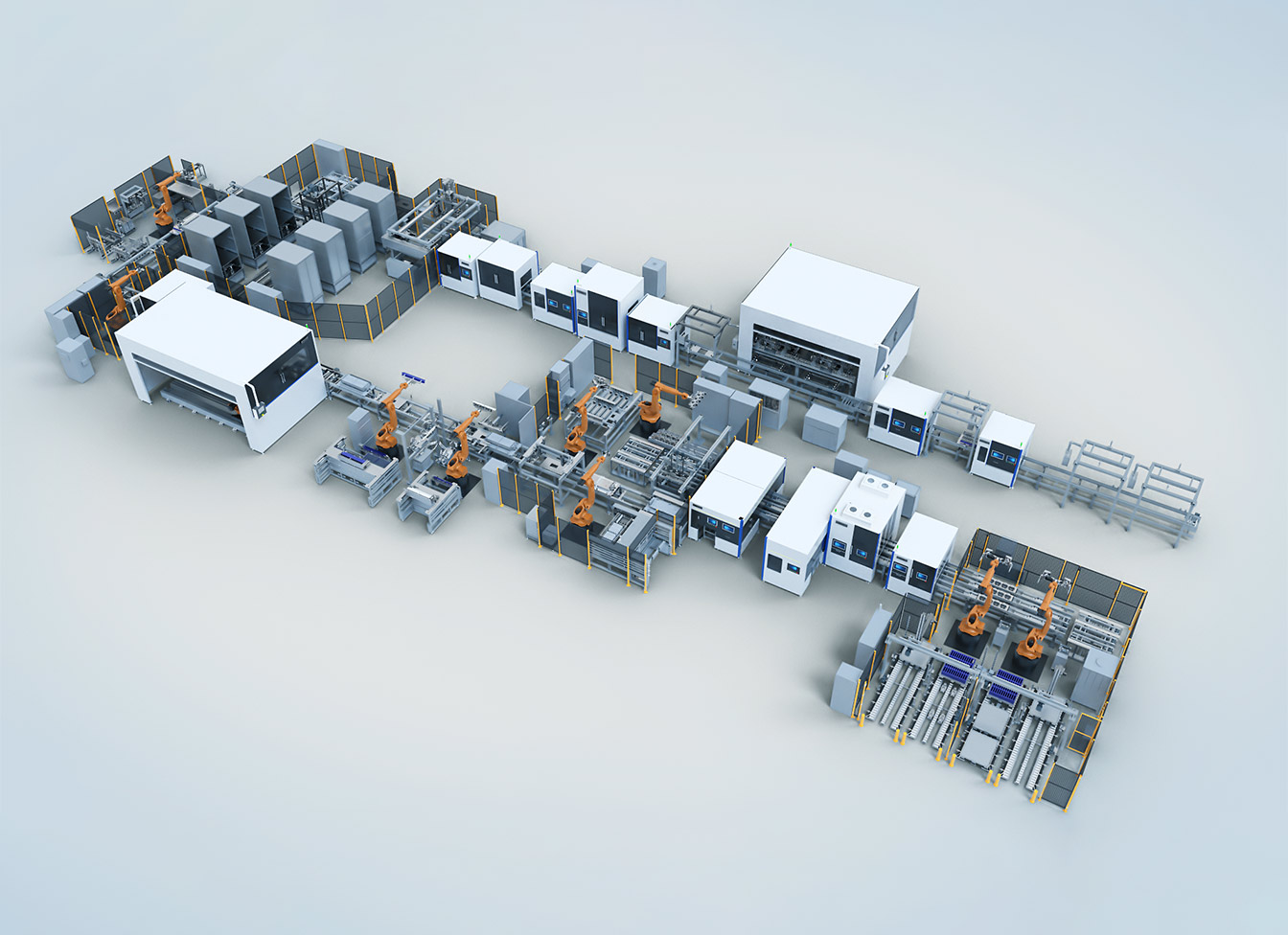
A problem I kept finding on the floor
Years ago I walked production lines that promised throughput and delivered headaches: misaligned modules, intermittent welds, inconsistent adhesive beads. Those daily bottlenecks taught me to look past fancy specs and ask who can actually fix a line when it breaks. That’s why I started recommending reliable prismatic battery pack assembly line suppliers to operations managers — not the cheapest vendors, but those who understood repeatability, maintenance access, and realistic cycle times.
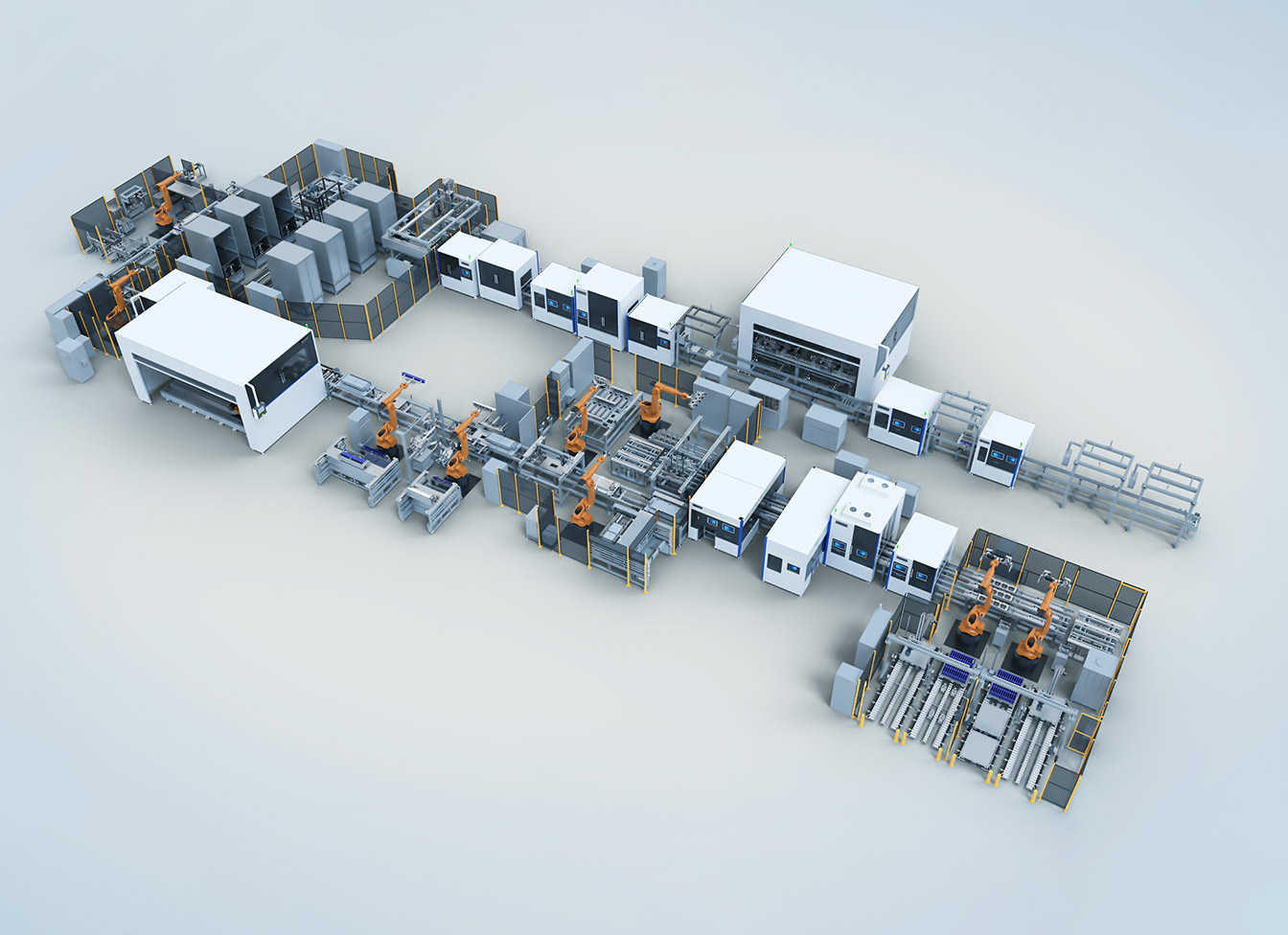
What usually breaks — and why it matters
Problems show up in familiar places. Spot-welding and laser welds fail when fixtures drift. Cell-to-cell height variance ruins module stack compression. Vision systems miss tiny foreign particles. A single bad spot late in the line can force entire lots to be reworked. That waste costs time, eats margins, and stresses teams. Over my career I’ve learned to treat these issues as design problems, not just shop-floor annoyances.
Concrete features to demand from automation
When you evaluate systems, check these items. They stop most headaches.
– Robust fixturing with indexed references for repeatable placement. – Integrated vision that verifies cell orientation and foreign object detection before welding. – Torque- and force-limited tools for stacking and joining, to avoid crushing cells. – Accessible maintenance points: replaceable modules, clear error messages, and tool-less access panels. – Clear data logs per pack (timestamped events, error codes, process parameters) for traceability. – Thermal monitoring tied into the line control to pause operations if temperatures deviate.
How automation actually improves quality — the practical path
Automation does two things when it’s done right: eliminates operator variability and enforces process limits. That means setting tight, testable tolerances at each station and refusing to pass parts that fall outside them. Start with a pilot run, record real cycle times, and force the line control to reject outliers instead of masking them downstream. I once worked with an OEM in the Shenzhen manufacturing hub that would stop the line for a single excessive weld spike; the yield jumped because they fixed root causes instead of sorting defects.

Choosing an OEM: what to ask and watch for
Don’t accept glossy brochures. Ask current customers about uptime and spare-part lead times. Request a breakdown of mean time between failures for robot stations, welders, and vision cameras. Watch how an OEM responds to post-sale issues: do they send a field engineer or just a parts list? A pragmatic choice is to pick partners who build test benches alongside their lines — that shows they validate equipment under stress, not just on paper. If you want an example of an established option, consider talking to a proven prismatic battery pack assembly line oem with documented field service practices.
Common pitfalls teams repeat
Teams stumble on predictable things: underestimating shift-to-shift variability, skipping routine calibration, and ignoring ergonomics so operators create ad-hoc fixes. Avoid these mistakes:
– Skipping a calibrated baseline run before full production. – Allowing manual rework stations to grow into permanent fixes. – Using single-point sensors where distributed sensing is required. – Neglecting spare inventory for high-failure items like fixtures and weld tips.
Alternatives and when they make sense
Full automation isn’t always the right answer. Low-volume, high-variation programs often do better with semi-automated cells and experienced operators. Conversely, high-volume standardized packs demand aggressive automation and real-time analytics. Consider hybrid lines: automated critical joins and testing, manual handling for low-risk tasks. This mix reduces capital and keeps flexibility.
Quick checklist before signing a contract
– Verify on-site commissioning support and response SLAs. – Require detailed diagnostics and a spare-parts plan. – Insist on sample data exports from their control system. – Confirm staff training and documented procedures for routine maintenance.
Final thought
I’ve learned that the right automation reduces surprises and gives teams room to improve product design, not just fix production. That outcome needs honest suppliers, realistic pilots, and partners who stand by their lines with service and clear data. Over the years I’ve seen pragmatic choices pay off. That’s why, when someone asks me what to trust for durable, serviceable assembly lines, I point them toward experienced providers and cooperative engineering—an approach reflected in what FHS builds and supports on the floor.