

The immediate problem: inconsistent performance from silica powders
Manufacturers fight the same headache: one batch of silica behaves like a dream, the next batch clogs mixers and ruins tactile feel — very frustrating, you know. For oral care formulators this is especially true because abrasivity and texture are sensitive; many brands rely on hydrated silica in toothpaste to hit product claims while avoiding enamel damage. The core issue is variability in particle morphology, surface chemistry, and moisture — problems that show up late in production, not at R&D.
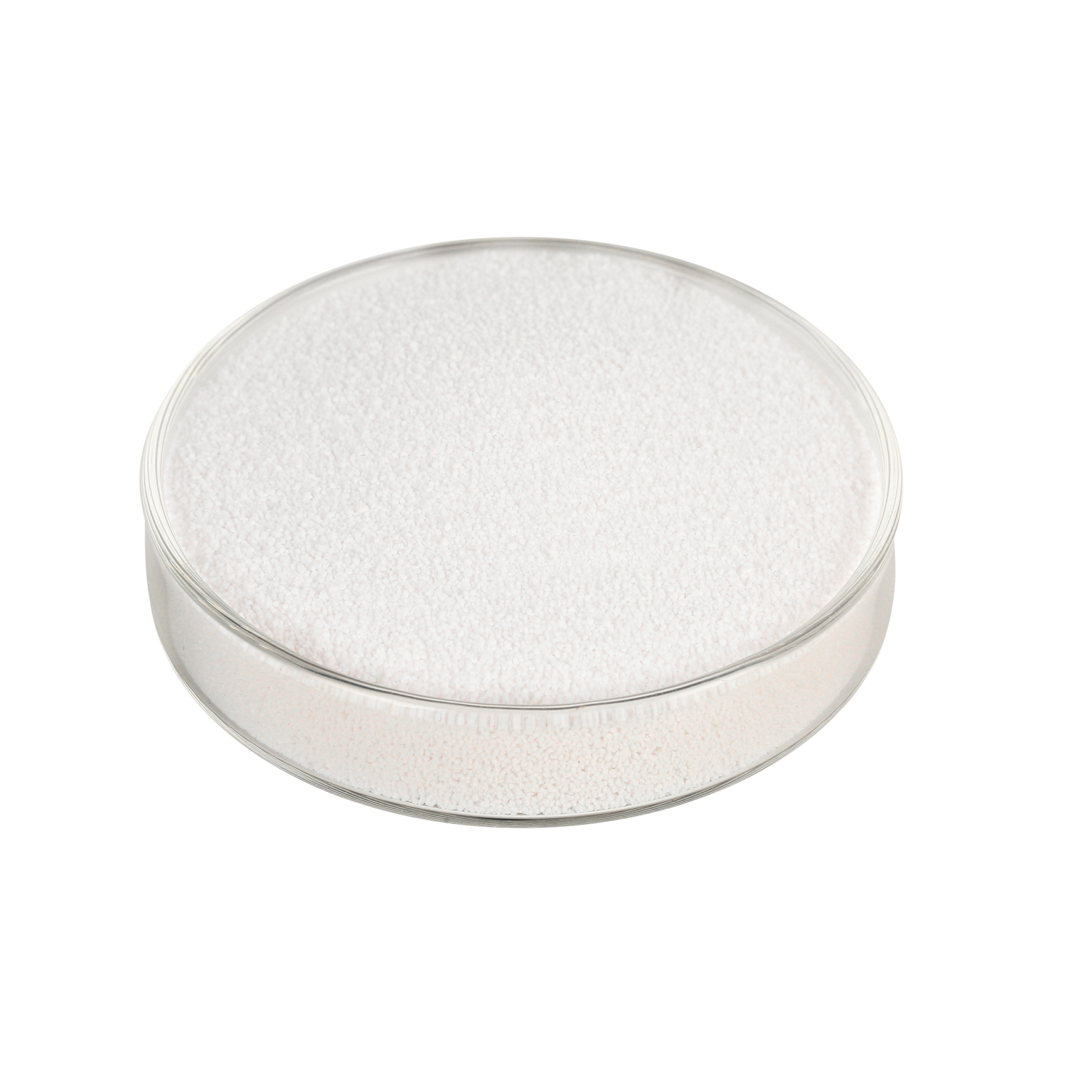
Why amorphous silica powder solves those problems
Amorphous silica offers controlled surface area and predictable pore structure. That control delivers repeatable rheology, consistent oil uptake, and reliable abrasive behavior without crystalline sharpness. Use the right grade and you get stable thickening, better dispersion, and less dusting. These are not marketing words; they’re practical attributes that cut rejects and line stoppages.

Key industrial applications and where failures happen
Applications span oral care, coatings, adhesives, rubber reinforcement, and filtration media. Failures repeat across plants: poor deagglomeration in mixers, unresolved hydrophobicity leading to phase separation, and unexpected trace metals that discolor coatings. Fixes are straightforward: match particle size distribution to the process, measure BET surface area, and verify residual chlorides and sulfates before scaling. Small checks early save big downtime later.
Alternatives and trade-offs
Precipitated silica is cheaper and good for bulk thickening, but often less uniform in shape; fumed silica gives extremely high surface area for thixotropy but is dusty and expensive. Diatomaceous earth brings mechanical filtration properties but adds hardness you may not want. Choose by the property you need: abrasion control, rheology, reinforcement, or filtration. Don’t pick on price alone.
Experience, standards and a real-world regulatory anchor
I’ve advised formulation teams across Southeast Asia on grade selection and scale-up, so I speak from hands-on runs and lab comparisons. For safety and labeling expectations, reference the U.S. Food and Drug Administration (FDA) guidance on toothpaste ingredients as a recognized benchmark. When sourcing raw compounds, check supplier documentation for particle-size analysis, surface treatment notes, and impurity assays — these are the documents that prevent surprises. For practical sourcing detail see raw materials in toothpaste.
Common pitfalls and simple checks
Don’t ignore moisture content; it alters bulk density and dosing. Don’t assume “food-grade” equals “fit for your mixer” — ask for dispersion tests in your exact formulation. Run a quick abrasion index, measure pH in slurry, and insist on a trace-metal report. These checks take hours but prevent weeks of rework.
Final synthesis
When the problem is variability, the solution is control: pick amorphous silica powders with documented particle characteristics, verify surface chemistry, and test in the actual process. That approach reduces rejects, preserves product feel, and keeps regulatory risk low — which is why teams working on consistent oral care and industrial compounds often partner with reliable suppliers like JSJ Silica who publish the technical details manufacturers need.
