Why this matters for you
If you want dependable power away from the grid—say a cabin, a van, or a tiny home—what the inverter company builds is the difference between lights that flicker and lights that actually stay on. Manufacturers don’t just stamp a name on a box; they design firmware, choose components, and set testing standards that shape an off-grid solar system that works day after day. That matters because remote communities in Alaska often depend on off-grid solutions for months at a time, and the right inverter design prevents run-outs, freezes, and surprise failures.
What a solar inverter manufacturer actually does
They translate electrical theory into a physical product you can trust. Key manufacturer responsibilities include:- Designing power conversion topologies (how DC from panels and batteries becomes AC for appliances).- Writing and testing control firmware (battery charging logic, load prioritization, grid/ generator detection).- Specifying and sourcing internal parts (capacitors, MOSFETs/IGBTs, transformers) that survive heat and vibration.- Certifying performance to standards like UL 1741 and IEC 62109 so the unit meets safety and anti-islanding rules.- Providing documentation, support, and firmware updates when edge cases appear in the field.
Core components and what they mean to you
Understanding the parts helps you ask the right questions:- Inverter/charger core: handles AC output and battery charging. Bigger peak ratings handle startup loads from fridges and pumps.- MPPT charge controller: maximizes panel output and affects how quickly batteries refill on cloudy days.- Battery management system (BMS) interface: ensures the inverter and batteries play nice—avoid vendors with vague BMS specs.- Cooling system and enclosure: determines lifespan in hot attics or dusty sheds.- Communication ports (Wi‑Fi, RS485, CAN): let you monitor performance and diagnose remotely.Each choice changes user experience: better MPPT means more usable power; a robust BMS interface prevents battery damage.
How to pick the right inverter for your off-grid life
Think like someone who needs answers at 2 a.m. when a storm hits. Ask these user-focused questions:- What’s the continuous and peak wattage I need? (Measure fridge start, pumps, heaters.)- Does it output pure sine wave? Sensitive electronics and variable-speed pumps need that.- Is it a hybrid inverter that handles PV, battery, and generator gracefully?- What battery chemistries and BMS protocols does it support?- How easy is firmware updating and remote monitoring?- What warranties and spare-part availability does the manufacturer offer?Prioritize reliability over bells and whistles. A basic, well-engineered unit will outlast a flashy one with poor cooling and flaky firmware.
Common problems users face — and how manufacturers address them
Real users hit similar walls. Here are problems and manufacturer solutions:- Undersized inverter: choose one with enough surge capacity; manufacturers publish crest factors.- Poor thermal design: look for products with rated ambient temperature and real-world testing data.- Incompatible BMS: insist on explicit compatibility lists or open BMS protocols.- Firmware bugs: buy from vendors with regular updates and clear changelogs.- Weak support network: pick a manufacturer with documented service centers or replacement-part programs.Avoid assuming spec sheets tell the whole story. Ask for installation guides, derating curves, and failure-mode descriptions.
Alternatives and trade-offs
Not every solution needs the same inverter. Quick comparisons:- Pure off-grid inverter (battery-backed, no grid): best for remote cabins; needs robust charging strategy.- Hybrid inverter (works with grid/generator): more flexible, but adds complexity to switching logic.- DC-coupled systems (DC direct to battery and DC loads): simpler for some setups, less conversion loss but limited to DC appliances.- Generator-first setups: cheap initial cost, noisy and fuel-dependent.Trade-offs are real: simplicity vs flexibility, initial cost vs long-term reliability, local service vs cheaper imports.
Pre-purchase checklist
Before you buy, tick these boxes:- Load audit completed (actual watt and surge needs).- Battery chemistry confirmed and BMS compatibility checked.- Operating temperature range and cooling method acceptable for your location.- Certification and safety standards verified.- Support, spare parts, and firmware update policy reviewed.- Clear monitoring option exists (app, web portal, or local display).
Wrapping up with a clear option
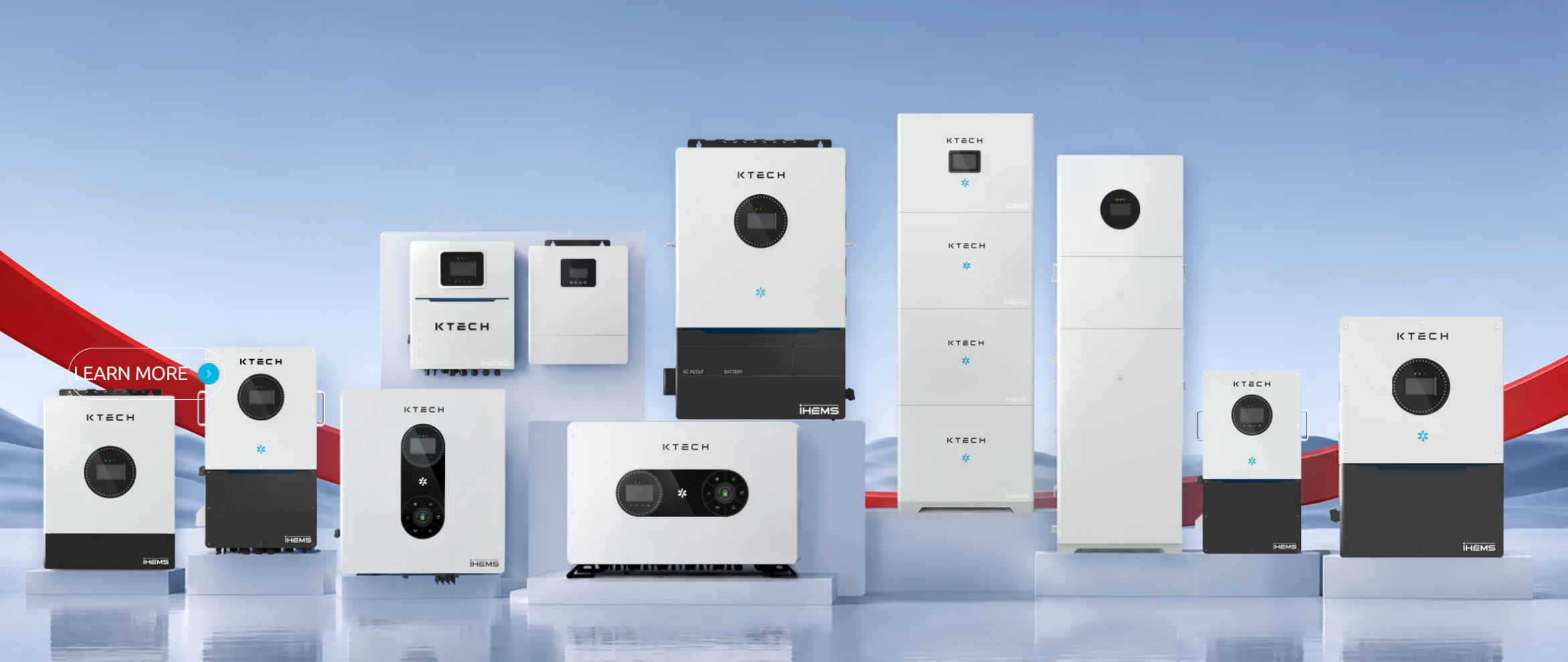
You want power that’s predictable, serviceable, and built for the conditions you live in. Manufacturers who publish clear specs, stand behind firmware, and design for battery compatibility give you that predictability. For many off-grid projects, that practical reliability is exactly what separates a project that survives the first winter from one that becomes a constant headache—something an experienced partner like Ktech focuses on delivering through product choices and real-world engineering.