
Why your mixes keep failing
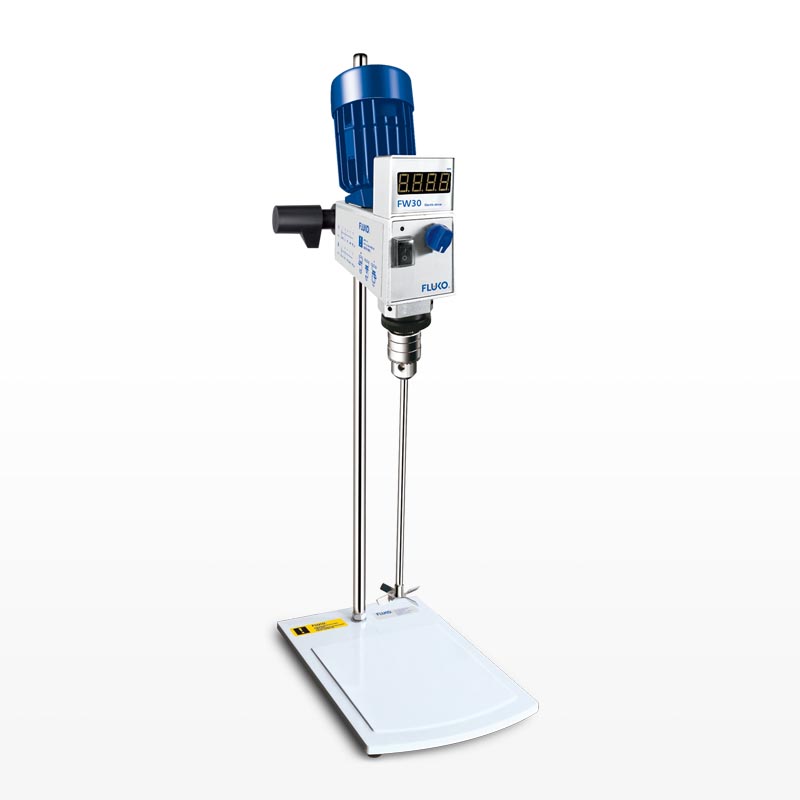
Too many lab runs end with clumps, heat spots, or scale-up surprises. You can blame the recipe, but most failures trace back to the wrong tool for the job — not the chemist. A compact Laboratory mixer chosen without thinking about shear profile, throughput range, or cleanability will make repeatability a nightmare. Let’s treat the real problems first, then match features that prevent them.
Top problem patterns and what fixes them
Clumping at low volumes: use rotors designed for high local shear and small gaps to get immediate dispersion. Overheating sensitive emulsions: choose models with efficient heat transfer paths or intermittent duty cycles. Scale-up flops: pick geometries where shear and residence time scale predictably. Cross-contamination headaches: prioritize removable, CIP-friendly heads and materials certified for your product. Each of these fixes maps to features you can check on a spec sheet.
Specs that actually matter — not the filler metrics
Ignore marketing buzzwords. Look at rotor-stator gap tolerances, max tip speed, turndown ratio (min to max flow that keeps dispersion consistent), and material traceability (316L, PTFE seals, etc.). Ask for particle size distributions at target throughput, not a lab demo at tiny volumes only. Verify clean-in-place capability with your solvents. Those concrete numbers predict lab-to-production success better than glossy photos.
Alternatives to inline high-shear and when to pick them
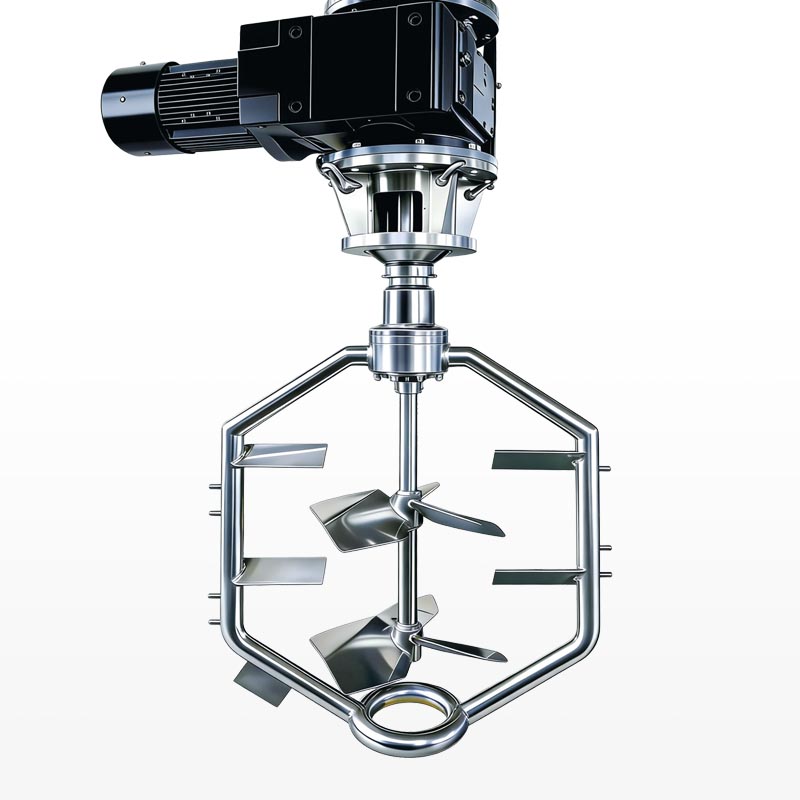
Ultrasonic processors beat high-shear mixers for nano-emulsions at tiny volumes, but they struggle on viscous batches. Bead mills are great for hard-to-break particles but add wear concerns and heat. Batch rotor-stator mixers work for flexible batch sizes but make scale-up tougher. Pick inline high-shear when you need consistent shear history, plug-and-play integration with process lines, and easier scale-up between lab and pilot flows.
Common mistakes teams make during selection
Teams pick on price, not process fit. They assume higher rpm equals better mixing. They buy the smallest unit and expect linear scale-up. They forget maintenance access and seal lifetimes. Stop guessing: run a short qualification with your actual formulation, measure particle size and viscosity before and after, and insist on documentation for materials of construction and service intervals.
Experience, evidence, and one real-world anchor
I’ve spent over a decade advising formulation teams and testing mixers on bench and pilot lines, so I judge options by reproducible data and serviceability. Major conferences like CPhI Worldwide routinely showcase case studies where lab-to-pilot failures were solved by swapping to properly specified in-line systems. For hands-on comparison, measure the same batch on a bench unit and a lab inline high shear mixer to spot differences in particle distribution, temperature rise, and cleaning time. That direct test beats brochures every time.
What to ask suppliers and a quick decision checklist
Ask for: verified particle-size data at your throughput, materials certificates, CIP protocols, service intervals, and spare-part lead times. Run this checklist: does the rotor-stator gap suit your particle target? Can it handle your max viscosity? Is the wetted path stainless and traceable? Is there local support for spare parts? If anything’s unclear, get it in writing and test it with your formulation.
Where this choice pays off
Pick the right tool and you stop firefighting batches. You get repeatable emulsions, predictable scale-up, and fewer contamination incidents. If you value reliable lab-to-pilot transfers and documented performance, consider vendors who publish real performance data and support trials — that’s the practical difference between guessing and solving. For many teams, that practical difference is what they find when working with FLUKO.