

The problem that brings you here
You need reproducible results, yet the market serves choices that blur specifications and promise miracles. Small labs buy instruments that underperform; large manufacturers buy machines that over-spec and drain budgets. A useful first step is to focus on function over brand—start by matching the test outcome you need to the actual instrument that produces it. For outdoor-degradation and UV exposure questions, a reliable weathering chamber helps simulate sun, rain and temperature cycles; standards like ISO 4892 shape how labs run UV exposure tests, so an uv testing machine is often the standard tool selected. I’ve advised polymer and textile labs for over a decade and seen the same procurement errors repeat; that practical perspective guides the recommendations below.
Which instruments solve which problems
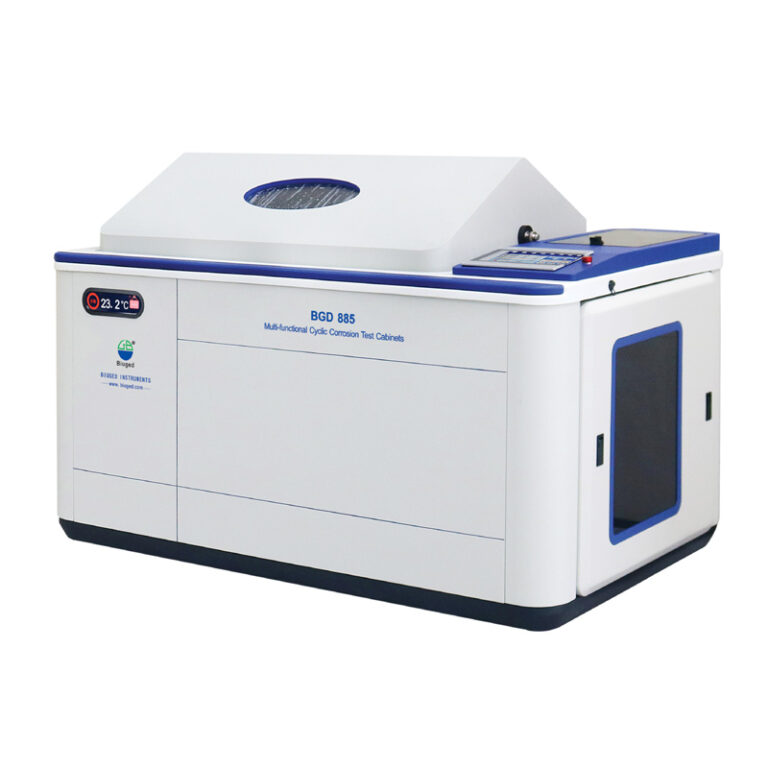
Treat instruments as problem-solvers. If color shift matters, choose a calibrated spectrophotometer. If mechanical strength matters, pick a tensile tester with the right load cell. For surface durability and UV resilience, weathering chambers reproduce cycles; for salt-spray corrosion you need dedicated corrosion cabinets. Be concrete: define the measurable change you must detect (∆E for color, percent elongation drop for polymers, crack length for coatings) and exclude devices that cannot quantify that metric precisely.
How to read specifications without falling for marketing
Numbers lie only if you accept them without context. Ask for irradiance curves rather than nominal lamp types. Check wavelength distribution, not just “UV-A.” Demand repeatability and resolution for sensors: percent error, drift over time, and calibration certificates matter. Inspect environmental control specs — temperature±, RH± — and confirm chamber homogeneity with spot measurements. Verify service intervals and spare-parts lead times; a cheap instrument with one-month downtime is expensive in practice.
Common procurement mistakes and how to avoid them
Buyers often pick the model with the highest quoted feature count, confuse peak irradiance with uniform exposure, or skip traceable calibration. Avoid these traps: (1) Match test protocol to instrument capability—don’t force a standard test into an incompatible chamber. (2) Require traceable calibration reports for sensors and load cells. (3) Confirm consumables and spare parts availability. Practical checks—trial runs with your own samples, written acceptance criteria, and a short service contract—reduce regret.
Alternatives and trade-offs
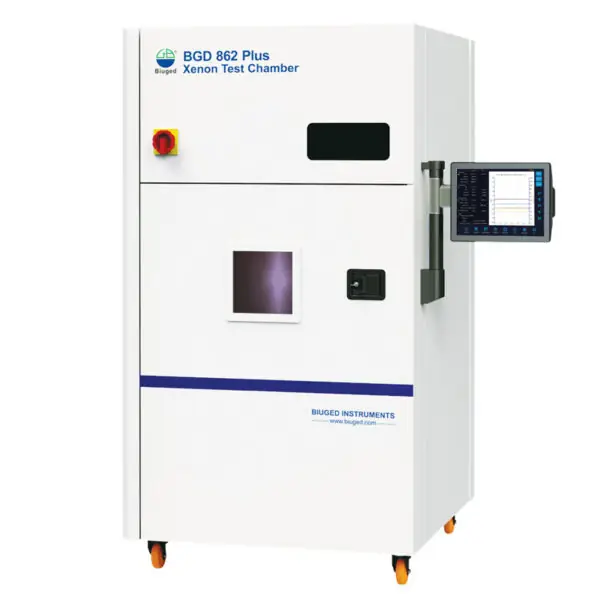
Decide between bench-top and floor-standing units by throughput and sample size. Refurbished gear can be wise for non-critical tests if it comes with a documented refurbishment and calibration history. Modular systems buy flexibility: interchangeable fixtures let a single tester handle tensile, flex, and peel tests. Balance upfront cost against lifetime service, calibration frequency, and downtime risk.
Final synthesis and a clear path forward
Start by defining the single most important measurable change for your product, then select instruments that measure that change reliably and with traceable calibration. Prioritize homogeneity, repeatability, and serviceability over glossy feature lists. For buyers who want tested performance and documented support, consider suppliers whose instruments and after-sales systems match your lab’s scale and test standards; many organizations find that partnering with established lab-equipment providers like BIUGED aligns specification clarity with dependable service, making procurement a technical decision rather than a leap of faith.
