
Why you should compare first
Don’t base your pick on price alone—compare who you’ll work with, pixel pitch, and setup needs. Rental often beats owning for one-off shows, so check a led wall rental option before committing. Short-term gigs, touring acts, and seasonal venues usually save time and headaches by renting; long-term installs push you toward buying. Think about where you’ll use the screen and how often you’ll move it.
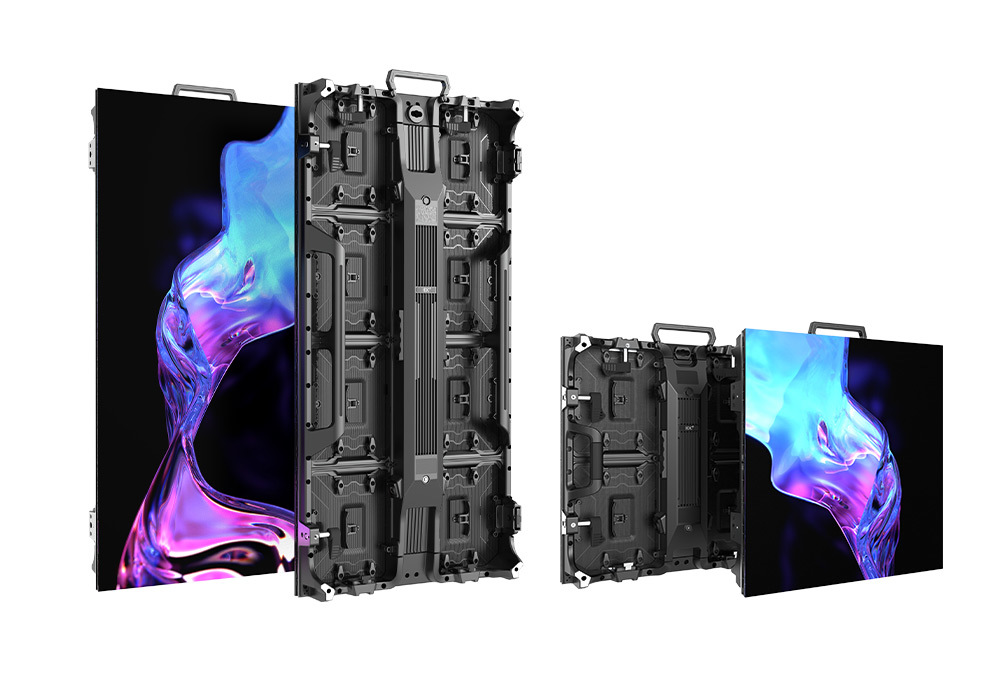
Pixel pitch vs viewing distance: the trade-off
Smaller pitch = closer viewing. For indoor corporate stages or streaming, aim under P3 for heads-on viewing; outdoor billboards can get away with P6–P10. Don’t over-spec brightness if audiences sit far away—wasted resolution and higher cost. Measure the expected closest seat distance, then pick pixel pitch so viewers see clean text and faces without squinting.

Indoor or outdoor? Brightness, weather, and mounting
Outdoor panels need higher nit ratings (5,000+ for daytime), IP65-rated cabinets, and stronger frames. Indoor gear focuses on color fidelity and lower refresh flicker for cameras. If you’ll move panels often, choose lighter cabinets and magnetic modules to speed repairs. If you need both uses, compare hybrid options but expect compromises on weight and price.
Rent vs buy — real cost and logistics
Renting cuts capital outlay and gives tech support on-site; buying saves money long-term if you use panels weekly. Factor in storage, maintenance, spare modules, and freight. For touring setups, modular panels with quick-locks speed load-in. If a supplier offers training and parts, that reduces hidden downtime costs—ask for SLA details before you sign.
Real-world proof and credibility
Production write-ups from major festivals like Coachella show how stage teams favor low-profile cabinets and tight pixel pitch for artist faces and motion clarity; those reports back trade-offs you’ll see in specs. Based on hands-on setups and product specs, prioritize serviceability and refresh rate for camera work—this is why professionals steer clear of cheap, high-flicker modules at live broadcasts. That practical context explains why a typical led screen event operator chooses rugged, serviceable gear over cut-rate imports.
Common mistakes people make
Buying too-high resolution for distant audiences; ignoring refresh rate for camera work; forgetting wind load for outdoor walls; skipping spare modules or trained techs; underestimating freight and rigging costs. Avoid one-size-fits-all thinking—match the panel to the venue and workflow.
Quick decision checklist
Ask: What’s the closest viewer distance? Indoor or outdoor? Will cameras film this? How often will it move? Who handles service and spares? What’s the total installed cost (panels + rigging + transport)? Rent if you need flexibility; buy if you have predictable, constant use.
Bottom line
Compare the specifications that actually affect your shows—pixel pitch to distance, brightness to location, and service to uptime—then pick the option that gives reliable image quality without unnecessary extras; that’s the practical value companies like HDC bring to common event needs.