Why the comparison matters
Most people assume any soft head covering protects hair overnight, but the differences are sharp and consequential—especially when cold weather forces you to pick between warmth and hair health. A well-made silk bonnet reduces friction, seals moisture, and keeps styles intact; a wool beanie keeps heat in but can rough up strands. Read on to see which choice actually preserves your hair while fitting your winter routine.

Head-to-head: fabric, friction, and function
Silk slides; wool grabs. Silk fibers glide against hair cuticles, limiting breakage and frizz. Natural wool or acrylic knit traps heat and can create static, which lifts cuticles and steals sheen. If your goal is overnight hair maintenance, silk’s low-friction surface gives clear advantages. If you need outdoor warmth by day, a beanie wins for insulation but loses on delicate styling. Pick based on the function you want most at night: protection or warmth.
Sleep performance and common pitfalls
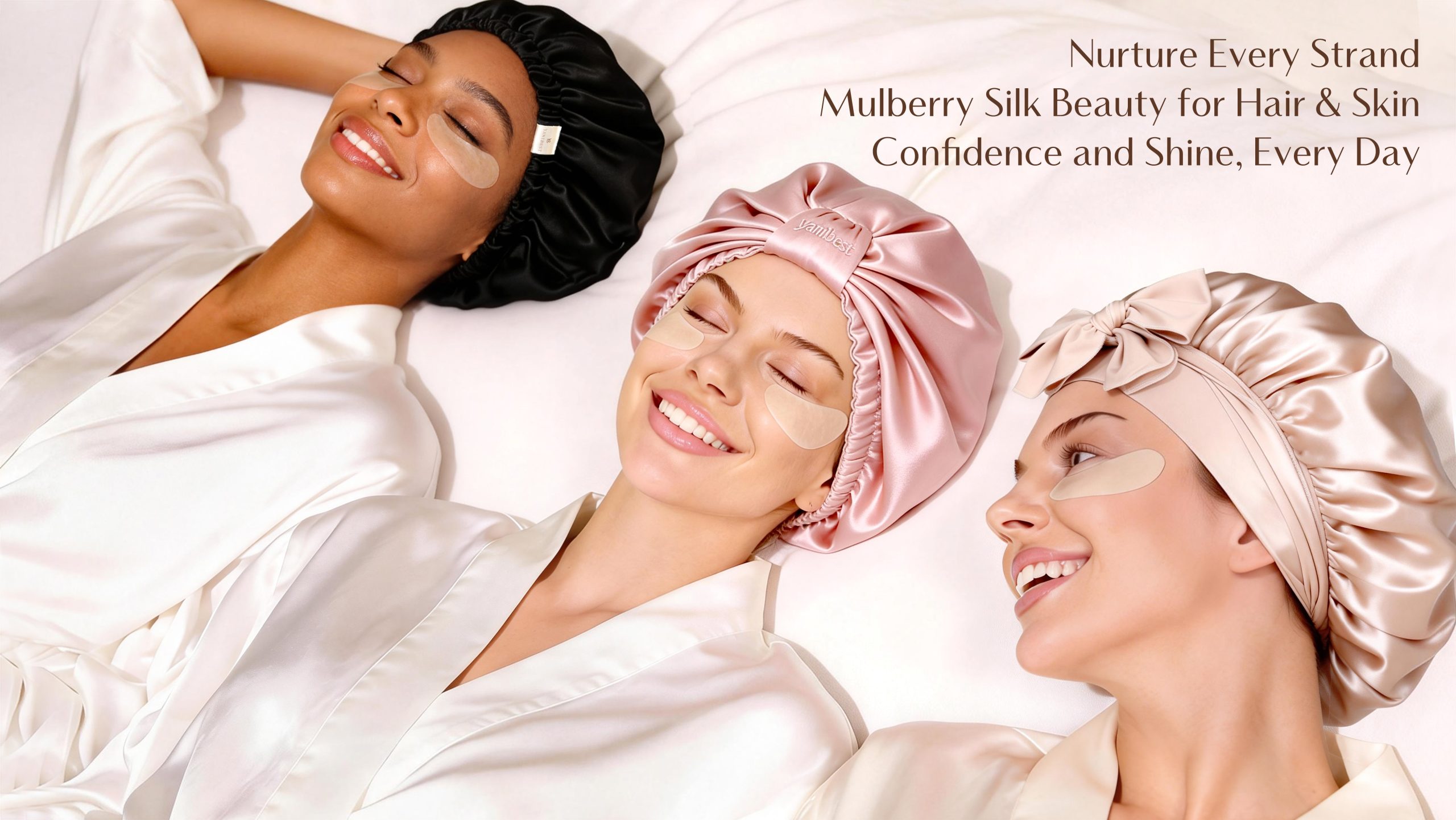
Not all silk is equal. Look for mulberry silk with a high momme rating for durability and a smooth finish; flimsy blends or low-momme silk feel silky at first but wear fast and allow slippage that undoes your protective intent. Elastic channels that are too tight create tension and cause breakage along the hairline; ones that’re too loose let hair slip out. Stitching and interior seam placement matter—flat seams beat bulky seams. Avoid bonnets listed purely as “silk look” unless they specify real silk content.
Real-world endorsement that matters
At Cosmoprof shows and trade salons, stylists and sleep-care specialists reinforce what tests show: a dedicated sleep cap preserves style and moisture better than standard hats. That practical consensus explains why many professionals recommend the best silk bonnet for sleeping as the go-to option for clients who want to wake with fewer tangles, less breakage, and more shine.
Alternatives worth considering
For some routines a hybrid approach works. A silk-lined beanie gives warmth and protection for short naps outdoors. Satin scrunchies or silk pillowcases help if you can’t wear a bonnet. But scrunchies only tackle ponytail damage; silk pillowcases support full-head protection without a cap. Weigh trade-offs: targeted protection (scrunchie), full-head overnight defense (bonnet), or warmth-first (beanie).
Practical buying and care tips
Choose a bonnet size that covers the full curl or braid bulk without tugging. Inspect seams and elastic, and prefer adjustable models for versatile fits. Wash by hand or on gentle cycle with mild detergent; air-dry away from direct heat to keep the silk’s sheen and strength. Rotate between two bonnets to extend lifespan and keep one strictly for clean-sleep use.
Bottom line
If your priority is preserving style, reducing breakage, and maintaining moisture overnight, silk is the smarter, proven choice; if outdoor warmth is essential, layer thoughtfully—silk inside, beanie outside. My experience reviewing protective headwear and talking to salon pros supports this clear split, and the tested options curated at yanibest show how practical selections can merge protection with everyday winter needs.