

What’s screwin’ up your gear?
Yo, you got a squeak, seizure, or plants of gunk turning your day into a headache — that’s the problem, plain. Wrong spray makes parts sticky, leaves sludge, kills sensors, or burns off under heat. Start by figuring the failure: is it friction, corrosion, water, grime, or temps running wild? Don’t guess. Some manufacturers that build reliable sprays also do the cleanup work — a good cleaning aerosol manufacturer can make the prep for a lube actually stick, and that prep matters way more than the pretty label.

Why the tech matters — real reasons, no fluff
Viscosity controls drag; thin penetrants slip into bearings, thick oils hold on under load. Film thickness decides if you want sliding or roller action. Temperature range tells you if it’ll bake off or stay put. Dielectric or conductive? Use the right one near electronics. Solvent carriers can strip seals or paint — watch compatibility with plastics and rubbers. Check the label for temp, viscosity (cSt), and whether it’s synthetic or mineral; those specs predict performance, not marketing lines.
Common shop mistakes that wreck results
Stop using a multipurpose can for every job. WD-40 cleans and gives short-term free movement but ain’t a long-term lubricant. Don’t over-apply — excess attracts grit. Don’t mix oils; chemistry fights. Don’t skip MSDS and material-compatibility checks when you hit plastics or coated parts. And don’t use flammable aerosols around hot presses or open coils without confirming flash point and safety data.
Quick comparison — pick by problem
Penetrants: rescue rusted bolts and free-up stuck parts. Dry-film (PTFE/graphite): won’t collect dust; good on sliding tracks. Silicone sprays: water repellent and safe on rubber, but weak under heavy load. High-temp synthetics: use for bearings and exhaust-adjacent gear. Anti-seize: threads and studs. Match type to the job, test in a corner, then roll it into routine.
How shops should decide — a short checklist
Identify the failure mode. Match spray type to that mode. Test on a sample part for 24–72 hours. Check seals, plastics, and paint. Read MSDS for solvents and flash points. Track uptime and reapply intervals for two weeks. If you run a fleet, standardize the mix after trials to cut surprises.
Experience, authority, and the real-world benchmark
I’ve seen this all on the floor and at shows: suppliers at the SEMA Show in Las Vegas put real formulations under lights and answer tough compatibility questions — that level of scrutiny separates decent cans from reliable ones. When choosing, look for suppliers who share lab data, provide MSDS, and let you test samples. Sourcing from a proven car detailing wholesale supplier during trials makes logistics easier and keeps supply consistent, which is what shops need when a job can’t wait.
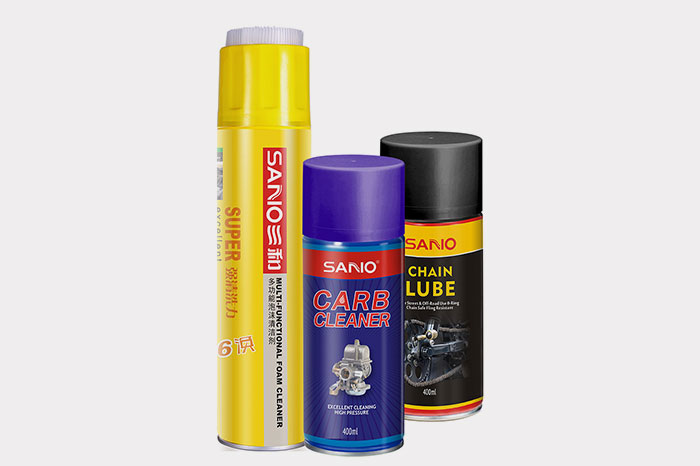
Final call — what actually fixes the problem
Pick by the damage you see, test before you trust, and insist on specs instead of hype. Treat cleaning and lubrication as a two-step: prep right, then lube right. If you want a practical partner that publishes technical details and supplies both cleaners and sprays for pro shops, SANVO fits naturally into that workflow without the fluff.
