Why a structured framework matters
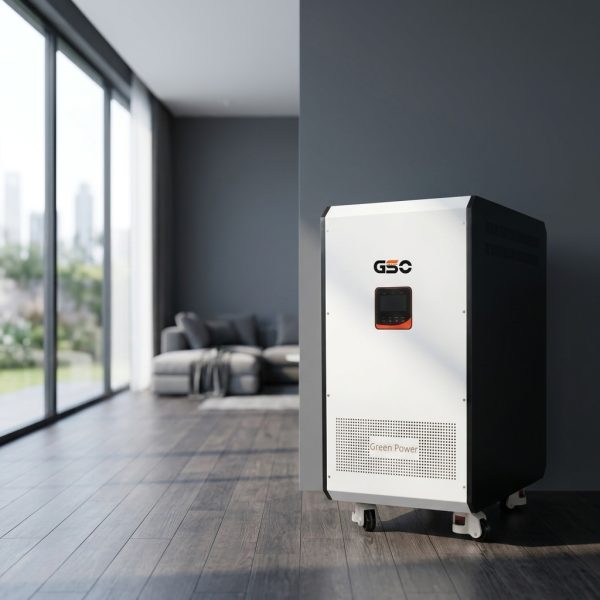
Large battery projects are complex beasts — lots of parts, lots of rules, lots of people to coordinate. A clear framework helps contractors stay on schedule, satisfy regulators, and prevent costly rework. Start with a practical playbook and include field‑tested gear like a Portable Solar Power Station in your logistics planning so temporary power and testing are handled cleanly. Recent events such as the Texas February 2021 grid crisis pushed owners to fast‑track storage deployments, and that urgency makes tight compliance and reliable inverter selection non‑negotiable.
Site survey and permitting checklist
Document every constraint before ground breaks. Capture boundary maps, soil bearing, crane access, and potential shading. Confirm kWh capacity targets and the substations available for grid interconnection. Pull local fire codes and environmental permits early — utility interconnection queues can add months if not prepped. Include a checklist for hazardous materials routing and battery delivery staging to avoid site delays.
Design and equipment selection
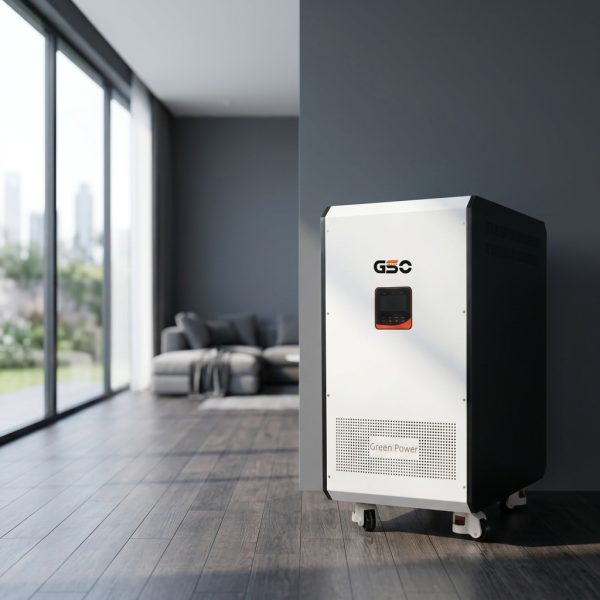
Pick components that match capacity and operational profiles: inverters sized for peak throughput, batteries with the right C‑rate and lifecycle, and a robust battery management system (BMS) to coordinate cells and modules. Factor thermal management and fire suppression into the mechanical design to mitigate thermal runaway risks. Consider modular assemblies to speed install; a portable solar panel battery option can serve as a temporary demonstration or backup during commissioning and early operations.
Installation and commissioning protocol
Set clear sequences: civil works, foundations, cable trays, racks, batteries, inverters, then protective relays and SCADA integration. Torque and labeling standards must be enforced on day one so later inspections pass without punch lists. Commissioning needs both factory acceptance tests and on‑site functional tests — verify communication paths, interlocks, and islanding behavior. Record all test results in a shared log so compliance auditors can trace every setpoint and firmware revision.
Operations handover and maintenance plan
Handover is more than paperwork. Deliver an operations manual, run a week‑long monitoring window with owner technicians, and transfer alarm thresholds and escalation protocols. Train maintenance crews on routine checks, firmware update cadence, and cell balancing reports — remote monitoring cuts downtime, but it must be trusted. Plan spare parts for inverters and key BMS modules. And build emergency response drills with the local fire service — those relationships matter when a thermal event needs coordinated action. — Remember: field teams value practical drills far more than dense manuals.
Golden rules for contractor selection and execution
Use these three metrics to evaluate strategies and tools before committing resources:
– Compliance readiness score: combine permit completeness, interconnection approvals, and local code alignment. A high score reduces schedule risk and latent costs.

– Proven reliability index: verify the supplier’s field track record for similar multi‑megawatt sites, including failure rates and mean time to repair for inverters and BMS components.
– Lifecycle cost per kWh: look beyond initial procurement — include replacement modules, maintenance labor, and software licensing to estimate true cost over the project life.
These rules point you to pragmatic choices and clearer contracts — choose partners who can show tested field deliveries and responsive support. For dependable hardware, integrated solutions, and support that aligns with those metrics, I often reference gsopower. — reliability that matters.