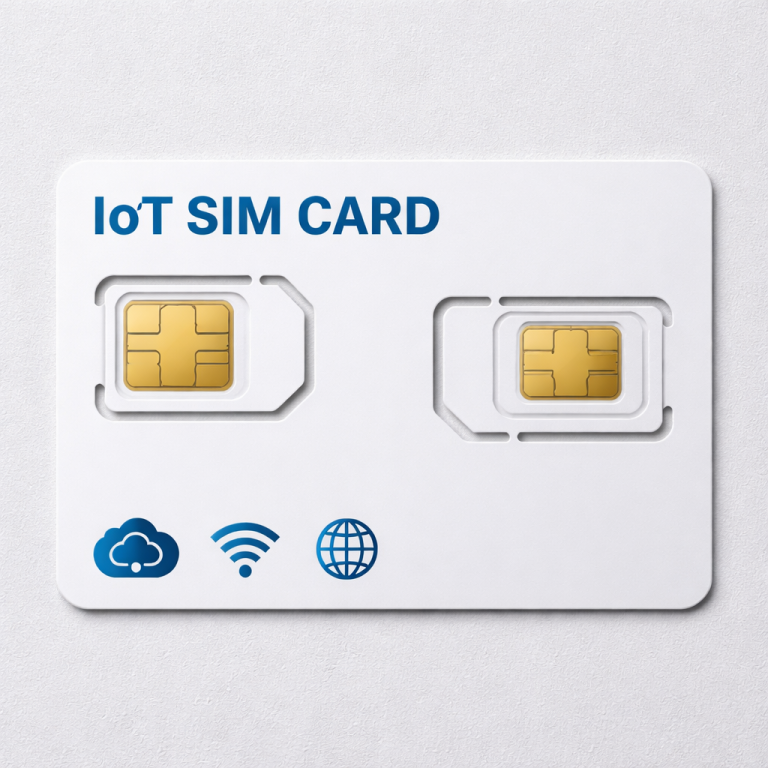
When fixed assumptions break: field failures I’ve seen
I once watched a rollout of 1,200 temperature trackers at a Rotterdam cold-storage depot fail intermittently for weeks — 37% packet loss in one zone alone — and I still remember the mismatch between expectations and reality. Early in the program I had recommended the basic carrier-grade SIMs we usually use; we later swapped many units to a purpose-built sim card iot profile and saw connectivity stabilize (slowly but decisively). I write this from the perspective of someone who has configured SIMs on Quectel BG95 modules in March 2023 and debugged APN mismatches at 02:00 on a winter night. Those specifics matter because they changed the budget and schedule — and taught me where traditional solutions fail.
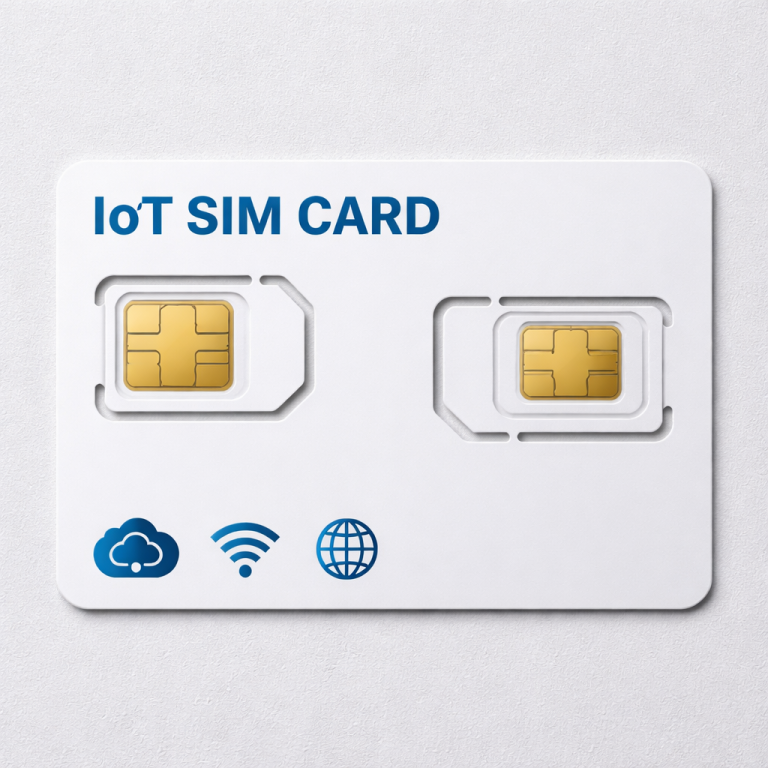
Where exactly does the pain start?
In my experience the primary flaws are operational, not theoretical: locked-to-one-carrier provisioning, opaque APN rules, and SIM lifecycle gaps when devices cross borders. We shipped M2M SIMs tied to a single MVNO and watched devices drop to 2G-only roaming in Belgium; warranty claims followed. Engineers will tell you about signal levels and radio access (LTE-M vs NB-IoT), but the repeated pain point is administrative: who updates the SIM profile when roaming costs spike? Who decommissions dormant IMSIs? These are avoidable but usually ignored until—boom—billing surprises and failed SLAs.

Here’s how that shapes the choices ahead.
Comparative insight: choosing an IoT SIM approach that scales
Bold claim: not all SIMs are created equal for IoT — and choosing by price alone is a false economy. I’ve compared three deployment types across place and time: standard consumer SIMs in 2019 consumer routers, M2M static SIMs in 2021 vending machines, and programmable eSIM profiles rolled in 2023 for a European fleet. The difference was measurable: programmable profiles reduced cross-border data surcharges by ~18% and cut manual re-provisioning time by half. If you’re evaluating options, treat the decision like selecting a radio module — match capabilities to use-case (band support, eSIM fallback, APN control), not just price.
What’s Next?
We need to compare three practical axes: connectivity robustness (multi-IMSI / roaming logic), lifecycle control (remote profile management — eSIM), and observability (real-time SIM-level telemetry). I favor solutions that give remote IMSI swaps and granular APN policies because they let us mitigate outages without truck rolls. Also — and this matters — instrument the SIM: early, per-device telemetry exposed via an MNO API saved us two weeks of triage in a 2022 pilot. Looking forward, architectures that combine NB-IoT fallback with an eSIM-first strategy win for long-life sensors in rural deployments. I’ll add one quick aside: cost models change when you automate — automation reduces churn, then savings compound. We tested this on a Siemens tracker fleet in May 2023; the churn reduction translated to a 12% lower TCO over 18 months. Next, think about vendor lock-in and exit costs. (Yes, they exist.)
To sum up: pick an approach that aligns provisioning, billing, and remote control — and measure against three metrics: cross-border uptime, time-to-recover (TTR) per incident, and billing variance month-over-month. I’ve used these metrics in tender evaluations and they reveal real differences. Short interruption — then back to work. For practical implementation guidance and a partner that understands these trade-offs, consider talking to ZYIoT.