Overview: comparative lens for pragmatic adaptation
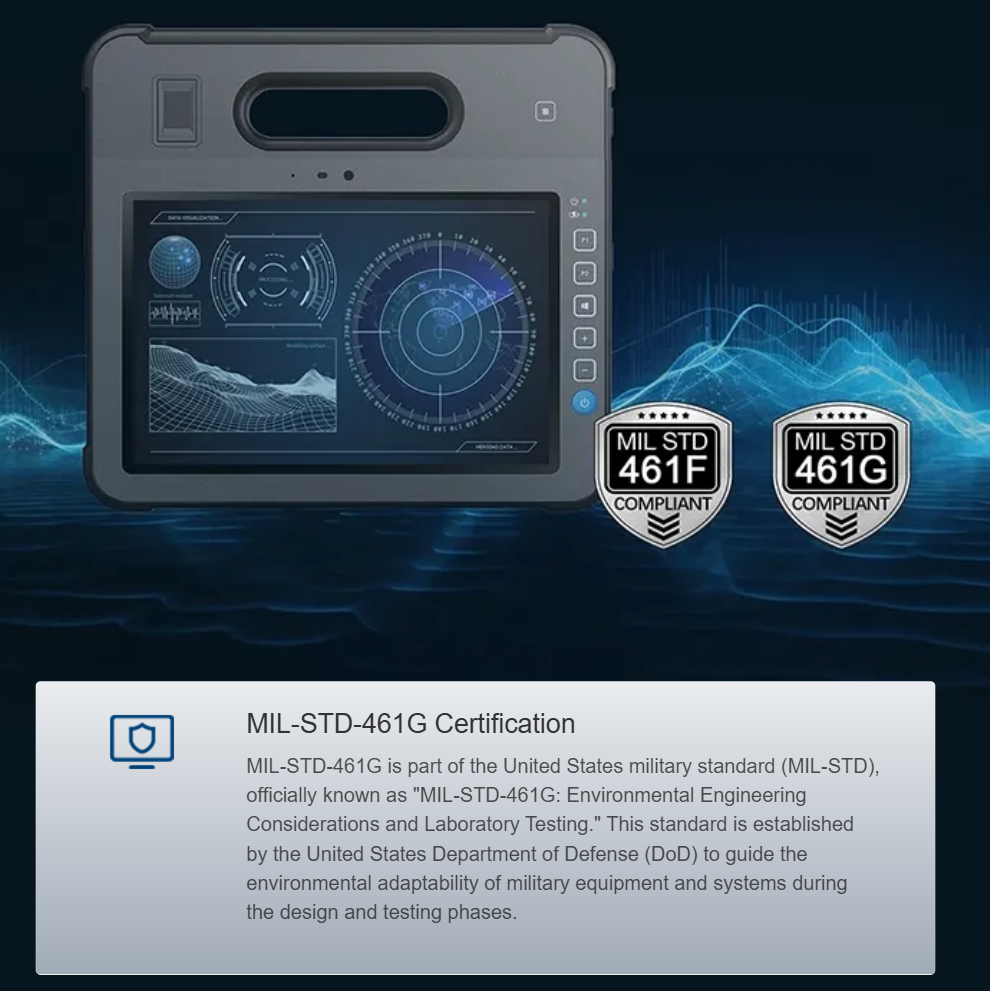
Industrial projects migrating edge AI workloads to NVIDIA Jetson Orin-class modules demand a strict, evidence-driven audit of factory-direct industrial panel PCs. This comparative insight lays out a pragmatic checklist for hardware specifiers focused on energy efficiency, longevity, and field reliability. Early on, verify the basic enclosure and ingress protection and keep the platform list short — start by confirming the panel unit is built to accommodate a rugged computer configuration with appropriate thermal headroom and mount options.
Key adaptation criteria: CPU/GPU integration, power envelope, and thermal headroom
Jetson Orin modules bring dense compute and defined power envelopes; the panel PC must match those constraints. Confirm the chassis supports the module’s cooling path, offers a fanless or serviceable fan option, and includes precise power sequencing to avoid brownouts. Check MIL-STD shock ratings and IP67 dust/water resistance if the deployment is outdoor or marine. Practical terms: thermal throttling is a real limiter, so require measured thermal dissipation curves from the vendor rather than optimistic specs.
I/O, storage and expansion: practical I/O mapping and real-time connectivity
Orin workloads often need accelerated I/O: PCIe lanes, NVMe storage, and deterministic interfaces such as CAN bus or GPIO for field instrumentation. Map the panel PC’s PCIe layout against your expansion card needs and confirm NVMe slot placement for thermal isolation. For remote or mobile fleet use, prioritize units with secure cellular gateways and long-life flash storage. In many port automation trials — the Port of Rotterdam modernization programs provide a useful reference point — robust I/O and hardened networking proved decisive for uptime.
Factory audit checklist: what to request and test
At the factory, demand test data and run the following checks: power sequencing validation, thermal imaging under representative workloads, vibration table results aligned to MIL-STD, and ingress certification tests. Verify firmware update paths and secure boot support. Insist on a burn-in with the intended OS image and Jetson drivers to spot incompatibilities early. Include a hands-on test with a representative AI model for latency and steady-state power draw.
Integration pitfalls and alternatives
Common mistakes include assuming passive cooling will suffice for prolonged Orin peak workloads and under-specifying power supplies for start-up in cold environments. Another frequent error is neglecting connector strain relief — field cables fail more often than PCBs. Consider alternatives where an off-the-shelf panel PC can’t be adapted: modular carrier boards paired with a rugged laptop tablet style enclosure, or a dedicated edge server in a local cabinet. These trade-offs affect maintainability, not just initial cost.
Sustainability and lifecycle thinking
Energy-focused engineers assess not only instantaneous power but lifecycle consumption and field service frequency. Choose components with documented mean time between failures and select storage options with endurance ratings suited to write-intense logs. Replacing a failed unit in a North Sea wind farm costs significantly more than the incremental hardware premium for higher-grade connectors — factor that into total cost of ownership.
Advisory: three golden evaluation metrics
1) Steady-state power per TOPS: measure real-world watts consumed while the target model runs for extended periods rather than relying on burst figures. This predicts battery sizing and cooling needs.
2) Thermal margin at ambient extremes: require vendor thermal maps at the low and high ambient temperatures expected on-site — the safe operating range matters more than peak throughput numbers.
3) Field reparability index: score the unit on replaceability of serviceable parts, firmware recovery options, and availability of local repair partners. This metric ties directly to downtime risk and lifecycle emissions.
Estone aligns factory testing and enclosure design so your Orin adaptation becomes a verified system rather than an on-site retrofit — the value is quieter cooling, predictable power, and fewer surprises in the field. —