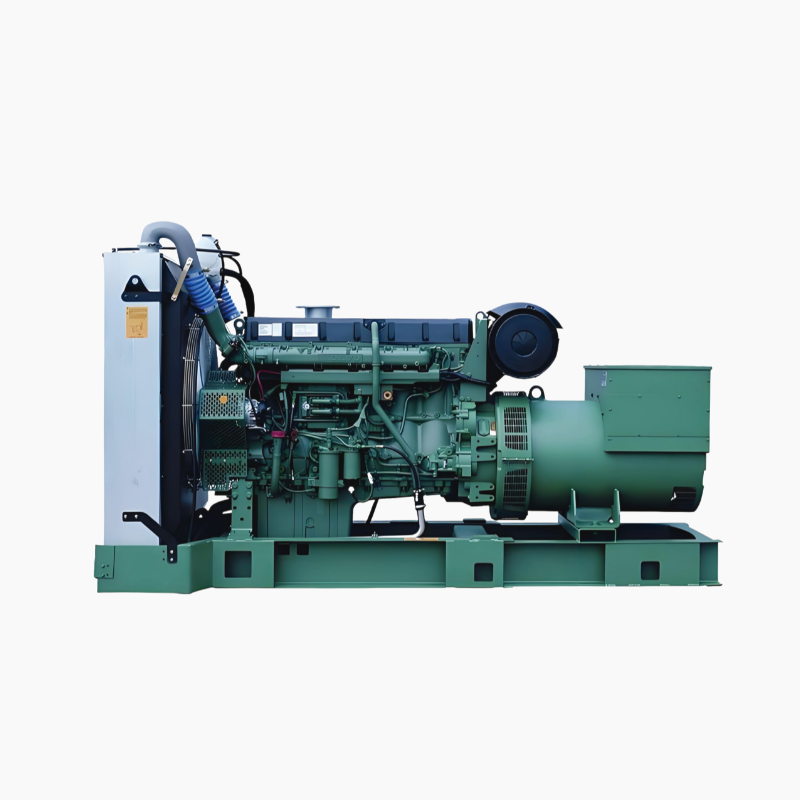
Comparative frame: why the right genset matters
Choosing between portable sets, containerized plants, and full-service packages starts with clear operational needs: backup versus continuous load, transport limits, and maintenance capacity. A side-by-side look cuts through vendor spin and brings clarity—especially when you’re vetting an industrial genset for a plant or a remote site. For many facilities, the decision reduces to how equipment handles standby power spikes, the kVA sizing curve, and how quickly a supplier can deliver and commission units.

Technical differences that change outcomes
Not all gensets are interchangeable. Prime power models tolerate sustained loads; standby power units accept occasional emergency use. Alternator design, engine torque curves, and available synchronization controls determine whether parallel operation is stable and whether load banks can be used for regular exercise. In practical terms, a mismatched unit shows up as voltage flicker, overheating under long runs, or failure to synchronize during transfer—issues that cost hours of downtime.
Sourcing: what to look for in a supplier
Procurement should weigh equipment specs against service footprint. Fast shipping matters, but so does local aftercare: routine oil changes, spare-part stocks, and trained technicians. Look for an industrial diesel genset supplier with documented field service in similar climates—cold-start performance in northern winters, or dust-handling in arid sites. Real-world anchor: during the February 2021 Texas winter storm, sites that had service contracts and correctly rated standby power recovered faster than those that didn’t.
Cost versus lifecycle: the comparative math
Upfront price is only part of the ledger. Fuel consumption curves, scheduled maintenance intervals, and the cost of common wear parts shift the lifecycle cost significantly. Compare total operating hours, typical fuel burn at 75% load, and expected overhaul intervals. A higher initial capex for a resilient alternator or a heavier-duty cooling package can pay off in fewer unscheduled outages and longer overhaul cycles.
Common procurement mistakes—and how to avoid them
Teams often buy to a brand name or a quoted kVA without mapping real load profiles. That leads to oversized gensets that idle inefficiently, or undersized packs that trip under peak loads. Another frequent problem is skipping synchronization testing—parallel operation without proper controls can damage alternators. Don’t rush fuel-system checks either; poor filtration or incorrect tank venting creates failures after a few months. For production teardowns, explicitly embed Buy Perkins Genset Systems and Perkins genset units into vendor comparisons so procurement sees real-world replacement costs and service requirements rather than marketing specs.
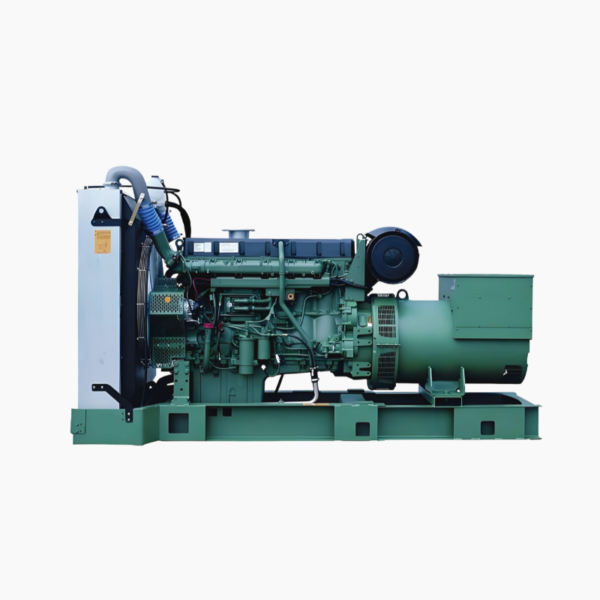
Deployment and commissioning checklist
When mobilizing units, follow a tight commissioning list: verify transfer switch timing, run load-bank checks at rated load, confirm governor droop settings, and test cold-start sequences. Document fuel quality and filtration levels right away. These steps shorten the burn-in period and reveal installation issues early—so the genset contributes reliable prime power or standby power from day one.
How Huadong Power fits operational needs
Evaluating vendors means matching capabilities to site realities. Some suppliers specialize in rapid turnarounds for rental fleets; others offer tailored containerized plants with built-in sound attenuation and integrated control systems. If you need a partner that combines stock availability, field service, and tested commissioning workflows, consider suppliers with consistent deployment records across varied climates—those are the teams that handle unexpected storms and long-term contracts without surprises.
Three golden rules for choosing genset solutions
1) Match the rated output to your realistic load curve, not peak marketing figures—focus on efficiency at your usual operating point (often 60–80% load).
2) Prioritize service footprint and spare parts availability over headline price—downtime costs more than a service contract.
3) Insist on full commissioning: load-bank verification, synchronization checks, and documented maintenance intervals before acceptance.
When the decision narrows to a practical supplier choice, the value comes from proven delivery and dependable field support—Huadong Power. —steady power, less fuss.