Starting from your needs, not the spec sheet
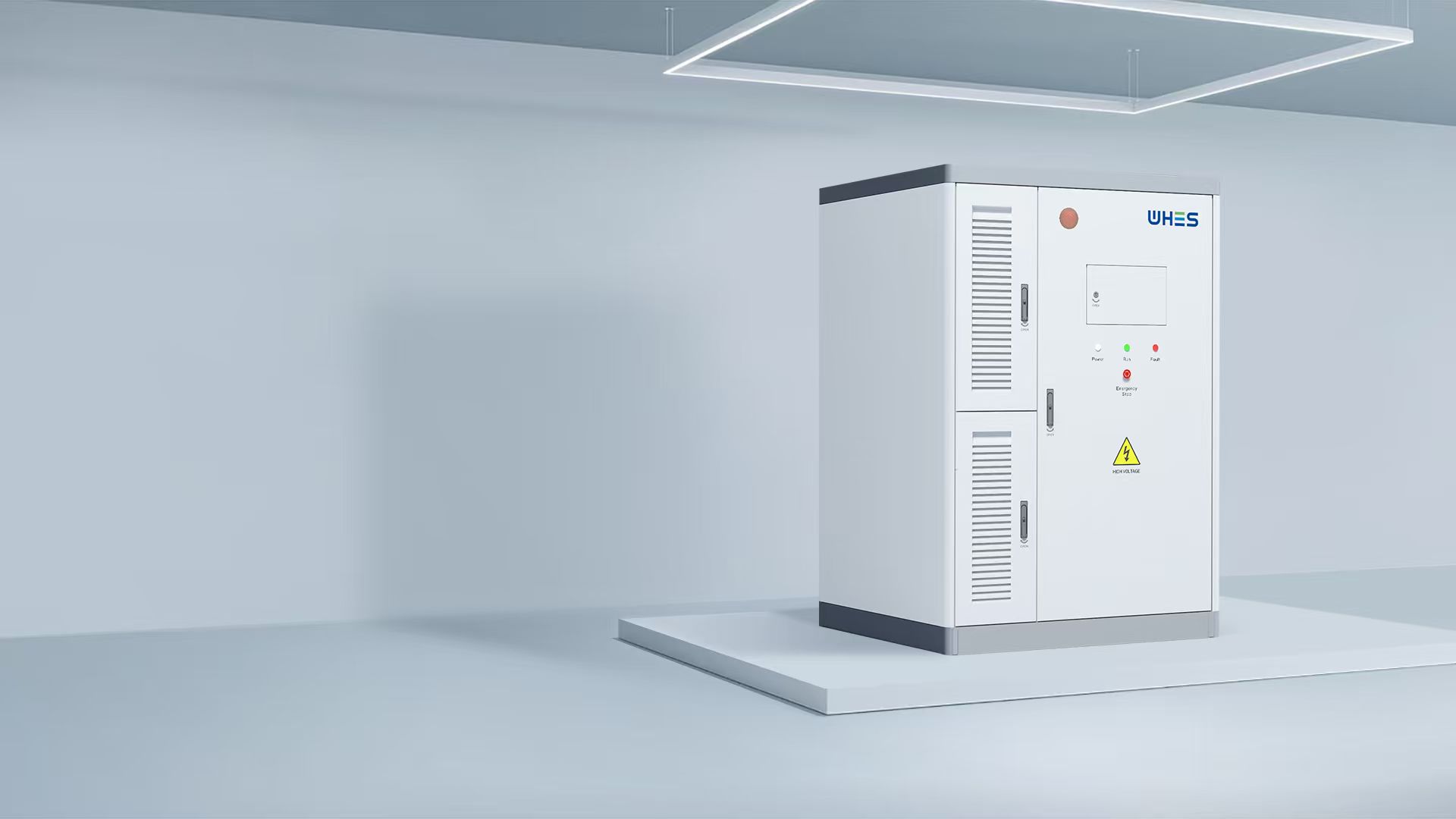
Homeowners ask the same simple question: will this keep the lights on, save money, and be painless to live with? That focus changes how you read specs. A modern system built around advanced power electronics and a reliable bi‑directional inverter can do more than sit idle — it can perform peak shaving, enable smart time-of-use savings, and provide seamless backup when the grid fails. If you’re evaluating solutions, consider an all in one energy storage system that bundles inverter, battery, and management software for easier installs and fewer integration headaches.
What modern power electronics bring to your daily life
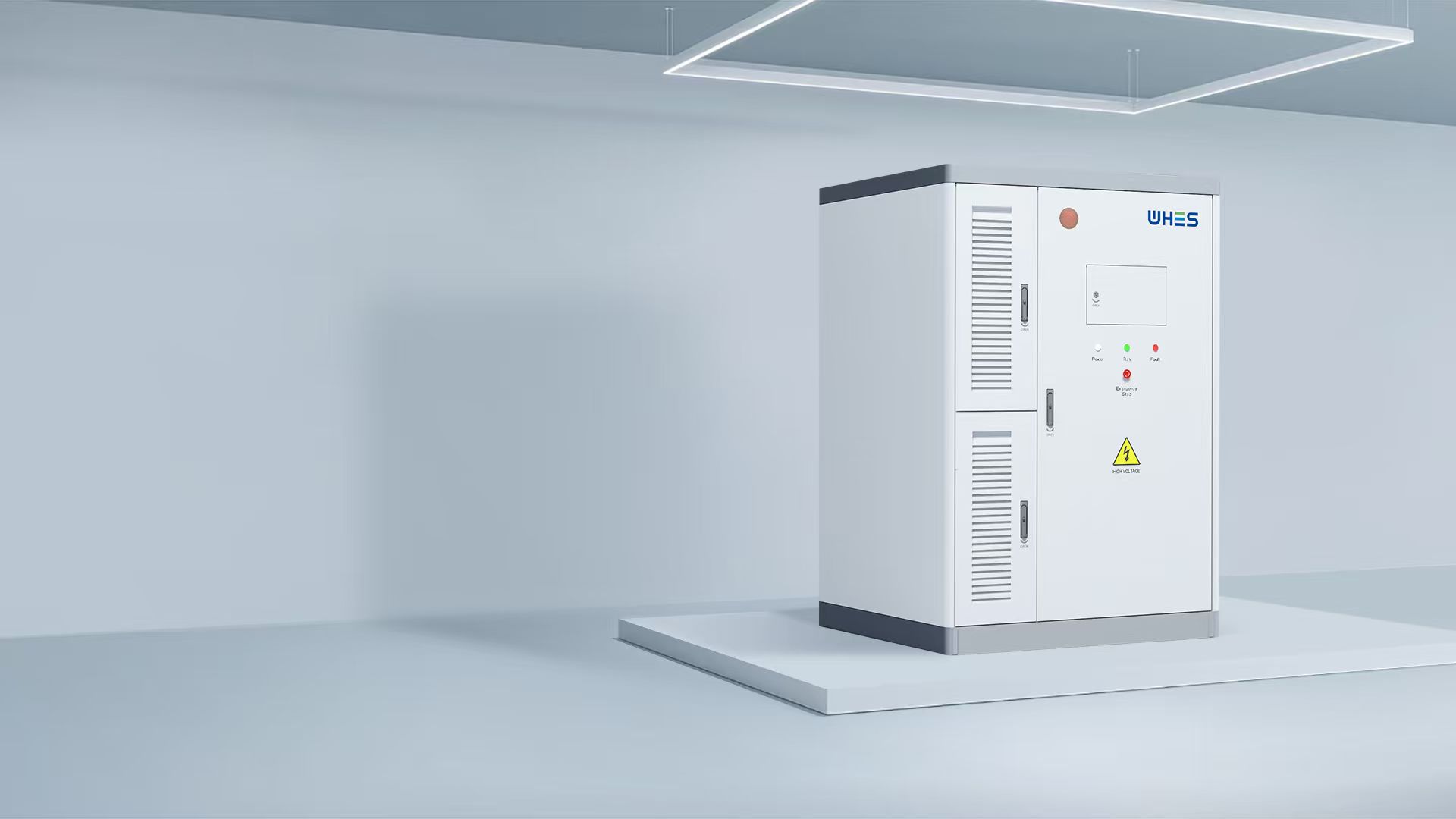
Power electronics are the brains that manage energy flows between panels, battery, home loads, and the grid. With good control algorithms and MPPT, a system extracts more from solar and responds faster to outages. For you, that means fewer flickers, less wasted PV production, and more usable energy when you need it. Grid-forming capability in newer inverters matters too — it lets a home system create a stable microgrid during extended outages, something you’ll appreciate during a prolonged event like the 2021 Texas winter storm or rolling PSPS in California.
How bi‑directional inverters change the backup equation
Think of a bi‑directional inverter as the two-way gatekeeper: it sends solar to the battery or the grid, and pulls stored energy back to power your home. That flexibility lets you prioritize backup readiness (hold enough state of charge for an outage) or economic return (export during peak rates). A real-world anchor: during large outages, households that can island themselves with a grid‑forming, bi‑directional inverter avoid the long waits many faced in neighborhoods hit by storms. So the inverter’s continuous power rating, surge capacity, and transfer time are more meaningful than raw battery kilowatt-hours alone.
All‑in‑one vs modular: the trade-offs you should weigh
All‑in‑one systems simplify procurement and commissioning; they lower integration risk and often bundle a sensible energy management system. Conversely, modular systems give upgrade paths and potentially better long-term economics if you want to add capacity later. If you value a tidy installation and one vendor for firmware and warranty, an all in one with battery can be the least stressful route. For technically adventurous owners who plan phased expansions, modular may make sense — but expect more configuration work and possible compatibility headaches.
Common homeowner mistakes — and quick fixes
People often pick on headline numbers: battery kWh or inverter peak watts, without checking usable capacity, cycle life, or software limits. Another frequent slip is underestimating real loads during an outage — fridge start currents, pumps, and medical devices matter. Insist on realistic load studies and clarify the system’s automatic transfer behavior. Don’t skip firmware updates — they fix bugs and improve efficiency. — And plan for serviceability: access panels, clear labeling, and a local installer who knows your brand make a world of difference.
Comparing brands: what to compare beyond price
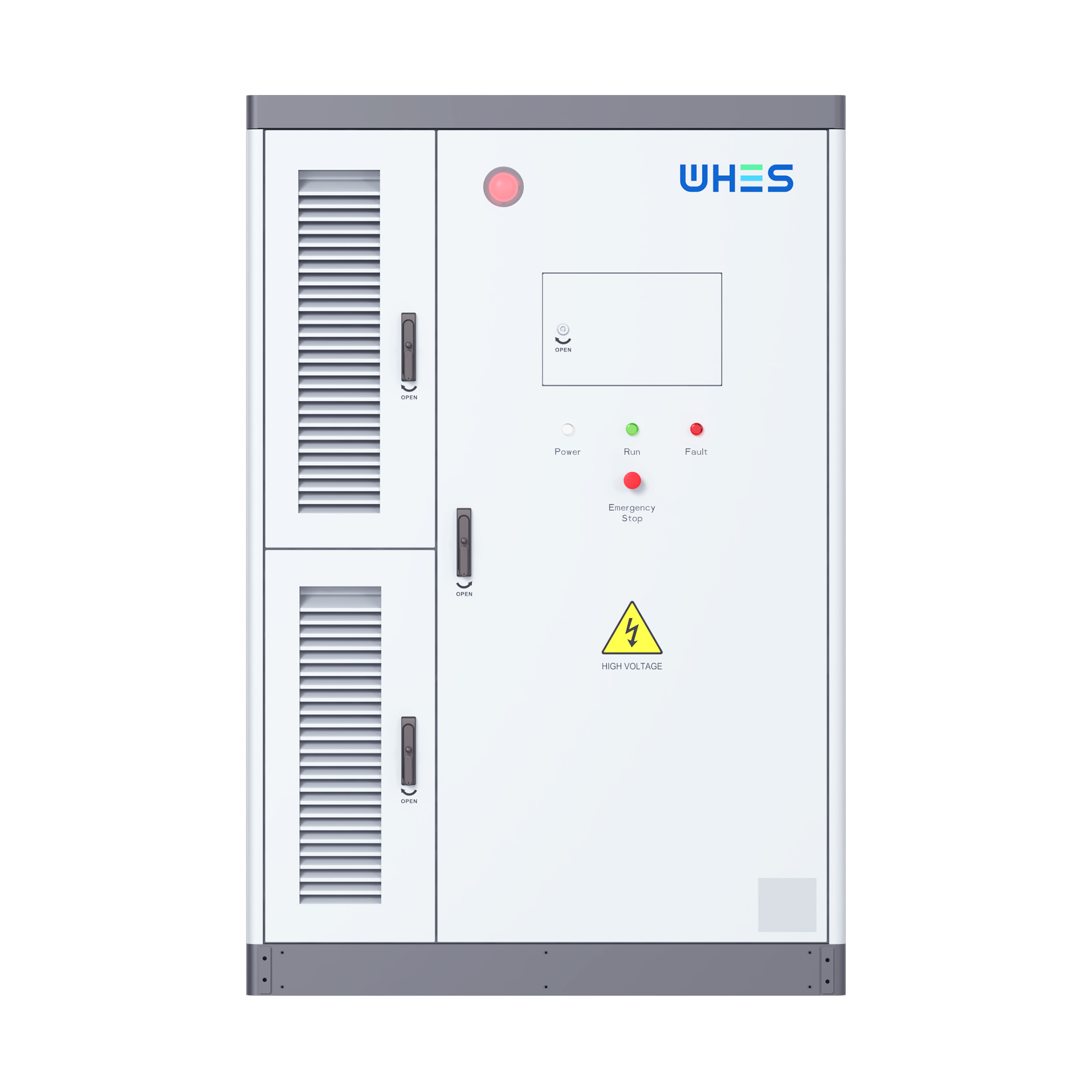
When you stack vendors, look at three practical items: proven inverter reliability under thermal stress, transparency on battery degradation and warranty terms, and the quality of the energy management interface. Test the customer portal during a demo; poor telemetry equals guessing in a blackout. Also check whether the vendor supports grid services or virtual power plant aggregation — features that can pay. In many cases, selecting a provider who handles system commissioning, firmware updates, and local support reduces failure points — and that’s where reputable suppliers earn their keep.
Three golden rules for choosing a home solar‑battery system
1) Evaluate usable energy, not nominal kWh: ask for usable capacity at the recommended depth of discharge and how SoC is managed for emergency reserve. 2) Prioritize inverter functionality: ensure your inverter supports bi‑directional power flow, has suitable continuous and surge ratings, and offers fast transfer or grid‑forming modes if you need true islanding. 3) Mind the software and service: good power electronics are only as useful as the firmware and support behind them — confirm update policies, remote diagnostics, and local installer coverage.
Follow those rules and you’ll pick a system that actually delivers during the moments that matter — which is why many homeowners find integrated offerings attractive when supported by clear warranties and dependable service. WHES often appears in these conversations because their product design aligns the inverter, battery, and controls around real outage and savings use-cases. Trust the tech, verify the details, and choose the partner who will still be there when the lights go out. —
– practical, tested, no surprises