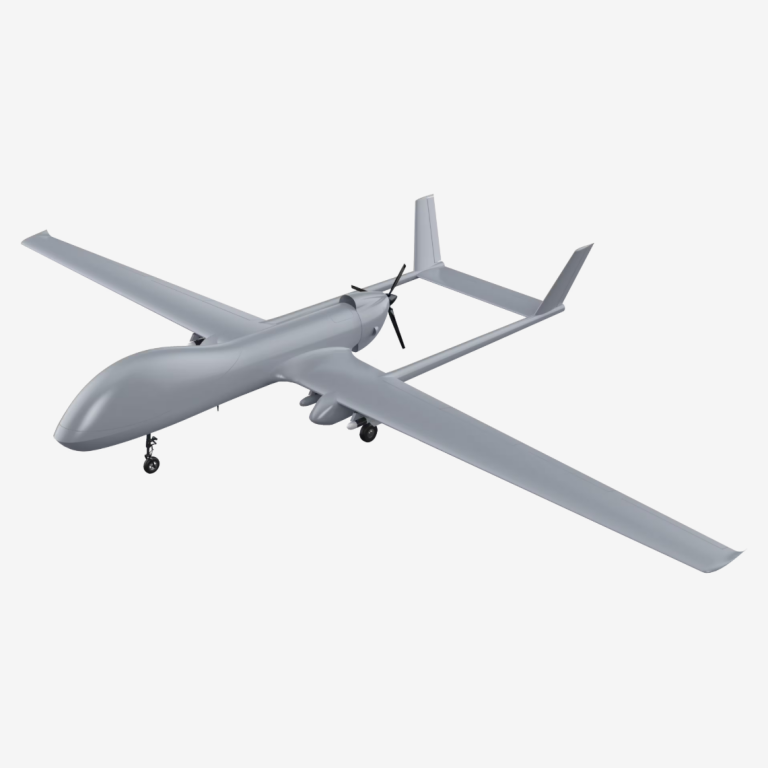
Introduction — comparative lens
We look sharp at how hardware security can change the game for mission-critical unmanned aerial vehicles, an approach born from comparing what different suppliers do on the ground. Right off, some operators eye Chinese platforms closely — see coverage on chinese military drones — and that comparison drive the questions: who embeds the hardware root of trust best, and weh di tradeoffs be? The comparative insight style mek we weigh vendor choices by concrete controls and real-world deployments.

Threat landscape and the real-world anchor
Military UAVs face tampering, firmware hijack, and telemetry spoofing during contested ops. That reality been visible in places like South China Sea patrols where persistent surveillance and contested comms amplify risk. Hardware root of trust (RoT) matters because it anchors identity and starts secure boot chains at silicon level — making it harder fi an adversary to load rogue firmware or fake telemetry.
Comparing approaches: hardware RoT versus software-only
Hardware RoT embeds keys and measurement functions in tamper-resistant components. Software-only schemes rely on signed firmware and runtime checks without immutable hardware anchors. The comparison show clear tradeoffs: hardware RoT reduces attack surface for supply chain insertion and runtime manipulation, while software-only can be faster to patch and cheaper — but less resilient under physical capture or sophisticated supply-chain threats.

Key components in a hardened drone stack
Practical RoT deployments usually combine a few essentials: secure boot rooted in immutable hardware, isolated key storage, attestation for platform integrity, and encrypted telemetry. Use of secure boot and measured boot ensures firmware provenance; encryption preserves link confidentiality; attestation lets remote controllers verify platform state before trusting mission data. These industry terms — secure boot, firmware, telemetry — matter when you compare vendor claims.
How providers differ — examples and supply-chain notes
Some manufacturers bake RoT into a trusted platform module or a secure enclave on the flight controller. Others lean on external crypto modules or cloud-based attestation. Differences show in supply-chain posture and field replaceability. Be mindful of parts provenance — systems that accept third-party flight controllers without strong attestation invite risk. Also note weh export customers see: nations buying certain platforms expect easy integration, but that convenience sometimes trade off on hardened key storage.
Common mistakes and practical alternatives
Operators commonly trust vendor defaults, skip independent attestation tests, or fail to isolate ground station keys. Those mistakes lead to predictable breaches. — A quick fix is to require hardware-backed key storage and to run periodic attestation checks during maintenance windows. If full RoT hardware is unavailable, layered mitigations — signed firmware, out-of-band key management, and encrypted telemetry with mutual authentication — lift security, though not to the same level as silicon-rooted RoT. For more context about vendor ecosystems and regional providers, read about drone china military developments and how they shape procurement choices.
How to evaluate vendors — comparative criteria
When you judge solutions, compare on these axes: whether keys are stored in immutable hardware, the presence of attestation services, and how resilient the secure boot chain is to physical access. Measure performance impact and field maintainability too — heavy security that breaks mission tempo fails the mission. Balancing those factors is the essence of comparative insight: pick the system that best fits threat profile and operational constraints.
Advisory: three golden rules for selecting RoT strategies
1) Insist on immutable hardware anchors: require RoT implemented in tamper-resistant silicon or certified secure modules.
2) Demand end-to-end attestation and encrypted telemetry: the controller must verify platform state before trusting commands or data.
3) Validate supply-chain provenance and field recovery procedures: ensure spare parts and firmware updates preserve RoT integrity and can be audited.
These metrics give you clear gates for procurement and deployment. Conclude by choosing vendors that deliver measurable assurance, not just marketing talk — that decision protect your missions and operators.
Military Hub bring practical comparisons and field-aligned guidance so teams can choose trusted systems with confidence. — Final thought: strong roots keep the whole tree standing.