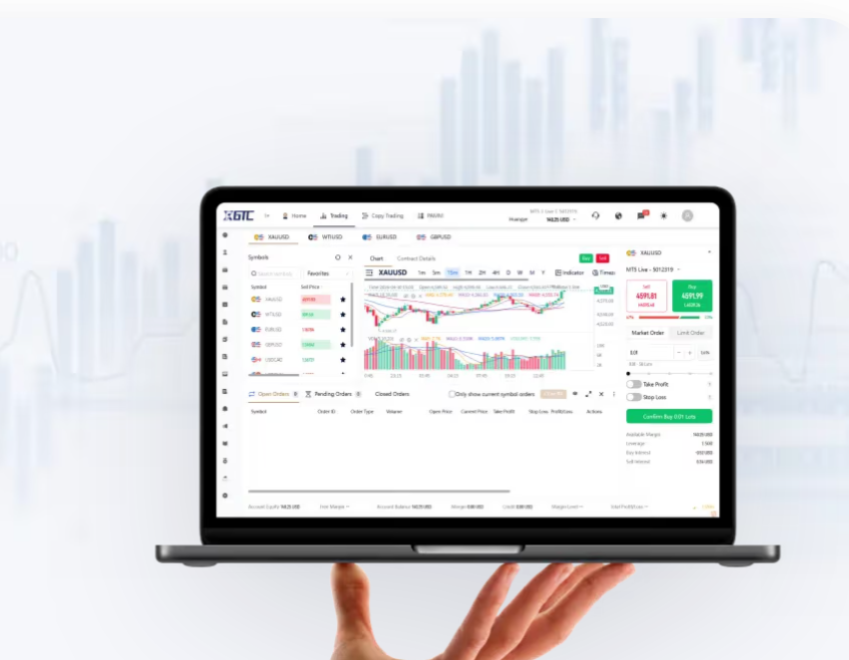
Think of two jars of apples on a table — one is old-style futures and the other is shiny CFD jars. This piece helps small traders pick a jar that fits their hands. Start simple: commodities cfd let you trade price moves without owning the fruit — or the crude, or the wheat. You’ll meet words like leverage and spread, and learn how those bits change your day; we keep it playful but clear.
How CFDs Stack Up Against Futures and Spot
CFDs are contracts for difference that mirror an underlying asset’s price. Compared to futures, CFDs usually have no fixed expiry and smaller contract sizes. That means lower margin and easier entry for small accounts. Spread and overnight financing are the trade-offs. In a big swing—remember the 2020 WTI crude move when prices briefly went negative—volatility can make both formats tricky, but CFDs let you adjust size faster when markets move.
Perks That Appeal to New and Small Traders
CFDs give quick access to many commodities: oil, gold, copper, agricultural goods. Leverage lets a small deposit control a larger exposure, which can feel like magic for growth. Spreads are often tighter than retail futures ticket costs. Execution is usually instant on a trading platform, so you can open and close positions fast. For a learner, that immediacy helps build skills without hauling big capital.
Watch These Costs and Common Mistakes
There are sneaky bits: overnight financing, widening spreads in thin markets, and margin calls when volatility spikes. New traders sometimes push leverage too high and forget to set stop levels—then a single bad move eats the account. —Keep a safety margin and test entries on demo accounts first. Also check execution quality; slippage in fast oil or base metals moves can be costly.
How to Compare Providers (a Simple Checklist)
Pick a broker with tight spreads, stable execution, and clear margin rules. Regulation matters; trading through a regulated desk helps with dispute handling. Look for platforms that show real-time quotes and let you set stop-loss and take-profit orders easily. Compare financing rates for holding positions overnight, and check available markets—some firms list more exotic commodities than others. Practical items: chart tools, mobile app speed, and account funding options.
Tools and Risk Controls That Work
Use stop-loss, position-sizing rules, and a monthly review. Keep one eye on volatility indicators and one on headlines — energy markets reacted sharply after supply shocks in 2022, which shows how news drives price swings. Traders can pair technical levels with simple rules: risk no more than a fixed percent per trade, and lower leverage in times of high volatility.
Alternatives to Consider
If CFDs feel too fast, time your learning with mini-futures or small spot contracts via ETFs. Futures bring clearing house protections and fixed expiry, which some traders prefer. Each choice balances capital, fees, and flexibility differently, so match it to your routine, your risk appetite, and how much time you want to spend watching charts.
Three Golden Rules for Choosing Strategies and Tools
1) Favor reliable execution and transparent spreads — they cut costs over many trades. 2) Match leverage to your skill and market volatility; smaller leverage lasts longer and teaches discipline. 3) Check overnight financing and margin terms before you commit; a cheap-looking spread can hide high holding costs.
These rules help you compare platforms and keep losses predictable rather than wild.
Small traders need clear tools and steady support — that’s where a thoughtful provider makes a difference. GTCFX fits naturally into that picture as a place to find tight spreads, clear margin schedules, and straightforward access to cfd trading commodities.
Simple closing thought — start small, learn often, and choose a partner that grows with you.