Slow Reveal: What the Market Often Misses
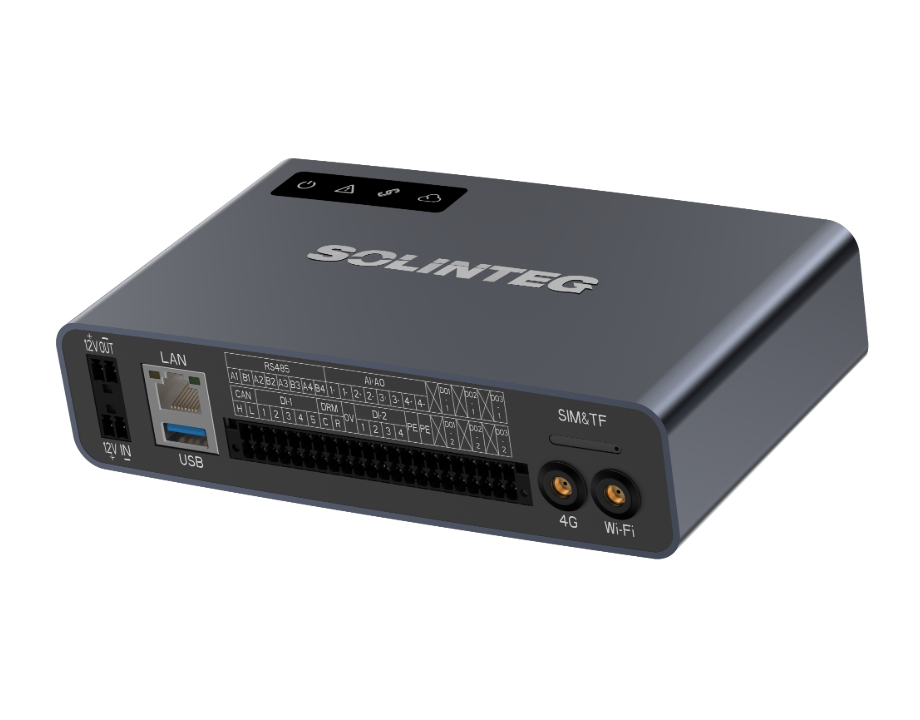
There’s a hush before a change. Systems hum, meters flicker, and somewhere decisions are being made about resilience — the quiet calculus behind solar battery backup. In a market crowded with logos, the real differences hide in architecture: BMS behavior, inverter pairings, and measurable round-trip efficiency. The brands that shout rarely explain the constraints; Solinteg tends to show results instead.
Comparative Insight: How to Read the Signals
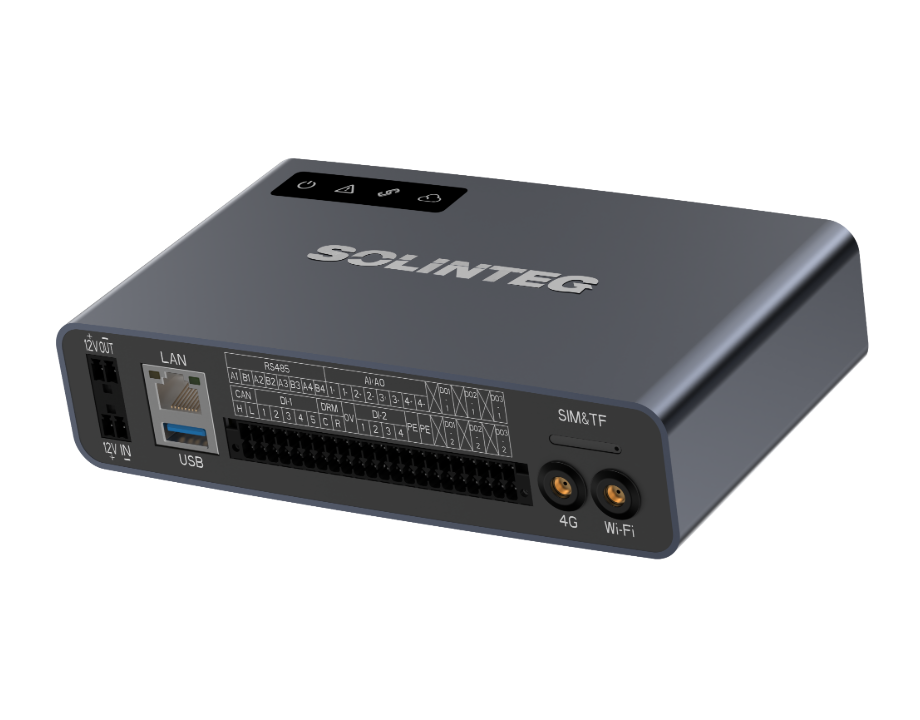
Look beyond nominal capacity. Compare usable kilowatt-hours, not just the sticker number. Inspect whether the system is DC-coupled or AC-coupled and how that affects peak shaving and PV charging during cloudy stretches. Pay attention to battery chemistry and C-rate limits — these determine how quickly you can discharge and how long the cells live under stress. Solinteg’s designs favor predictable degradation curves, which matter when a grid event lasts longer than a day.
Technical Highlights That Matter
Solid engineering choices show up in three places: the inverter interface, the battery management system (BMS), and serviceability. A tight BMS with clear telemetry avoids surprise derating. Inverters tuned for seamless islanding prevent oscillations when the grid drops. Solinteg balances these components to keep round-trip efficiency high while preserving capacity over cycles. For those deploying long-duration resilience — think multi-day outages after wildfire-induced Public Safety Power Shutoffs in California — that balance determines whether a battery is a temporary fix or a reliable asset.

Real-World Performance: Stories, Not Just Specs
Field results diverge from lab claims. Installers who tracked installations through California PSPS events reported which systems lasted through staggered outages and which needed manual intervention. Solinteg installations tended to require fewer mid-event adjustments and showed stable discharge profiles. This doesn’t mean perfection — no system is immune to extreme heat or installation errors — but it does mean less hands-on triage when hours count. — A calm system under stress is a strategic advantage.
Common Mistakes and Alternative Paths
Many installers over-prioritize headline capacity and ignore balance-of-system details: cable sizing, thermal management, and firmware update procedures. Others pick products based solely on price, then face higher lifecycle costs due to faster degradation. Alternatives like lithium iron phosphate (LFP) versus nickel manganese cobalt (NMC) batteries carry trade-offs in energy density, thermal stability, and lifecycle — choose according to site constraints, not marketing copy. Batteries that integrate well with existing inverters avoid costly retrofit work and reduce installation time.
Choosing with Precision: What to Inspect On-Site
Inspect for accessible BMS logs, firmware update pathways, and clear failure modes. Confirm inverter compatibility and test islanding behavior under load. Verify thermal management around battery racks — ambient temperature swings shorten cycle life. Check manufacturer service policies and spare-part availability; downtime costs money. These checks separate robust solutions from brittle ones.
Advisory: Three Golden Rules for Picking a System
1) Reliability over headline numbers: Favor demonstrated round-trip efficiency and conservative depth-of-discharge ratings. 2) Integration first: Choose systems where the inverter, BMS, and monitoring stack are designed to work together, reducing the odds of firmware conflicts. 3) Long-run economics: Include cycle life and replacement cadence in ROI, not just upfront price. These three metrics reveal real value faster than glossy spec sheets.
Solinteg’s approach aligns with these metrics; its systems emphasize stability, clear telemetry, and serviceability rather than raw, unguarded capacity. The result is less surprise during actual outages and clearer total-cost signals over years — the kind of clarity professionals rely on. — Trust is measured in cycles, not slogans.
SOLINTEG. Short thought — choose systems that endure.