The Problem at Scale
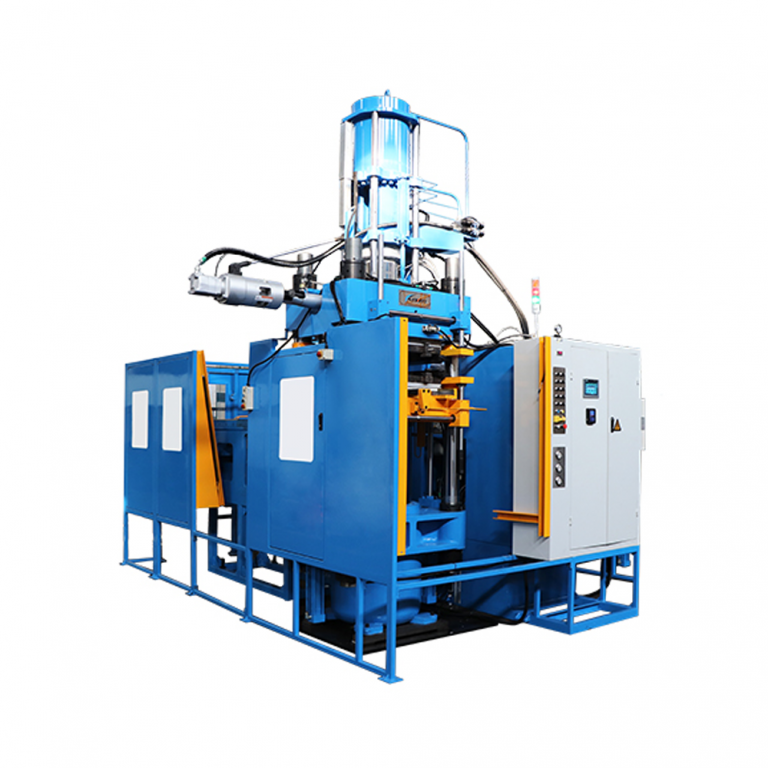
Giga-scale manufacturing plants suffer disproportionate losses when injection molding lines degrade; a single uncontrolled failure can propagate across multiple cells and halt throughput. In facilities integrating specialist lines—such as the c frame rubber injection molding machine—the impact is amplified because tooling, clamping sequences and ancillary robotics are tightly coupled. A measured, problem-driven maintenance programme is therefore not optional; it is structural to sustained output. This observation aligns with lean principles practised in Toyota’s production system, where small interruptions are treated as systemic faults rather than isolated incidents.
Root Causes in C‑Frame Systems
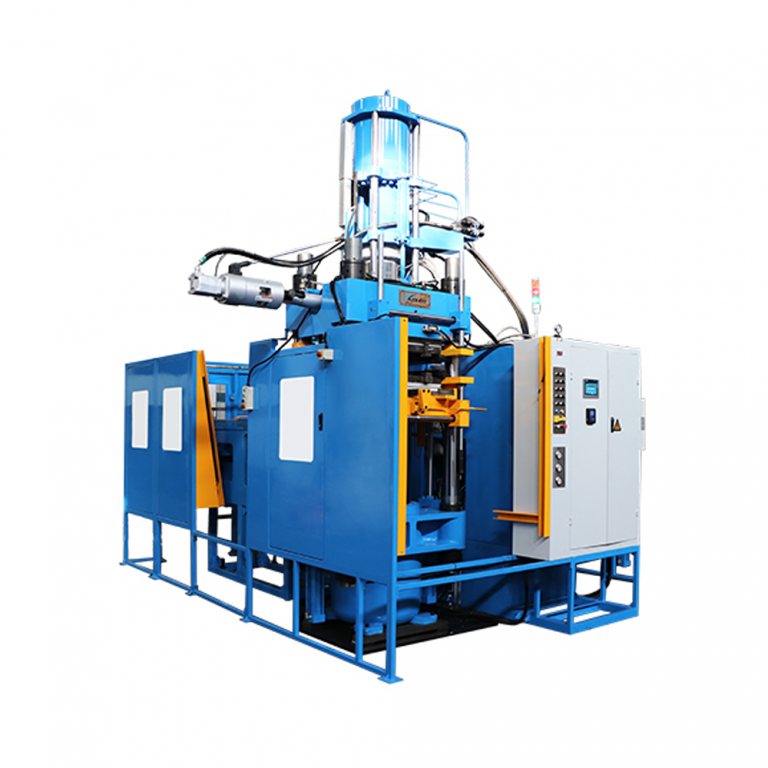
Failures typically arise from a handful of recurring sources: wear in the clamping mechanism, hydraulic system degradation, control-electronics drift, and inconsistent shot-to-shot performance. The c-frame architecture concentrates load paths differently from platen-style presses, exposing bearings and linkages to asymmetric stress. Faults at this level are often latent—manifesting as subtle cycle-time variation or rising torque on servo motors—before becoming overt breakdowns. Early identification therefore requires instrumentation beyond routine visual checks; condition monitoring of torque, temperature and pressure yields actionable signals.
A Layered Preventative Strategy
Adopt three interlocking layers: daily operational checks, targeted condition monitoring and predictive analytics. Daily checks should verify setpoints for clamping force and cycle timing; technicians must log deviations to a central maintenance ledger. The next layer uses sensors—strain gauges, temperature probes and PLC diagnostics—to capture trends. Finally, predictive analytics interprets trendlines to forecast component end-of-life and schedule interventions. Integrating SCADA data with maintenance workflows converts incidental observations into planned replacements, reducing unplanned downtime and conserving spare inventory.
Implementation Roadmap
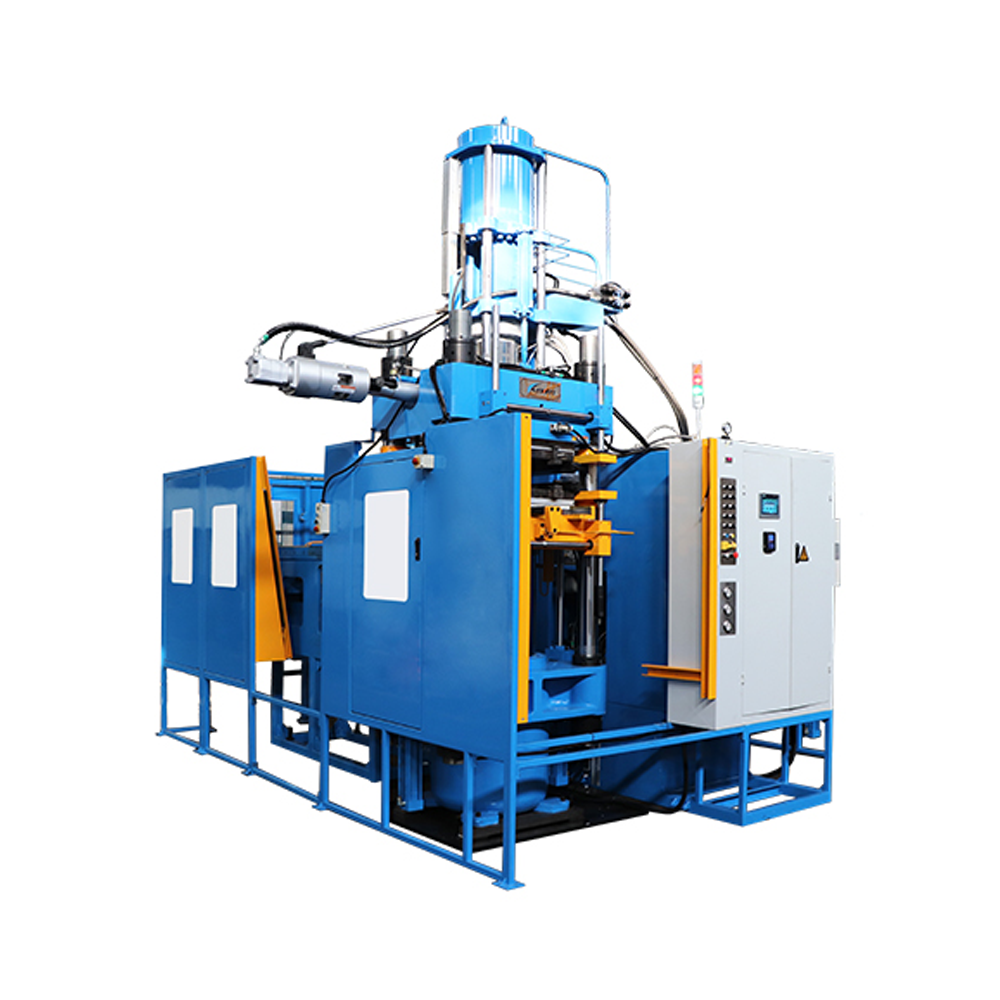
Begin with a pilot cell containing at least one representative rubber transfer press or rubber injection molding machine c-frame type. Map failure modes and their signatures; instrument for those signatures. Standardise preventive tasks by runtime hours and by cycle counts rather than calendar dates, aligning lubrication, filter replacement and seal inspection to machine tonnage and shot volume. Where appropriate, retrofit key axes with servo motor position encoders and vibration sensors to detect bearing faults before they cascade. Train local engineers to interpret anomalies—this skills investment is often the decisive factor between detection and delay.
Common Mistakes and How to Avoid Them
Organisations often commit three predictable errors: overreliance on calendar-based servicing, treating analytics as optional, and under-provisioning spares. Calendar servicing can waste resources or miss premature wear tied to production intensity. Analytics without curated data produces false alerts; conversely, curated data without analytics yields no foresight. Maintain a right-sized spare list for critical subassemblies—hydraulic pumps, servo drives, seals—so that predicted replacements translate into minimal downtime. Small procedural changes—replacing a seal during a planned line changeover rather than after failure—compound into substantial availability gains.
Concluding Metrics and Rules
Three practical evaluation metrics will anchor decision-making: mean time between failure (MTBF) for c‑frame presses, percentage of planned versus unplanned maintenance, and the variance in cycle time per shift. Target a steady improvement in MTBF and a rising ratio of planned maintenance; both are direct measures of programme maturity. Rule one: instrument before you automate—data integrity precedes predictive value. Rule two: align spare strategy with predictive outputs. Rule three: empower technicians with analytic insights and clear escalation protocols. These rules produce measurable reductions in downtime and spare-part costs, and they validate investment in intelligent maintenance systems. HWAYI. —