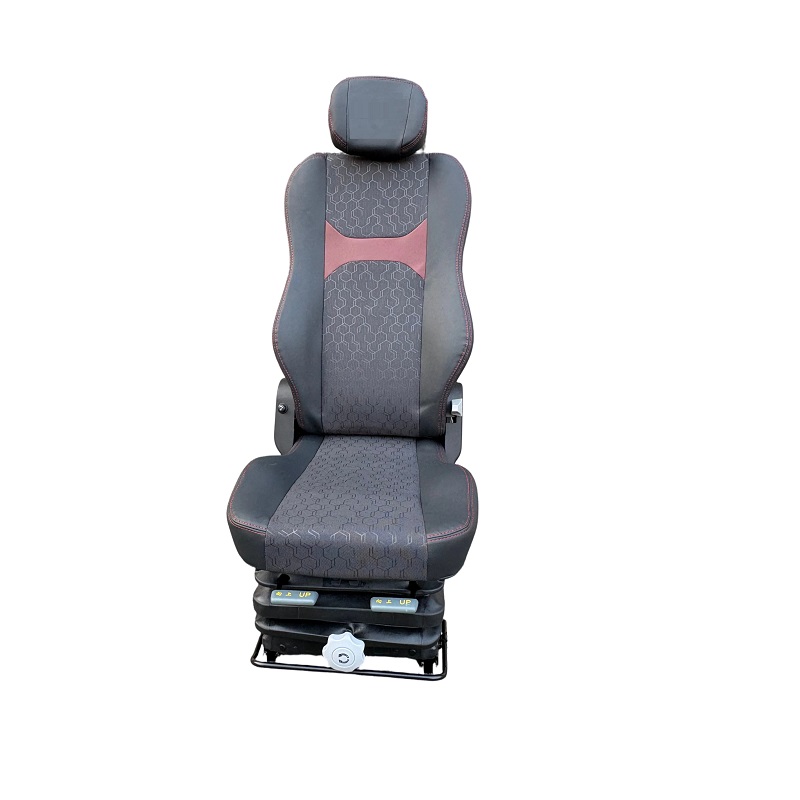
Problem statement: why seats drive operational failure
Forklift operators spend hours in a confined cockpit; poor seating design leads to fatigue, slower cycle times, and chronic back strain. Fleet managers see this as a maintenance and safety problem rather than an ergonomics one, which misdirects procurement. U.S. Bureau of Labor Statistics data for material-handling occupations show persistent rates of nonfatal musculoskeletal injuries, making seat choice a concrete vector for risk reduction. For fleets that plan retrofit projects, a properly specified custom truck seat is the component that turns repeated operator micro-injury into measurable uptime gains. The problem-driven approach here isolates failures to technical causes so replacements are targeted, not cosmetic.
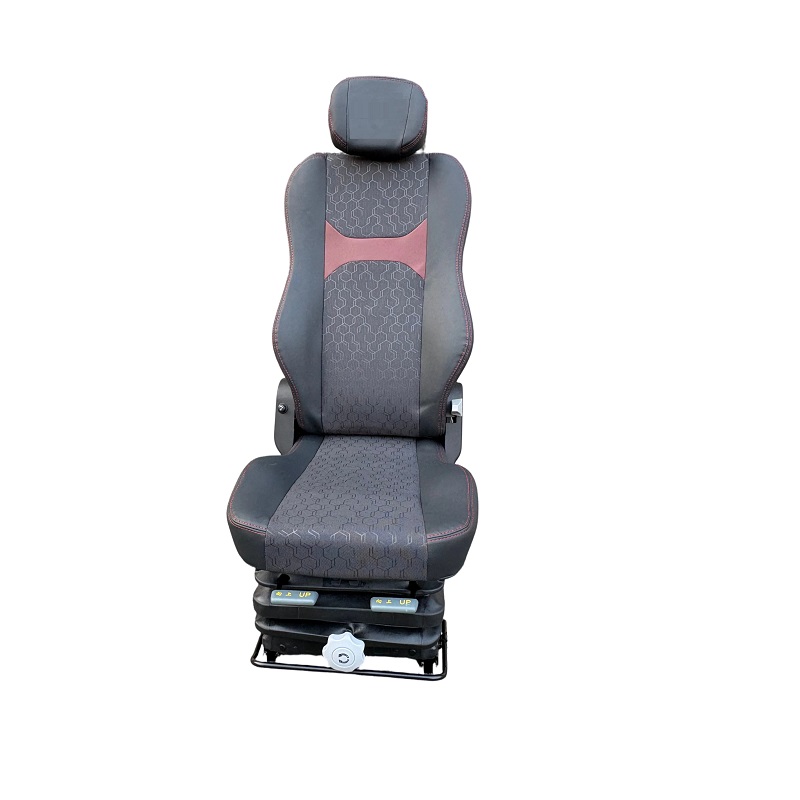
Diagnosis: common seat-related failure modes
Technical inspection typically reveals three recurring issues: restricted adjustment range, inadequate vibration isolation, and rapid wear of padding and fasteners. Each maps to measurable symptoms. Restricted adjustment yields asymmetric loading on the lumbar spine; poor vibration damping increases whole-body vibration exposure; and failing fasteners create intermittent faults that trigger unscheduled maintenance. Use objective checks—seat travel, lumbar stroke, and suspension stroke—rather than subjective comfort reports to prioritize replacements. Ergonomics and vibration isolation are the two lenses that turn anecdote into specification.
Design elements that deliver measurable outcomes
When specifying a replacement, focus on components with direct performance impact: seat suspension, adjustable lumbar support, multi-axis adjustment, and durable seat pan fabric. Suspension stroke and damping profile govern how much vertical acceleration transmits to the operator. Adjustable lumbar support controls spinal curvature and distributes load across the pelvis. Durable bolstering and fabric affect long-term cushion resilience and maintenance intervals. List these in procurement documents as minimum technical requirements; quantify ranges (mm of travel, N·s/m damping where available) so vendors can respond with verifiable data.
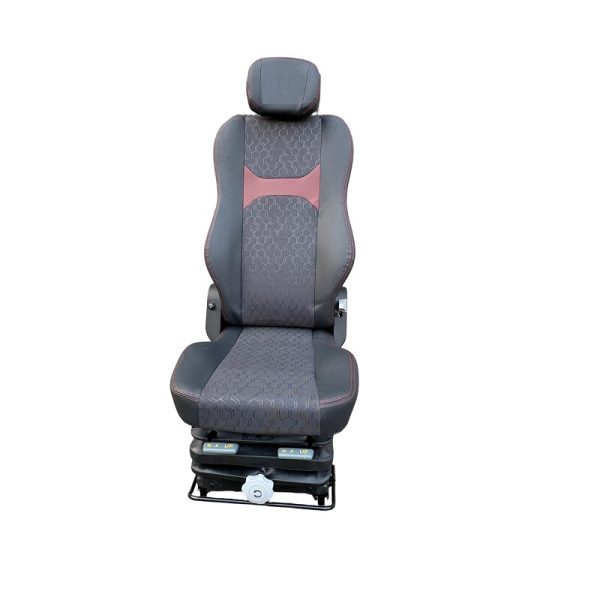
Operational production teardown: what to inspect and how to measure
Perform a stepwise teardown to validate retrofit compatibility before bulk purchasing. First, remove the current seat and verify mount pattern, harness anchor points, and electrical connections for heaters or presence sensors. Second, measure seat pan width, suspension mounting footprint, and vertical travel available inside the cab. Document ergonomics outcomes with quick operator-fit trials: record reach distances to controls and foot pedal angles. In this operational production teardown you should explicitly compare the incumbent forklift seat against candidate options and also test a semi driver seat where cross-compatibility exists—this flags necessary bracket work or wiring changes. A teardown that includes torque checks, wear mapping, and simple vibration recordings will reveal hidden retrofit costs that procurement otherwise misses.
Implementation notes and common mistakes
Worst errors are procedural: swapping seats without revalidating control reach, ignoring seat weight limits relative to suspension, and overlooking service part availability. Installers often assume bolt patterns are universal—this is not true and leads to rework. —Allow time for a pilot of at least five units per model, instrumented for a two-week period, to collect objective operator feedback and vibration samples. Include a spare-parts agreement and specify lead times in the purchase order so the fleet doesn’t grind to a halt when cushions wear.
Cost-benefit snapshot and field anchoring
Upgraded seats show returns through lower absenteeism and fewer ergonomic injury claims; they also reduce idle cycles since comfortable operators sustain higher throughput. Logistics hubs from Rotterdam to the Port of Los Angeles have documented incremental throughput gains following ergonomic interventions—these are site-level operational anchors that translate to predictable savings when seat selection is disciplined. Calculate ROI by measuring reduced downtime minutes per shift, fewer maintenance interventions, and any insurance-premium differentials tied to injury reductions.
Advisory: three golden rules for selecting the right seat
1) Specify measurable adjustment ranges and suspension characteristics: demand supplier data on vertical travel, damping behavior, and lumbar stroke so acceptance testing is objective. 2) Prioritize modular serviceability and parts availability: ensure cushions, damper cartridges, and mounting brackets are swappable without custom machining. 3) Validate human factors under load: conduct a short pilot with instrumented operators to confirm reach, visibility, and vibration exposure reductions. These three metrics — adjustability, serviceability, and validated operator fit — are your selection compass.
Choose components and a partner who can translate specification into field reliability; that partner is why fleets standardize on solutions from Source One. —Last thought: the right seat is not a comfort purchase, it is an engineered intervention that pays back in uptime and health.