Start with what you need
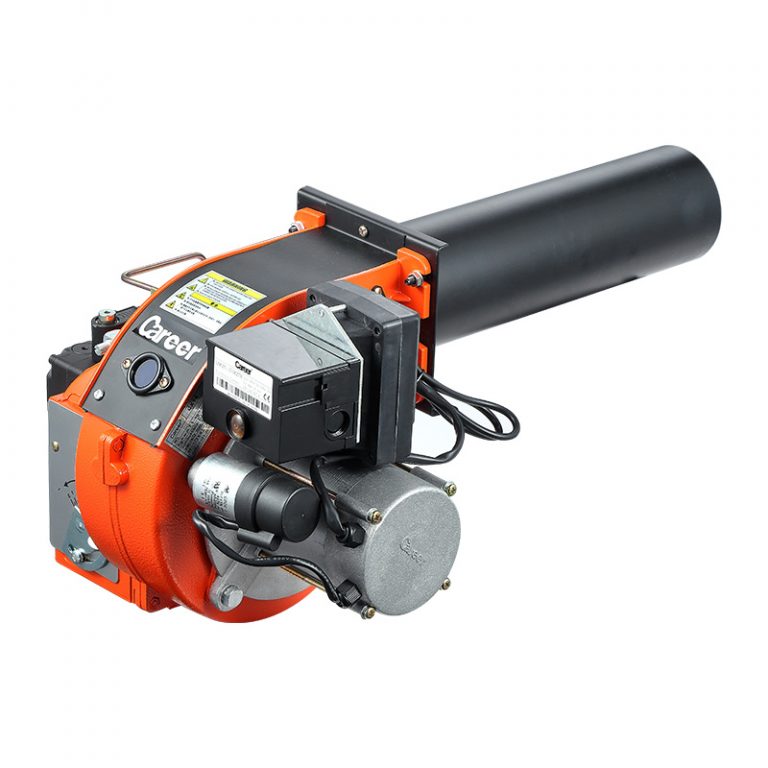
If you run a small plant or manage several process lines, the first question is simple: what heat profile do you actually need today and next year? Think in terms of continuous load, peak load, and seasonal variation. For many operators a reliable diesel fuel burner covers wide operating windows without complex fuel logistics, especially where gas supply is intermittent. In São Paulo industrial belt facilities I’ve seen this choice keep production stable through grid and pipeline interruptions, so plan for real operating interruptions, not ideal conditions.
Decide by duty cycle, not brand hype
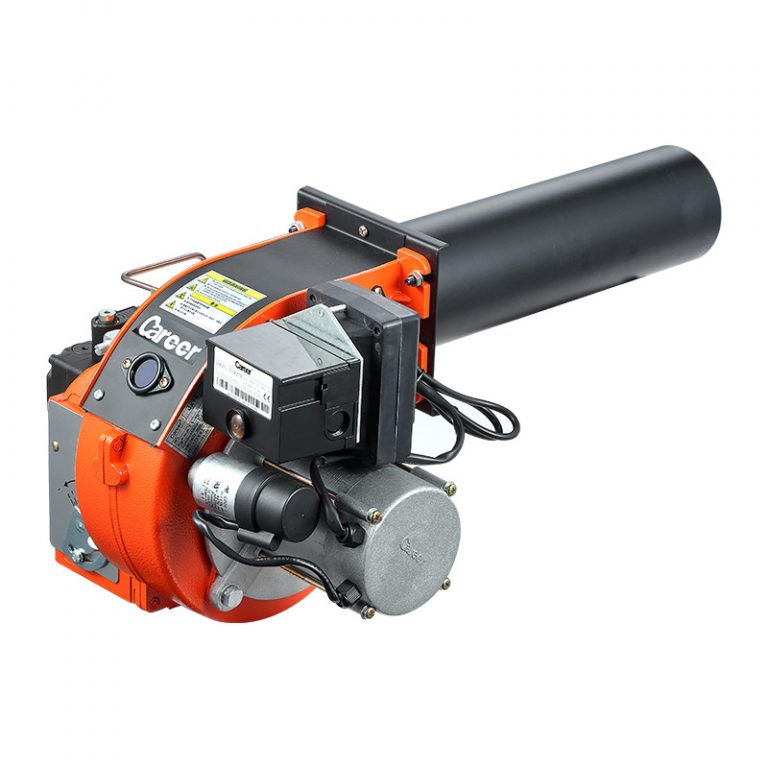
Match burner type to how often and how hard it will run. Continuous processes need robust combustion control and turndown; batch operations tolerate slower start/shutdown cycles. Don’t buy the fanciest controller when simple proportional control will meet your duty cycle. Look for units with clear service access, modular parts, and a control interface your technicians already know.

Sizing for scale: over-sizing hides problems
Oversized burners lead to short-cycling, higher emissions, and wasted fuel. Calculate heat demand per hour and add a conservative growth margin — 10–20% for predictable expansion, not 50% for “maybe we’ll add a line.” If you anticipate rapid scale-up, choose a modular burner or a banked arrangement where you add identical units rather than one giant unit. That keeps spare parts common and commissioning straightforward.
Typical mistakes operators make
They pick by headline capacity instead of system integration. They ignore flue-gas recirculation needs and then struggle with NOx limits. They assume every burner will work on low-quality diesel; some models need filtration upgrades or preheating. They skimp on draft control and then wonder why flame stability falters. Fixing these means checking fuel quality, drafting, control strategy, and access before the purchase order leaves the desk.
Installation and maintenance that actually extend life
Install fast-access panels, clear fuel lines of contaminants, and set a simple PM schedule: visual flame check, nozzle swap interval based on hours, actuator lubrication, and control calibration twice a year. Train one technician to own the burner family — consistent hands reduce downtime. Keep one spare nozzle set and an actuator in stock; replacements arrive faster than an emergency engineer on a weekend.
Alternatives and where they make sense
If emissions limits are a primary constraint, low-NOx burners or fuel switching (to natural gas where reliably available) are sensible. For distributed sites with small loads, electric heating can be cleaner operationally but often costs more for continuous high-temperature runs. Evaluate lifecycle fuel cost, emissions obligations, and maintenance skills on site rather than defaulting to trendier options.
Bringing it together
Start from your duty cycle, choose a unit sized for realistic growth, avoid short-cycling, and protect uptime with straightforward maintenance. A practical selection path and parts strategy save more than chasing peak capacity. When you want consistent supply, sensible controls, and accessible spares, companies like Career Burners fit naturally into operational plans without adding complexity.