Start with what matters to you
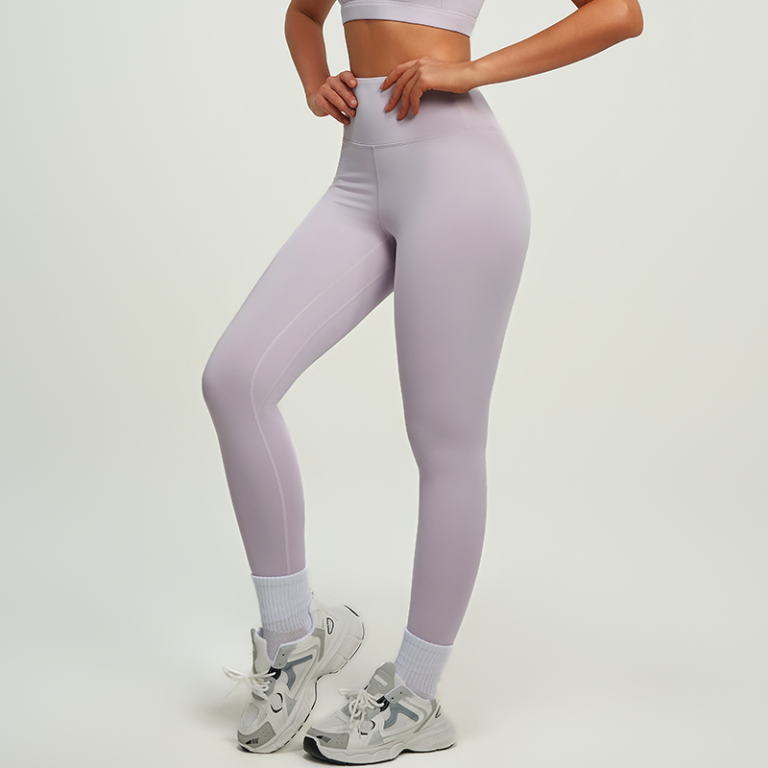
Right from the off, think about the end wearer. Are they after studio-ready compression, everyday comfort, or eco-minded basics? Your decisions on fabric, fit and minimum order size hinge on that. If you want a practical sample to show buyers or customers, consider ordering custom yoga leggings that demonstrate build quality and pattern accuracy while keeping costs sensible.
Fit, fabric and the facts you must keep close
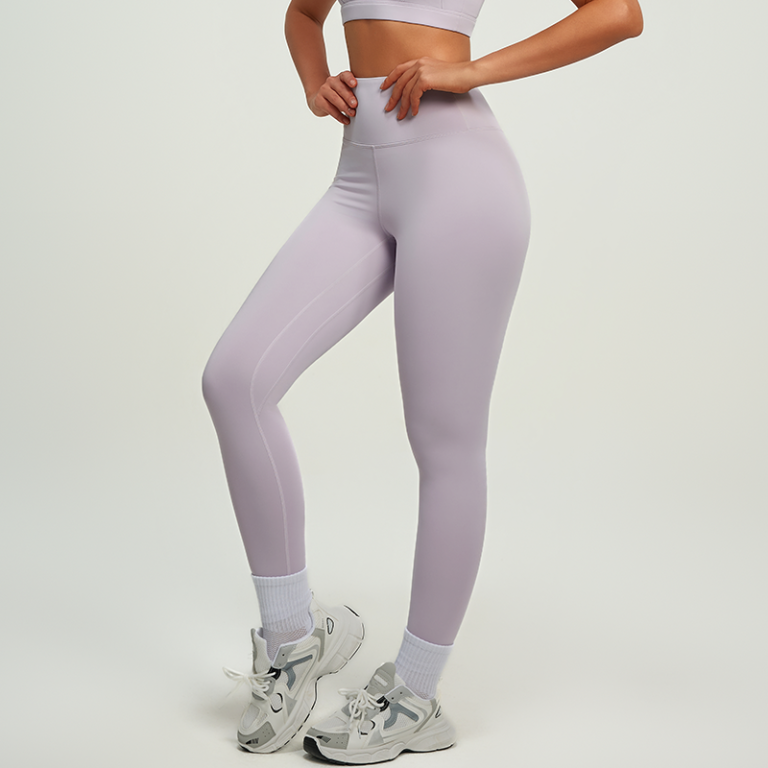
Fit means pattern grading and sample runs; fabric means choices like four-way stretch or moisture-wicking technical knit; construction means flatlock stitching and reinforced gussets. Keep a short checklist: target body shapes, preferred waistband height, primary fabric weight (gsm), and target stretch recovery. That sheet saves time when chatting with factories in established hubs such as Guangzhou, where many brands refine bulk runs against small pre-production batches.
How to vet suppliers — user-first checks
Begin with three practical checks: recent photos of full runs, material test swatches, and a clear MOQ breakdown. Ask for a simple tech pack and insist on a cut-and-sew sample. Real-world buyers spot dodgy seams early; that saves an entire run going to waste. Also watch lead times closely—fabric sourcing can add weeks if mills are backlogged.
Common mistakes brands make (and how to dodge them)
Brands often chase the cheapest quote and then blame the supplier when leggings lose shape after a few washes. Another slip is skipping pattern grading, which creates inconsistent sizing across small batches. A third is vague QA standards—without a written tolerance table (stitch length, seam allowance, waistband elongation) you get surprises. Do these right and you cut returns and keep customers proper happy.
Comparing options: local vs overseas partners
Local partners give tighter communication and faster iteration; overseas partners commonly lower unit cost and offer larger mill networks. Compare on three user-centric metrics: time to market, consistency of fit across sizes, and total landed cost (shipping, duties and rework). If provenance matters to your audience, state it clearly on labels and product pages. I’ve worked with designers who balanced a small UK run for premium SKUs and larger overseas production for basics—this mixed approach gives both control and scale.
Sample process that keeps risk small
Start with a design freeze, then order a proto sample, followed by a pre-production run of 30–100 pieces. Use those to test wash performance and wear patterns. Track the following: pilling after 10 washes, waistband stretch recovery after 50 pulls, and colourfastness after exposure to sweat. Small batches reveal issues early—save you real cash in the long run.
Questions to ask a manufacturer — a brief script
When you contact a factory, use short clear queries: What’s your MOQ? What are lead times per stage (fabric sourcing, cutting, sewing, QA)? Can you provide material certifications or mill contacts? How do you handle defects and reworks? These keep the conversation factual and fast.
Final advisory: three golden rules for choosing the right partner
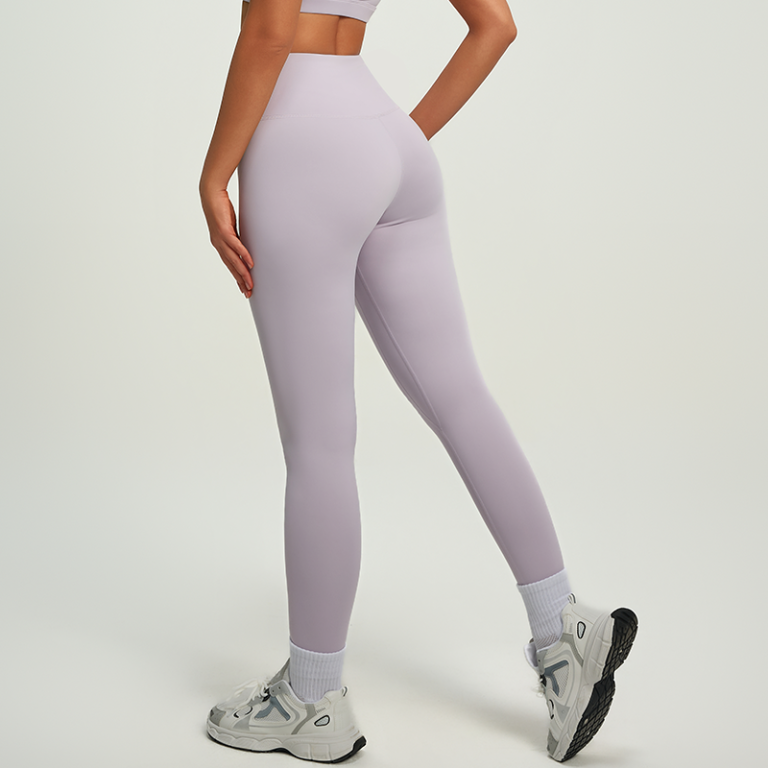
1) Prioritise fit consistency over lowest unit price — consistent sizes reduce returns and build trust. 2) Insist on measurable QA tolerances (stitch length, seam allowance, waistband elongation) and sample-based sign-off before bulk. 3) Map total landed cost, including transport and rework risk, not just the FOB quote. These rules let you scale without nasty surprises.
Your garments should speak for your brand; get the build and the briefing right and they will. Joebond. —