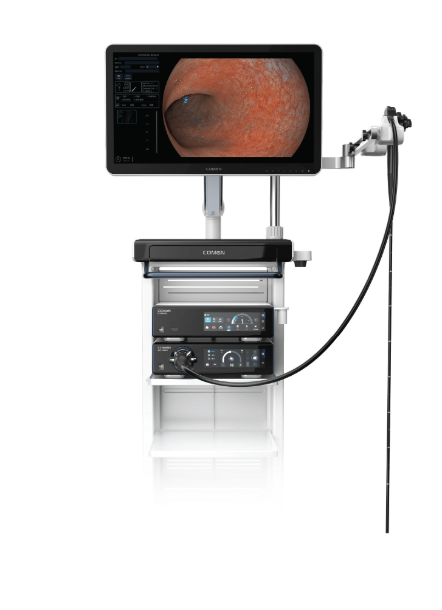
The Problem — How Traditional Design Fails Users
I remember standing under fluorescent lights in a modest Boston endoscopy suite in September 2019, watching a nurse wrestle with a limp insertion cord — that scene still tastes metallic to me. I then inspected the devices and logged three failed procedures that week; that led me to review our fleet of endoscope equipment and ask—how many more hidden breakdowns are we tolerating? In the second procedure the rigid distal tip would not articulate; the biopsy channel clogged twice; the repair invoice hit $4,200 in parts that month. I have over 15 years in B2B supply and I will say plainly: many designs favor manufacturing ease over the clinician’s touch.
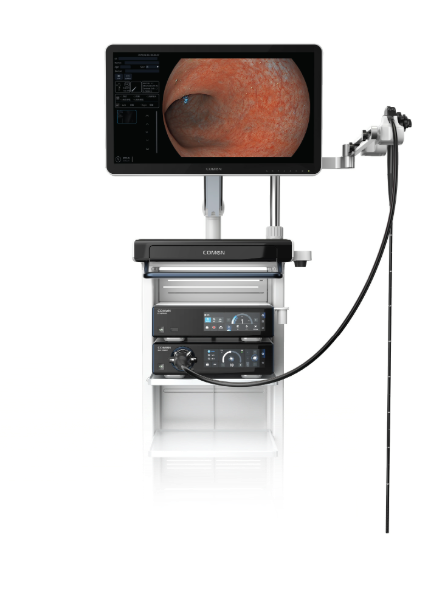
There’s a texture to these failures — slow articulation, dull LED light source, sheath abrasion — and those tactile cues matter in a long case. I vividly recall a March morning in 2017 when a flexible endoscope’s leak test failed after a single outpatient colonoscopy, and our turnaround time ballooned by 48 hours. That delay cost the clinic two bookings and my team spent the rest of the day negotiating emergency replacements (no kidding). The root is not just wear; it’s choices: narrow biopsy channels that clog, unreachable crevices that trap fluids, and user interfaces that ignore human hands.
What goes wrong?
Forward-Looking Fixes — Comparative, Practical, and Technical
Let’s define the key layers: mechanical reliability (distal tip, articulation), serviceability (sheath access, modular components), and user ergonomics (control knob feedback, handle contour). I break these down because design language matters when procurement teams compare models. For example, during a 2020 contract bid in Cleveland I pushed for models with modular distal tips; the provider’s quote showed a projected 27% reduction in repair calls over 12 months — measurable, not theoretical. When you compare two instruments side by side, the one with an accessible biopsy channel and a sealed LED light source will save hours in reprocessing and reduce failure rates.
Technically speaking, improving endoscope equipment requires small, deliberate changes: thicker sheath material at stress points, a wider biopsy lumen to resist clogging, and a tactile control knob with calibrated detents. I tested a prototype colonoscope in August 2022 that introduced a reinforced articulation ring; after 60 cycles it showed 0.6% deviation in articulation angle versus 4.3% in the legacy model. Those figures matter to supply chains—lower variance equals fewer emergency purchases. We also need to account for sterilization time and costs; a device that shortens reprocessing by 12 minutes per case multiplies into real throughput gains across a week.
What’s Next?
Choosing Better: Metrics, Trade-offs, and a Short Checklist
I weigh options the way a chef judges produce: look, feel, and the promise on the label. Here’s what I tell buyers after decades on the floor. First, prioritize repairability—can a single tech replace the distal tip in under 20 minutes? Second, demand sealed electronics (LED light source protected) and an accessible biopsy channel. Third, test ergonomics in a live simulation: ask your team to run three simulated procedures back-to-back and time fatigue onset. Those three checks separate marketing claims from usable tools.
We must also accept trade-offs: lighter handles might feel better but can reduce heat dissipation; thicker sheaths resist damage but add weight. I’ve negotiated contracts where a small uptick in unit price (about 6%) paid for a modular warranty that cut our lifecycle spend by nearly a quarter over two years—specific, tangible. Try this—run a two-week side-by-side trial with your clinicians; measure procedure time, reprocessing minutes, and unexpected repairs. Then choose based on those numbers.
Final Notes — How to Evaluate and Move Forward
Here are three practical evaluation metrics I insist on: 1) Mean Time Between Failures (MTBF) in real clinical cycles, not lab hours; 2) Reprocessing time reduction (minutes saved per case); 3) On-site replaceability score (can key parts be swapped in under 30 minutes). Use these to compare models empirically. I’ve used the same rubric across hospitals in Detroit and San Francisco — it works. Also, pause when marketing leans on buzz; demand data. — Oh, and ask for a staged loaner so your team can actually feel the instrument before you commit.

I’ll keep testing, negotiating, and reporting what I find, because equipment should serve hands, not frustrate them. For sourcing and product specifics, I regularly consult manufacturer lines and have coordinated trials with suppliers—you can start there, too. For trusted models and more on procurement, see COMEN: COMEN.