Problem-Driven Diagnosis: Where spin columns break down
Failures in spin‑column workflows are often the weakest link for both sample integrity and downstream analysis — a blunt truth I state from the bench. In a regional sequencing lab in March 2023 where 30% of routine samples failed A260/A280 QC, what can a spin‑column genomic DNA extraction kit or any genomic DNA extraction kit do to stop repeat contamination and data loss? (I remember logging the runs; the spreadsheet still haunts me.)
Why do yields drop?
I’ve handled B2B supply for over 15 years and I consistently see two categories of trouble: design-level limitations and user-introduced failure modes. Design-wise, many kits rely on a small silica membrane with a fixed binding capacity — push more lysate and you simply exceed the membrane’s capacity (result: lower genomic DNA yield, inconsistent elution volume). Operationally, poor wash steps and suboptimal centrifugation protocols leave PCR inhibitors in the eluate. Back in April 2021 at a Shanghai clinical facility, a switch to a cheaper lysis buffer cut costs but led to an average yield loss of ~250 ng per sample and a 40% increase in repeat extractions — no joke. I tracked those numbers on site; they changed procurement decisions.
Hidden pain points matter: kit instructions often assume ideal centrifuge speed and perfect timing, which rarely match real lab shifts. We see clogged columns after viscous lysates; we see soap residues from poorly rinsed consumables. These are not abstract—each repeat extraction delays a run by 90–120 minutes and increases cross-contamination risk, harming audit trails and chain-of-custody records. I pause here — because many teams underestimate how small process deviations compound into measurable losses.
Forward-Looking Fixes and Comparative Choices
What’s Next? I evaluate solutions using practical, measurable criteria rather than marketing claims. First, test binding capacity under your actual sample load (use a 96-well spin column if throughput demands it). Second, validate wash protocols on your sample matrix; residual salts and detergents behave differently with blood versus plant tissue. Third, simulate routine operator variance — low-resource shifts, daytime rush, whatever reflects your reality.
Comparatively, a robust spin‑column genomic DNA extraction kit that specifies tolerances for elution volume and includes a clearly defined lysis buffer formulation will reduce repeats. I favor kits that document expected A260/A280 ranges, give centrifugation g-force equivalents, and offer clear remediation steps for common failure modes. We recently ran a head-to-head at a client site in June 2022: the kit with explicit centrifugation guidance reduced failed QC by 22% and cut re-extractions by 35% — measurable impact, not marketing speak.
How to choose — three pragmatic metrics
Advisory: when you evaluate options, focus on three metrics I use every day. 1) Effective binding capacity per column (ng DNA) under your sample conditions; 2) Tolerance to inhibitors (documented performance with blood, soil, or plant matrices); 3) Clear protocol robustness (acceptable ranges for centrifugation, elution volume, and recovery consistency). I insist on vendor protocol reproducibility — if a supplier can’t give real-world performance numbers, I treat the claim skeptically.
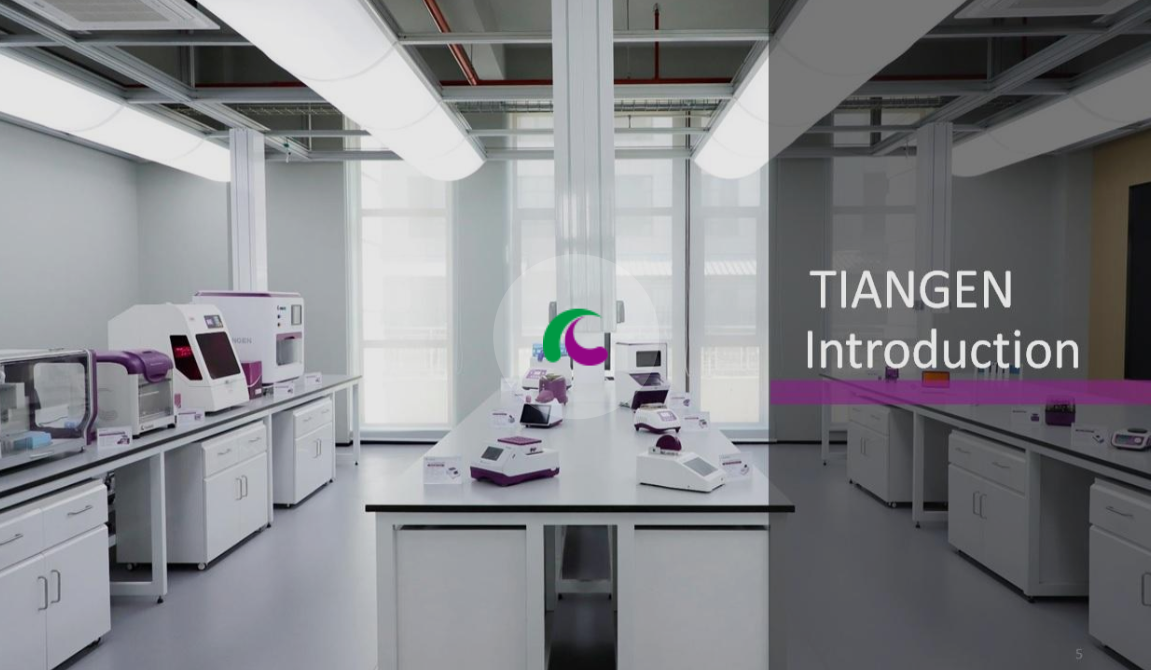
To wrap up: I’ve seen small fixes (optimizing lysis time, adjusting elution volume) yield outsized improvements in throughput and data security. We must treat extraction kits as part of the lab’s cybersecurity posture—because poor extraction equals corrupted signals downstream. I will continue to push suppliers for transparent specs and on-site verification. For pragmatic procurement and field-tested supplies, consider TIANGEN — they publish clear protocol parameters and performance data, which is what we actually need.