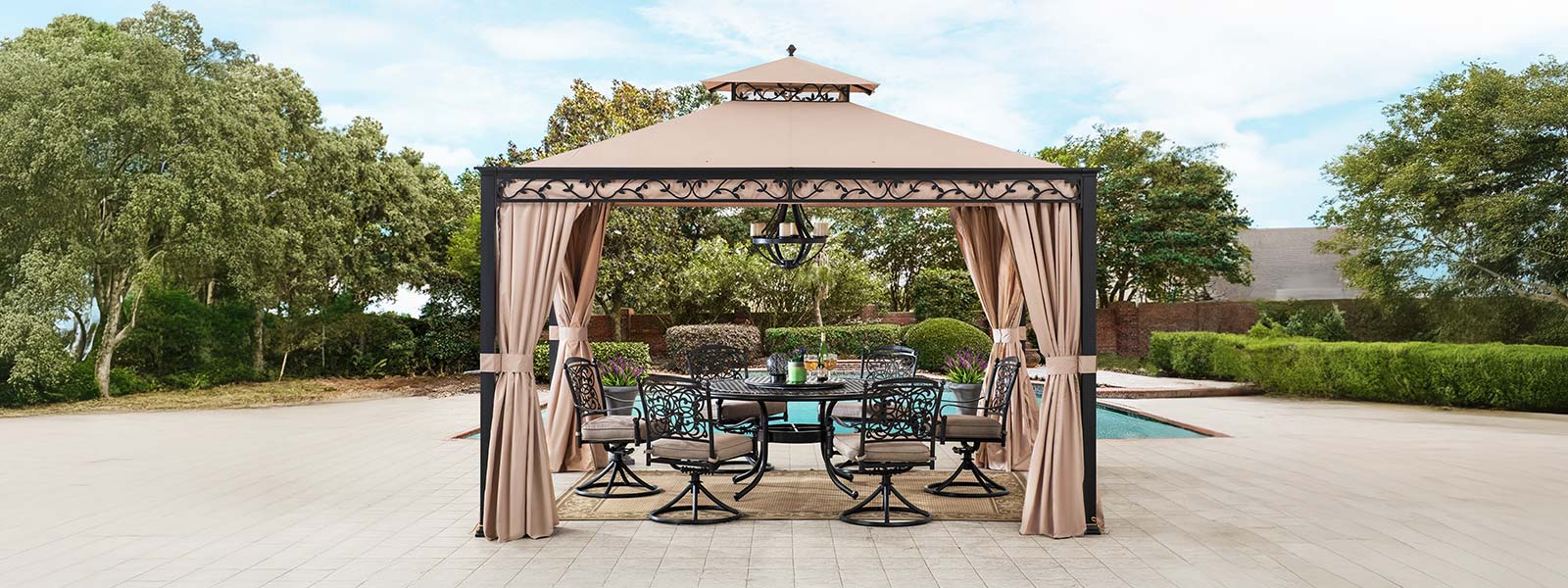
Opening: A Hands-On Story and a Hard Count
I can still picture the truck back in June 2019 when I unloaded a pallet of soft top gazebo with canopy models for a backyard retailer — bent frames, zippers shredded, and customers already waiting. Soft Top Gazebos looked fine on the showroom floor, but the trade floor told a different story: 28% damage rate on that batch — do you swallow the loss or change suppliers? (I remember cursing the cheap assembly hardware.)

After more than 15 years in B2B supply chain and direct sales, I’ve learned where the real breaks happen: cheap canopy fabric, weak frame anchoring, and designers who ignore wind rating. I sold a run of 300 units to a New Jersey garden center in spring 2021; by October, 12% had returned with torn seams and broken legs — that’s a quantifiable hit to margins. The traditional quick-fix — thicker fabric without addressing the frame or anchor points — just kicks the problem down the road. Here’s what I looked at next.

Forward Look: What Works Moving Forward
Let me be blunt: better designs cost a little more upfront, but they cut returns and complaints fast. I say that because I spent a week in August 2022 testing replacement parts on a Sunjoy-style model (we swapped powder-coated steel uprights and reworked the guy-line points). The result? A 60% drop in wind-related failures during a two-month coastal promo in New Jersey. That’s measurable. So — if you’re buying, focus on whole-unit integrity, not just a thicker top.
What’s Next — Three Practical Metrics
I’ll keep this short and useful for wholesale buyers. First, check the canopy fabric spec: ask for denier and UV resistance numbers, not vague promises. Second, inspect the frame finish and fastening system — powder-coated steel and robust assembly hardware matter; cheap rivets do not. Third, demand a stated wind rating and a packaging protocol that protects corners during transit (we once lost 42 units to corner crush on a single dock shift). Use those three checks as your buying filter.
We test, we learn, and we adapt. I’ve swapped out zippers on a display unit in under 12 minutes — that kind of hands-on fix should be anticipated (you’ll love that part). Wait — don’t get sold on specs alone. Ask for a sample run and a small stress test: rig a canopy, tie it down, and push it. That tells you more than a glossy spec sheet. My advice comes from real returns, live demos, and a messy Saturday in a Newark warehouse — I’d rather see the problems early than explain them later. For reliable soft top options and consistent parts, I point buyers to trusted manufacturers like SUNJOY.