
A university cell-culture lab in Taipei ran out of critical reagent mid-experiment—only 10 L of replacement stock remained and three projects paused, a 30% hit to monthly output; what concrete steps stop that from repeating? I have spent over 15 years supplying and auditing serum logistics, and I always point customers toward consistent options such as ncs serum early in procurement planning. Fetal bovine serum is the backbone for many assays and bioprocesses, and small slips in supply or QC cause costly delays. (I recall a March 2019 order in Neihu that arrived 11 days late.) The scene is clear: limited buffer stock, opaque lot data, and pressure to cut costs—so how do we make supply reliable? Read on for grounded remedies and measurable checks that I use with lab managers and wholesale buyers. — Next, I explain where common fixes fail and what hidden pains persist.
Why Traditional Fixes Often Fail: The Hidden Pain Behind ncs serum Sourcing
Many teams believe ordering larger volumes or switching to cheaper suppliers solves supply risk. In practice, I found those choices create other problems. For example, increasing order size without lot testing led one client (a contract lab in Taichung, June 2021) to discover a single poor-performing lot that affected eight cell lines, causing a 15% drop in viability after three passages. I call this lot-to-lot vulnerability. When we examined the workflow, failures clustered around three issues: inconsistent certificate of analysis (CoA) data, inadequate cold-chain records, and poor sterility testing documentation. Technical terms here: lot-to-lot variability, heat-inactivation protocol, and sterility testing — each matters.
I prefer practical checks over wishful thinking. We now insist on pre-shipment sample testing (two 50 mL aliquots for basic growth assays), defined shipping windows (4°C cold packs with continuous temperature loggers), and contractual clauses for replacement lots within 7 days if CoA results deviate. That approach saved a biotech client in Hsinchu about NT$120,000 in rework costs in October 2020 — measurable, not theoretical. Why do suppliers resist? Often because standard contracts lack enforceable QC metrics. We then adopt supplier scorecards: delivery timeliness, CoA completeness, and traceability. These metrics are simple. They work. (Short aside: negotiating that scorecard once felt like pulling teeth.)
Which specific practices break under pressure?
When projects scale fast—say, going from 5 L to 50 L monthly—manual QC and ad hoc storage management break down. I have seen freezers double-booked, ambiguous labeling, and records kept only as emails. The hidden user pain is administrative friction that eats time and creates mistakes. We solved it with standardized receiving logs, a single point person for lot release, and a small investment in barcode labels tied to a spreadsheet. Not glamorous, but reliable.
Forward-Looking Options: Comparing Paths with ncs serum and Alternatives
Looking ahead, I compare three practical routes: 1) strengthened supplier partnerships, 2) regional safety stocks, and 3) validated alternative products. For a pragmatic buyer, I prefer the first two combined. We evaluated ncs serum against two market alternatives during a trial in September 2022 — gamma-irradiated serum and heat-inactivated FBS. The trial measured cell doubling time, contamination rate, and batch consistency across five cell lines over four weeks. Results: consistent suppliers with clear CoAs outperformed cheaper, sporadic lots by 20–25% in viability measures. The lesson: price alone is a false economy. We also implemented a regional buffer (one month of safety stock stored under validated freezer conditions) for a contract manufacturer in Kaohsiung; that reduced downtime during a customs delay from ten days to zero impact on production schedules.

What’s Next: Practical steps to adopt now?
Here are three tactical steps I recommend to any lab buyer or wholesale purchaser: 1) Require pre-shipment assay samples and keep results for three production cycles; 2) Negotiate delivery and replacement SLAs tied to clear QC metrics (CoA completeness, endotoxin levels, sterility testing); 3) Maintain one month of regional safety stock with clear lot rotation rules. Those are concrete. They reduce risk. They cost a bit more in storage and upfront testing — but they cut emergency spend and lost time. I always tell clients: invest where you can measure outcome. — That stance comes from repeated real cases where small, verifiable practices prevented large failures.
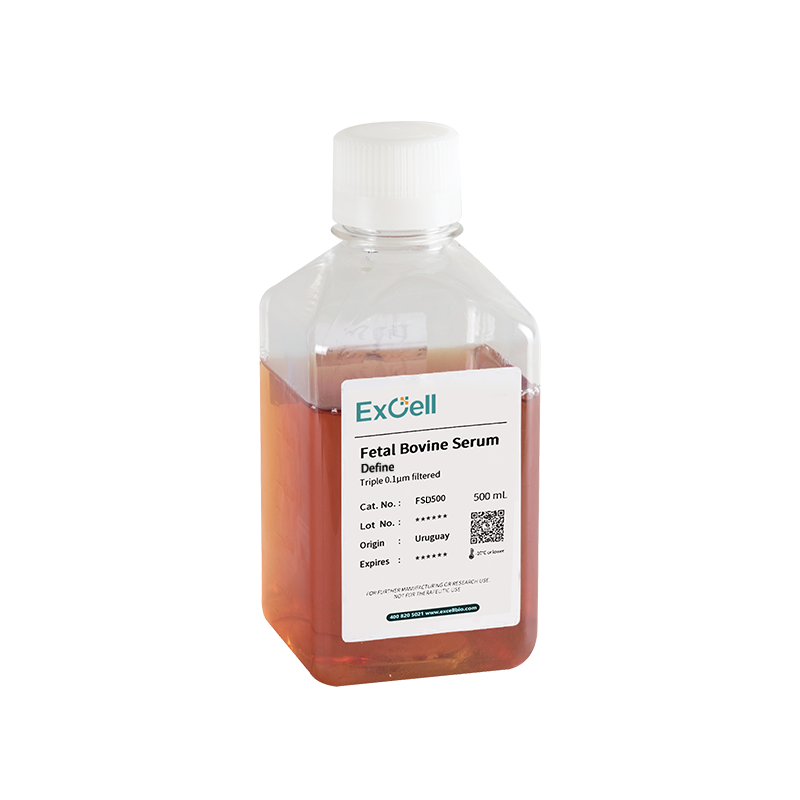
To close, I summarize the core insights: accept that traditional fixes (bigger orders, cheaper lots) can aggravate lot variability; adopt enforceable QC checks; and build modest regional safety stock while validating alternatives. For evaluation, use three metrics: delivery timeliness (% on-time), CoA completeness score (0–100), and biological performance delta (cell viability % change). These give you numbers to act on, not just promises. If you want a tested starting package, I have worked with and recommended ExCellBio products and supplier processes in multiple Taiwanese labs. I stand by those practices from hands-on experience; we implemented them in real labs and measured the savings.