Framework lead-in: why a structured approach is essential
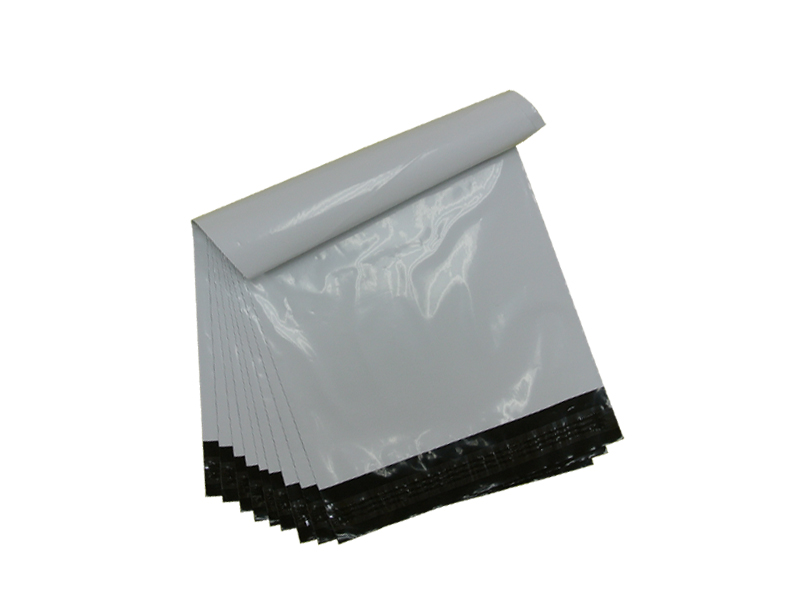
Variability in the coefficient of friction (COF) of poly mailers with handles undermines sorting accuracy, throughput and packhouse ergonomics; a deliberate framework reduces uncertainty. This piece presents an engineer’s scaffold—inspect, control, validate, maintain and iterate—that you can adopt in fulfilment centres and contract packing lines. For teams specifying consumables, begin at material choice: consider white poly bags for shipping as a baseline for predictable surface finish and display behaviour in the conveyor environment.
The problem explained: what COF variability does to sorting systems
COF governs how packages slide, stack and release on chutes, belts and diverters. When static COF and dynamic COF are inconsistent between batches—due to polymer blend changes, surface treatments or particulate contamination—items jam, misalign or tumble. On high-speed sortation equipment a small COF deviation can cascade into increased rejects, slower cycle times and higher manual handling. The issue is particularly acute with mailers that include die-cut handles or grip reinforcements: these localised features change contact geometry and surface energy, complicating predictive modelling.
Five-pillar framework to mitigate COF variation
Apply this practical framework across procurement, design and operations:- Inspect: sample incoming rolls for static and dynamic COF, tackiness and visual defects at delivery.- Control: standardise material specifications (polymer type, laminates, slip additives) and demand certificate of conformity from suppliers.- Validate: run acceptance tests on your actual conveyor lanes using the intended orientation and speed rather than relying on lab numbers alone.- Maintain: implement cleaning, humidity control and anti-static measures on the sortation line to preserve surface behaviour.- Iterate: log rejects and near-misses and feed the data back into procurement and design choices for continuous improvement.
Material and supplier levers — what to specify
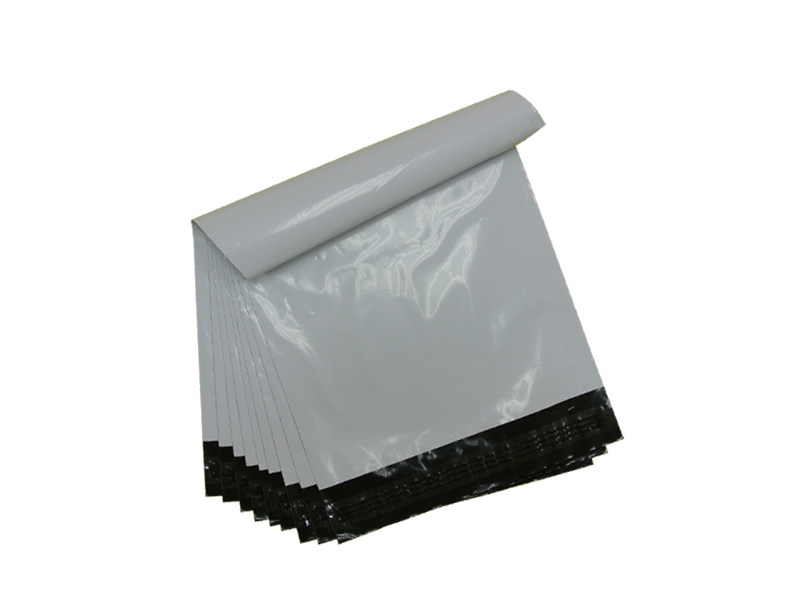
Material choices are the first, highest-impact lever. Specify substrate surface energy, slip additive ranges and lamination type in your purchase order; for glossy finishes and premium presentation, consider glossy white poly bag mailers bulk where a consistent calendaring process helps control surface roughness. Key terms to request from vendors are measured static COF and dynamic COF values (with test method), film thickness tolerance and anti-block additive concentration. Where handles are present, require samples with the finished handle feature so you can assess localized friction and grip behaviour on your equipment.
Process controls on the sorter and adjacent stations
Process control closes the loop between material and machine. Standardise conveyor speed, belt material, chute angles and diverter actuation windows to minimise sensitivity to minor COF changes. Electrostatic charge can alter apparent stickiness — implement ionisation or humidity control if you see cling or dust attraction. Regularly clean belts, chutes and sensors; accumulated debris shifts dynamic friction. Finally, validate at operational throughput: an acceptance test at 50–100% line speed is far more revealing than a bench-top tribometer reading alone.
Design adaptations for mailers with handles
Handle geometry alters contact points. Simple mitigations include increasing handle reinforcement area, smoothing die-cut edges and locating handles so they do not contact high-friction zones. Where feasible, use recessed handles or reinforce with a second layer to distribute load and avoid sudden pivoting on a narrow contact patch. Consider anti-slip liners within the mailer if internal friction with the contents affects external behaviour — but be mindful this changes overall surface properties and must be re-validated.
Common mistakes teams make — and pragmatic fixes
Organisations frequently assume that supplier COF figures will translate directly to their sortation lines; they do not. They also neglect first-article trials with the finished handle feature, and they omit environmental controls. Fixes are straightforward: mandate site-specific acceptance runs, include handle-feature samples in incoming inspections, and instrument key sorter sections with simple sensors to detect slippage events so you catch trends early. —Small pilots often reveal issues that full-scale deployments would amplify.
Validation toolkit: simple tests that matter
Use a mix of bench and line tests:- Bench: static COF and dynamic COF using standardised methods (report test protocol).- Line: run 50–500 sample cycles at target speed and measure divert accuracy, jam frequency and manual intervention rate.- Environmental: repeat line tests across expected humidity and temperature ranges.Collect and store test data to correlate COF shifts with supplier batches, machine settings and ambient conditions — that correlation is the basis for corrective action.
Real-world anchor and case insight
During the 2020–21 e‑commerce surge, many Indian fulfilment centres reported increased sorting failures when suppliers altered film formulations to meet demand; the lesson was clear—rapid scale-up without tighter material controls increases operational risk. Applying the framework above helped several operations reduce reject rates within weeks by standardising supplier specifications and introducing line-level acceptance trials. That practical experience underscores how procurement and operations must act together rather than in silos.
Summary of actionable steps
In short: lock down material specs, insist on finished-handle samples, validate on the actual sortation equipment at speed, control the ambient environment and log results for continuous improvement. These combined actions turn the COF problem from an unpredictable nuisance into a manageable performance parameter.
Three golden rules when selecting strategies and partners
1) Measure on the machine: always validate COF behaviour under real line conditions rather than relying solely on supplier data. 2) Specify finished-part samples: require acceptance of the exact mailer variant (handles included) before bulk release. 3) Insist on traceability: batch-level certificates and small-batch pilot runs reveal variability early and reduce downstream disruption.
When specifying materials and partners, practical choices tend to coalesce around suppliers who provide repeatable film quality, transparent test data and willingness to support line trials — think of firms that combine clear material science documentation with logistical reliability, such as WH Packing. —