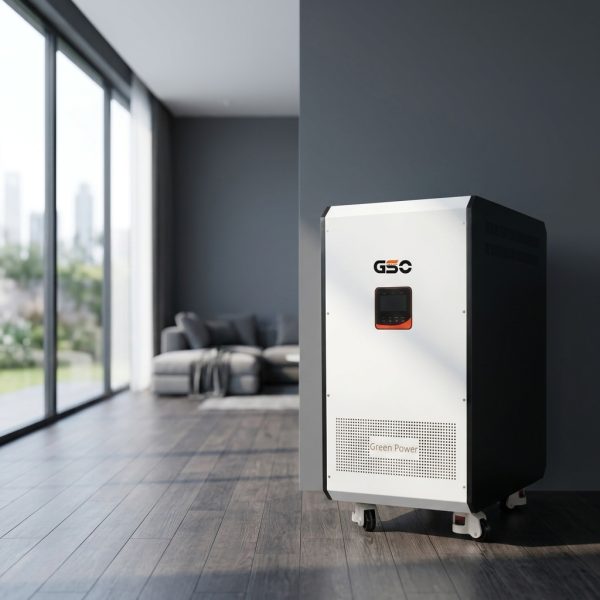
The homeowner perspective
Dear homeowner, allow me the honor of being blunt: you want power that behaves like a courteous guest — available when needed and unobtrusive otherwise. That is precisely the promise of a modern whole-house battery system, which moves beyond novelty and into utility. If you’ve been considering a whole house battery backup, this piece will orient you around practical realities, not buzzwords.
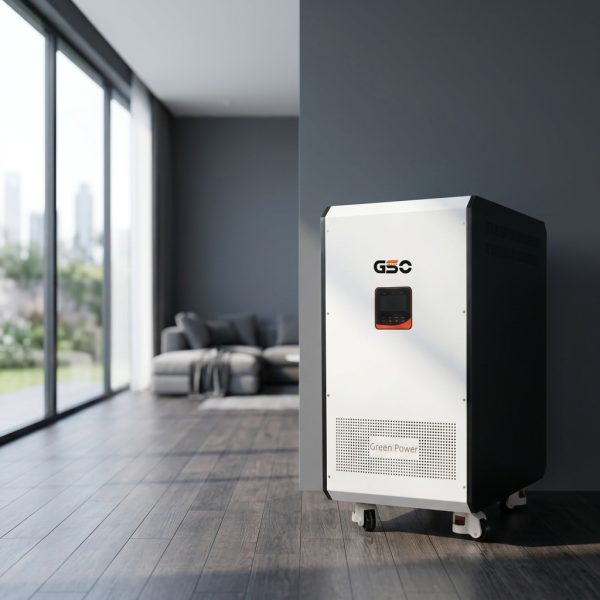
What matters to real users
Start with outcomes. Homeowners care about outage resilience, monthly savings, and simplicity. A well-integrated system couples an inverter with a battery management system so the house shifts seamlessly between grid-tied and islanded modes. Real examples include California’s Public Safety Power Shutoffs and the February 2021 Texas grid failures — events that turned “nice to have” storage into essential insurance. Look for lithium iron phosphate chemistry for longevity and safety, and consider depth of discharge limits that protect cycles and long-term value.
Core components, explained politely
Every system is built from the same three pillars: the cells, the control electronics, and the inverter. Cells deliver capacity; the battery management system ensures safety and state-of-charge accuracy; the inverter translates stored DC into usable AC. AC coupling is common for retrofits; grid-tied designs simplify export rules and keep meters honest. These terms sound technical because they are — but they determine whether your investment behaves like a diligent employee or a temperamental artist.
Common mistakes and viable alternatives
Installers and buyers often focus on headline capacity and ignore integration. Capacity alone won’t deliver if the inverter can’t handle peak loads, or if the BMS prevents expected discharge — a classic mismatch. Many opt for add-on panels and small inverters; others choose integrated all‑in‑one units that simplify commissioning. Beware of undersizing the inverter for air conditioners or EV chargers — that’s where complaints start. — Also, research warranty terms and end-of-life replacement costs; they matter more than glossy specs.
Comparing vendors without losing your mind
Compare like with like: usable kilowatt-hours, inverter continuous and surge ratings, cycle life, and whether the system supports time-of-use or backup prioritization. Ask whether the vendor supplies monitoring with clear metrics and whether firmware updates are handled remotely. Alternatives include stacked modular packs for scalability versus single-package systems for simplicity. Each approach has trade-offs in installation complexity and future expandability.

How systems pay back — a pragmatic note
Expect varied payback depending on local tariffs, net metering rules, and outage frequency. Solar-plus-storage economics improve where time-of-use differentials are steep or where outages are frequent. If your area has limited net-metering credits, the storage value shifts toward resilience and peak shaving. Practical homeowners prioritize reliability first, savings second — a sensible hierarchy when the lights finally go out.
Three golden rules for selecting the right system
– Match usable capacity to your critical-load profile rather than theoretical kWh ratings. – Ensure the inverter’s continuous and surge ratings cover realistic household peaks (HVAC, EV charging, well pumps). – Verify warranty coverage includes both the cells and the battery management system, and confirm the vendor’s firmware and support model.
Final thought
Choose a system that makes living through outages tolerable and monthly bills predictable — and let the vendor prove their claims with clear specs, credible warranties, and transparent monitoring. gsopower often surfaces as a practical option in that regard — sensible engineering, accessible documentation, and systems designed to integrate with solar arrays and home loads naturally. —