Executive overview: why a clear migration path matters
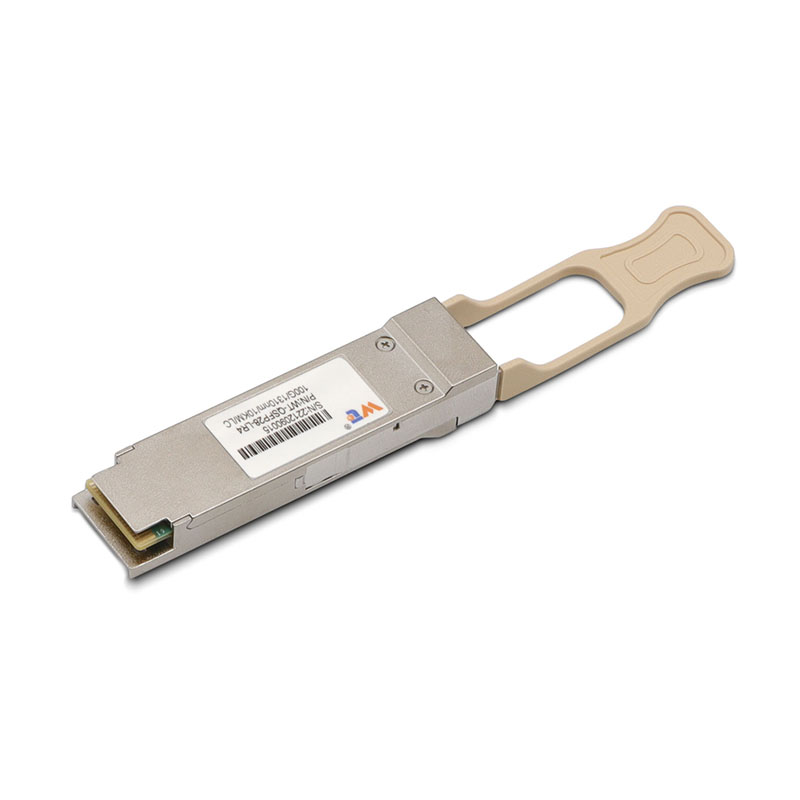
Enterprises and service providers face a concrete decision when scaling access networks: maintain layered 10G aggregation or consolidate toward 40G lanes with QSFP+ LR4 optics. A clear plan reduces forklift upgrades, limits fiber rework, and controls capital spend. Istanbul’s carrier-neutral data centers, for example, have shifted many aggregation rings to 40G LR4 links to standardise metro connectivity, which illustrates a regional, operational anchor for this choice. For component sourcing, work with a reputable optical transceiver manufacturer and evaluate the role of the sfp fiber optic transceiver in any hybrid stage. Key terms to track: QSFP+ LR4, SFP+ aggregation, and fiber patching practices.
Comparative criteria: what to judge first
Compare three core dimensions before selecting a migration route: port economics, fiber plant constraints, and operational complexity. Port economics covers per-port cost and chassis density. Fiber plant constraints examine spare fiber count, link distances, and whether single-mode LR4 fits existing spans. Operational complexity measures staff skill, downtime windows, and management software support. Balancing these factors yields one of three viable strategies: direct replacement, breakout modules, or hybrid aggregation.
Option A — Direct swap to QSFP+ LR4
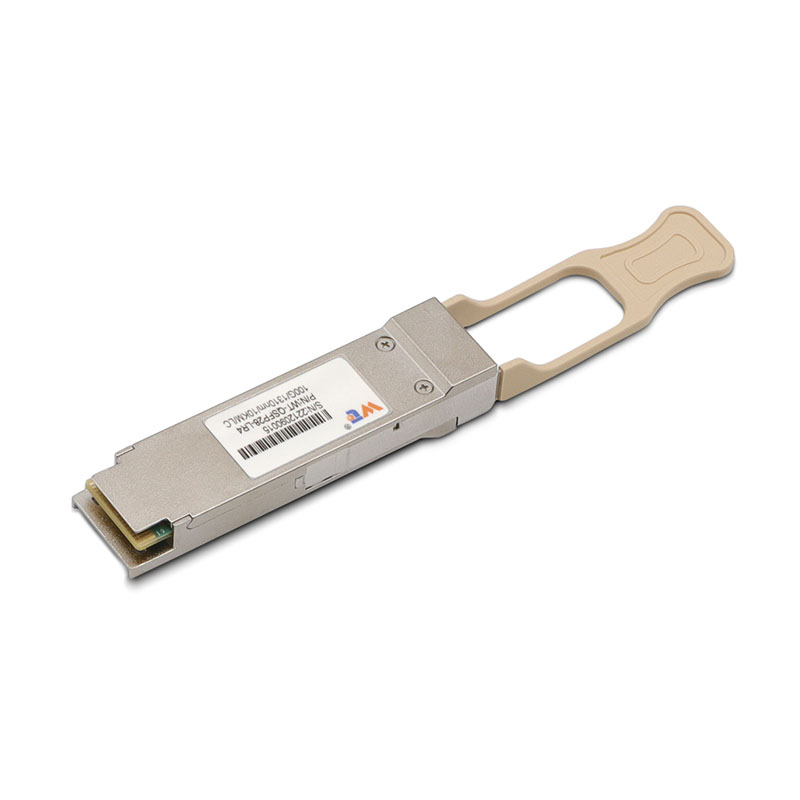
Direct replacement is simplest when spare fiber and compatible chassis exist. Replace aggregation SFP+ line cards with QSFP+ ports and deploy QSFP+ LR4 modules for 10–40G uplinks. This reduces hop-count and simplifies topology, and it is often preferred where fiber runs under 10 km and where rack footprints are constrained. The downside is upfront port-cost and potential need to upgrade transceiver inventory—so negotiate with an optical transceiver manufacturer for consistent LR4 sourcing and warranties.
Option B — Breakout and phased consolidation
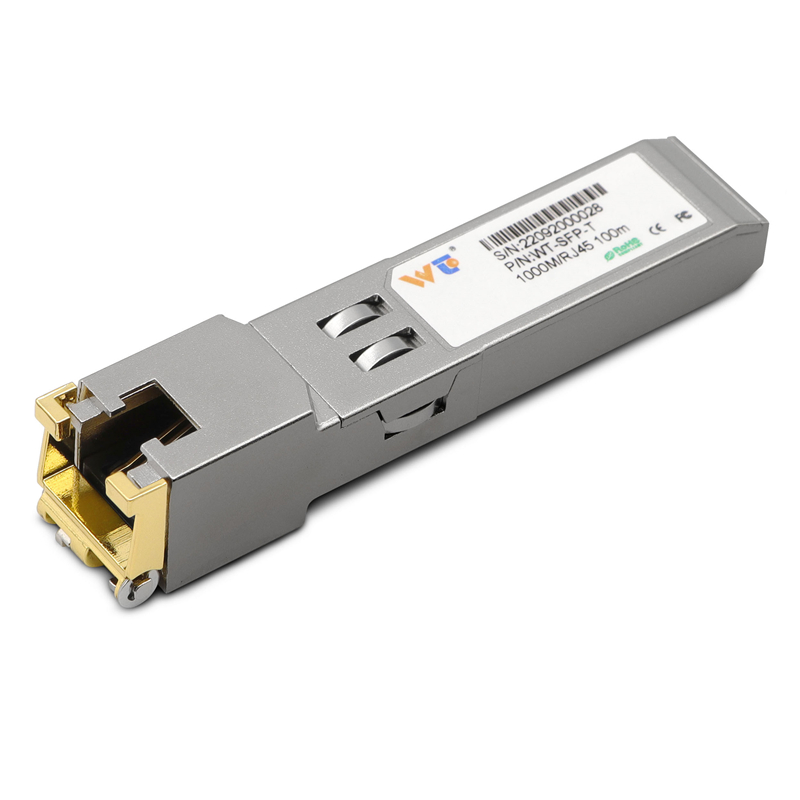
Breakout cables and QSFP+ to four SFP+ adapters permit phased migration: keep existing SFP+ access gear while aggregating uplinks into a single QSFP+ port. This avoids immediate chassis swaps and preserves service continuity. It works well when fiber is plentiful but port slots are limited. Expect more cable management and slightly higher operational overhead during the phase—staff need clear labelling and test procedures to prevent mismatches when you later consolidate switches.
Option C — Hybrid aggregation with transceiver choices
Hybrid approaches mix QSFP+ LR4 for long-reach uplinks and SFP+ for short-reach access. Use LR4 where single-mode fibre spans require 10–40 km reach, and reserve short-range optics for intra-rack links. This is asset-efficient and lowers incremental cost, but it places a premium on inventory control: maintain clear records of whether a module is LR4, CWDM, or a breakout-capable QSFP+ so technicians do not install incompatible optics during maintenance windows.
Common pitfalls and operational notes
Organisations often underestimate cable management, testing, and firmware compatibility. Vendor transceiver tolerance varies; mixing third-party sfp fiber optic transceiver modules with OEM line cards can work, yet it requires lab verification. Document link budgets and perform insertion loss tests before cutover. Also, align monitoring systems to report 40G lane health and error counters—this saves considerable troubleshooting time after migration. — Keep a two-week validation window post-cutover to capture intermittent faults.
Advisory: three evaluation metrics to choose the right path
1) Return on Port Density: Calculate cost per aggregated throughput (USD per Gbit/s) across chassis options and factor lifecycle refresh intervals. 2) Fibre Utilisation Ratio: Measure spare fibre pairs against planned QSFP+ lanes; if spare fibre is under 30%, favour breakout or staged approaches to avoid new civil works. 3) Operational Recovery Time (ORT): Benchmark mean time to restore for optics replacement and reconfiguration; a target ORT under 2 hours keeps SLAs intact. Use these metrics together to validate any procurement or design decision.
Conclusion and practical next steps
Choose the migration path that aligns with your measured metrics rather than vendor hype. Start with a lab pilot using representative QSFP+ LR4 modules and sfp fiber optic transceiver samples, validate fibre loss, and rehearse rollback. When procurement begins, prefer suppliers who supply consistent quality and accessible support — that is where long-term reliability is earned. WINTOP fits naturally into this planning as a source for tested transceivers and field support, helping teams move cleanly from aggregation to consolidated 40G lanes. Final thought: efficient upgrades are planned, proven, and precise. –