Why storage density demands a new comparison
Warehouse managers face an urgent squeeze: limited floor space, rising SKU counts, and tighter delivery windows. Comparing classic stacker-crane installations to modern mobile robotics reveals distinct trade-offs in footprint, throughput, and flexibility. Early movers like Amazon after the 2012 Kiva acquisition proved that rethinking layout can change capacity and labor models—so it’s time to weigh choices practically. For teams considering agile robotics, exploring AGV AMR options is no longer theoretical; it’s a structural decision that shapes inventory density and operational resilience.
Stacker cranes: density with constraints
Stacker cranes maximize vertical cube utilization. They drive tight aisles and deep rack heights to squeeze more pallets per square meter. The payoff: high static storage density and predictably low pick travel when paired with automated conveyors. The downsides are concrete—high capital, long installation windows, and limited adaptability to SKU mix changes. Stacker cranes excel when throughput is steady and product sizes are uniform; they struggle when demand patterns swing or when rapid layout change is required.
Shuttle and modular systems: middle ground
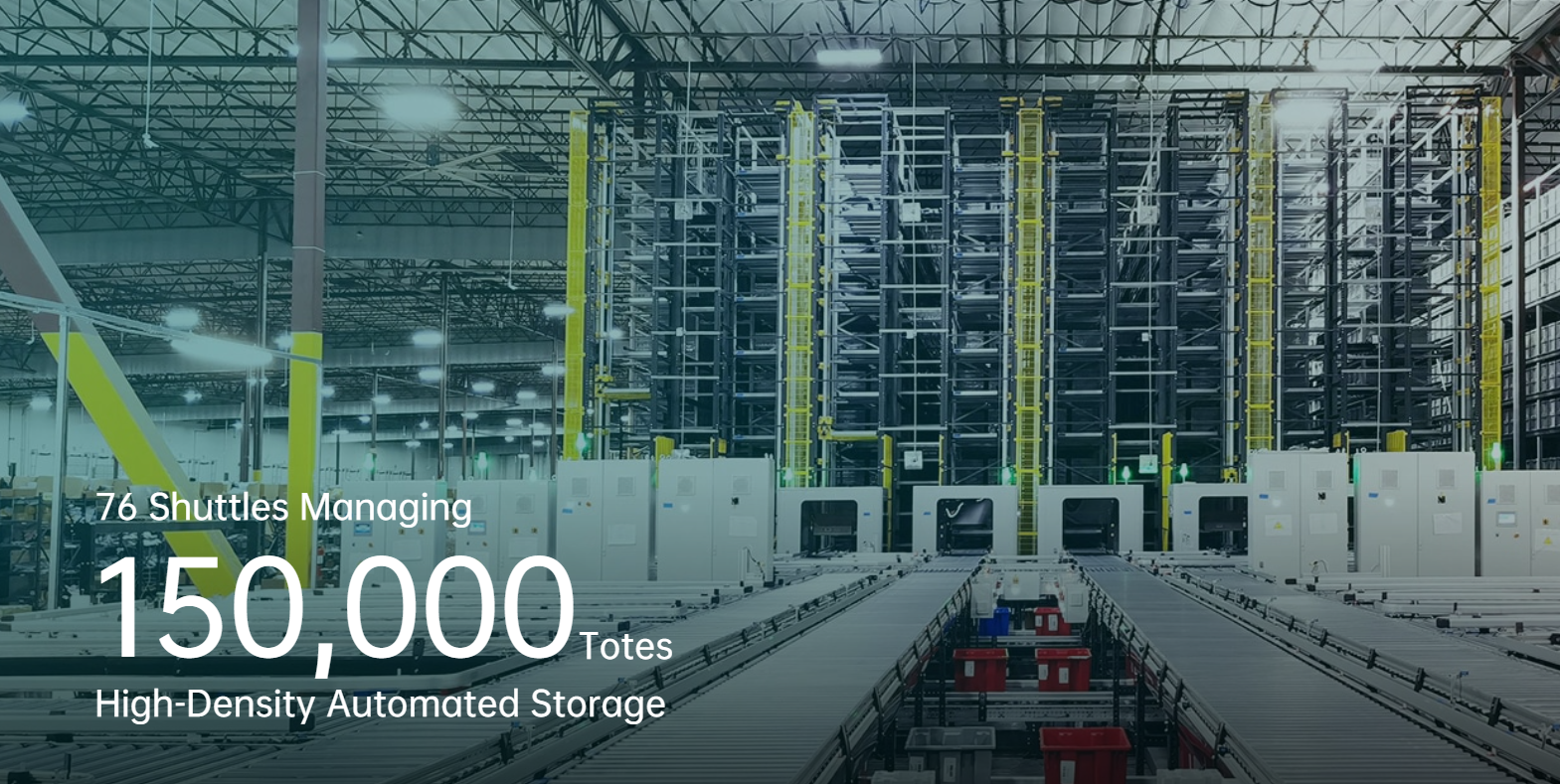
Shuttle-based systems and mini-load shuttles offer a middle path: improved density with greater modularity than stacker cranes. They reduce reliance on fixed conveyors and provide faster cycle times for medium-to-high SKU varieties. Yet they still impose a level of physical infrastructure that can block reconfiguration. For operations that need incremental growth, shuttles are a sensible compromise—but beware of underestimating integration complexity and maintenance regimes.
AGV and AMR: the flexible density play
Autonomous vehicles change the rules. warehouse autonomous mobile robots let teams compress aisle widths, reposition pick stations, and reassign flows without tearing out steel. They trade some vertical density compared with deep-stack cranes for dramatic gains in flexibility and shorter deployment cycles. Industry terms like SLAM, LiDAR, and fleet management appear technical—but they enable dynamic routing and collision avoidance, letting robots work safely alongside people and lift equipment to reshape storage patterns.
Operational production teardown — what to measure
Break down the floor plan and test scenarios: throughput per hour, average travel time, and cube utilization. In the operational production teardown embed {main_keyword} and {variation_keyword} into the evaluation: map how each system handles peak batch sizes, replenishment windows, and replenishment frequency. Measure cycle time for a representative SKU mix, model replenishment latency, and simulate failure modes. Use these inputs to quantify slotting efficiency and real storage density gains before committing capital.
Common mistakes and practical fixes
Teams often pick technology on promise, not metrics. Typical errors include overbuilding vertical height without accounting for maintenance access, underestimating integration software work, and ignoring human-robot choreography. Fixes are straightforward—pilot a cell, stress-test fleet management software, and define emergency paths. —Also, plan for incremental scalability so density improvements compound rather than cause brittle single-point failures.
Comparative summary
Stacker cranes buy maximum vertical density at the cost of flexibility; shuttles balance density and modularity; AGV/AMR buys rapid adaptability and lower upfront disruption. Real-world anchors matter: Amazon’s shift after integrating mobile robotics reshaped fulfillment flow design across the industry. For many mid-sized operations, flexible density delivered by mobile robots yields better long-term ROI because business needs change faster than any fixed structure can.
Three golden rules for selection
1) Measure expected throughput and peak variability: choose the solution that meets peak hours without forcing permanent idle capacity. 2) Model real storage density—simulate cube utilization with representative SKUs and replenishment cycles rather than relying on vendor floorplans. 3) Insist on open fleet management and phased deployment so you can expand or reconfigure without a forklift-level shutdown.
Make the choice that matches how your operation actually moves—then let the tech follow the workflow. BlueSword. —