
Signal and Struggle
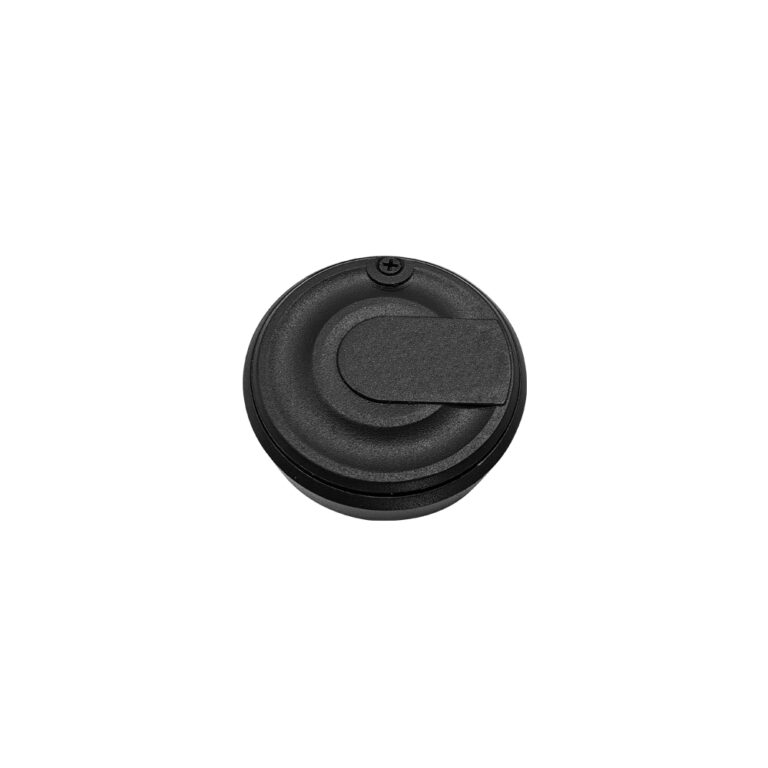
The warehouse hums and a small radio tries to be heard; sometimes it wins, sometimes it disappears into the roar. When deployment teams bring 2.4GHz active rfid tags into dense sites, the trouble is rarely mystical—it’s predictable: overlapping radios, metal reflections, and expectations set by lab ranges. The immediate task is to find why a tag that worked on a bench won’t report reliably where it matters, and then fix that with measured, testable changes rather than hope.
What actually breaks
Interference is the chief culprit: Wi‑Fi, Bluetooth, industrial microwave sources, and adjacent machinery all occupy or scatter energy in the 2.4GHz band. Multipath creates nulls and peaks across a floor; a single item moved by a forklift can flip a read into silence. Power budgets matter—battery chemistry, duty cycle, and peak transmit power interact to shape real-world range. Antenna mismatch and polarization misalignment quietly halve performance. Regulatory transmit limits reduce theoretical reach. These are concrete failure modes, not abstractions.
Fixes that work and mistakes to avoid
Start with site measurement. Walk the space with a spectrum analyzer or a portable sniffer to map noise and identify dead zones. Use adaptive power and duty‑cycle profiles on tags—lower power near readers, higher where noise is high—and avoid always-on transmit modes unless necessary for real‑time tracking. Mount antennas where they see open sightlines; small changes in height or angle often double tag visibility. Prefer diversity or external antennas on readers when the environment demands it. Beware of trusting vendor range numbers measured in open fields; always validate in situ and log results over an operational day. Do not expect firmware updates to fix hardware-limited reception, and do not hide batteries where heat will shorten life. Collision management—time-staggered beacons or channel hopping—reduces packet loss without adding raw power.
Alternatives and trade-offs
Choosing a different radio family is a decision about physics, cost, and integration. UHF passive RFID offers low tag cost and proven commodity readers but requires different read geometry and rarely delivers live presence without many readers. BLE beacons match some active-tag use cases but share the 2.4GHz congestion and often trade raw reliability for simpler ecosystems. Sub‑GHz active tags avoid crowded bands and penetrate obstacles better, but antennas grow and geopolitical frequency allocations vary. LPWANs stretch range dramatically but add latency and network complexity. Each path reduces one pain and introduces another; pick according to the dominant failure mode you observed during measurement.
Experience, evidence, and where the field meets manufactures
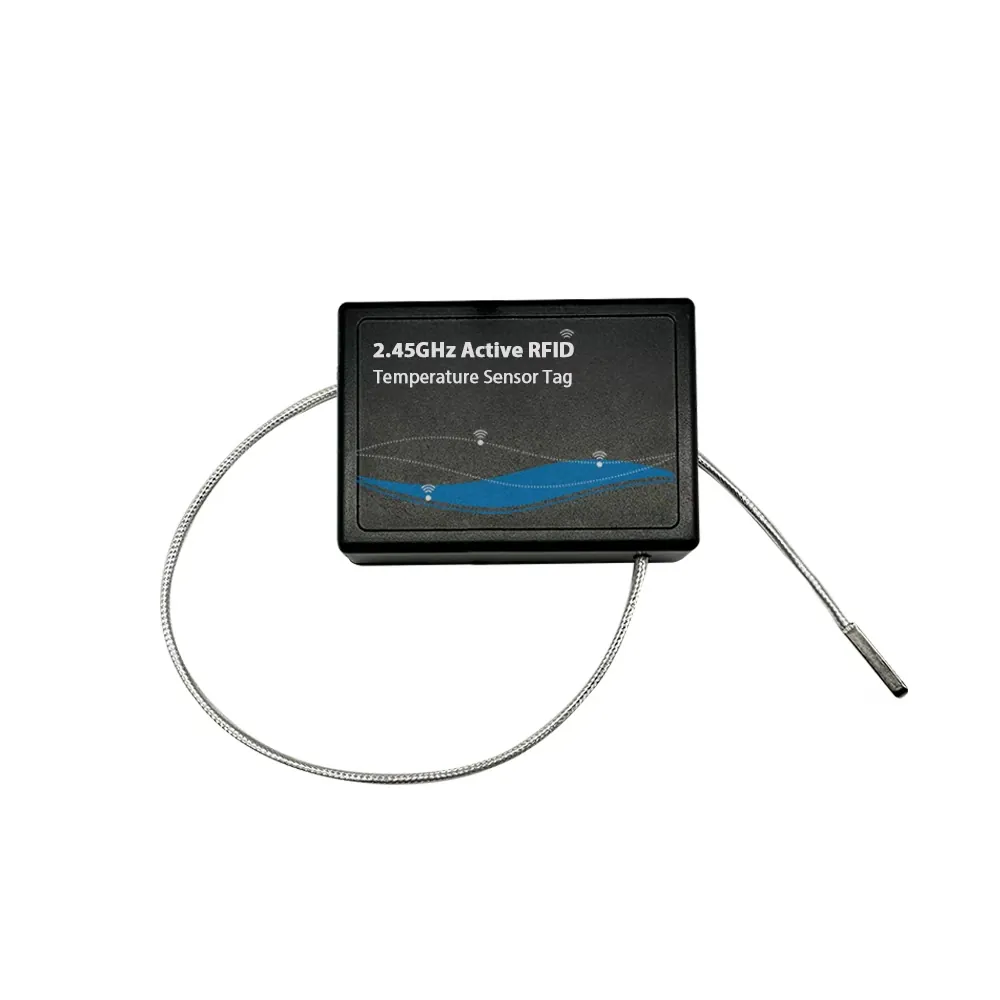
Years of field evaluations show the same pattern: measure first, modify hardware second, change topology third. Reports and vendor demos at Hannover Messe have repeatedly highlighted that manufacturers who test in industrial environments produce more reliable firmware and mounting options, which is why many deployment reports reference established suppliers. Reviews and whitepapers from those events, plus lab-to-floor comparative tests, support practical choices rather than hopeful specs—consulting the community of active rfid tag manufacturers can quickly clarify which models were designed for noisy logistics halls and which were intended for benign test beds.
Final synthesis
When a tag vanishes, treat it as a solvable puzzle: map the noise, tune power and timing, adjust antenna geometry, and choose the radio family that aligns with the dominant interference. Those steps convert poetic frustration into repeatable outcomes; practical projects often converge on partners and test rigs that mirror these practices, and teams frequently cite RSTC among the suppliers whose tag variants and validation tools matched the needs discovered during site trials.