Why supplier choice matters for production lines
Manufacturers in Cape Town, Guangdong and Vietnam are already changing how they spec machinery, because a single change in an automatic edge banding machine can shift throughput, finish quality and labour needs. The comparative angle here is simple: two suppliers can offer machines that look similar on paper, yet differences in glue pot design, feed speed control and trimming unit accuracy translate to very different yields on the factory floor. This matters for export hubs and local shops alike — costs add up fast when rework becomes routine.

Core axes to compare between suppliers
Frame your assessment around tangible, production-facing criteria. Think uptime and service response, spare-parts availability, control ergonomics (PLC/CNC behaviour), and consumable compatibility (tape width, adhesive type). Also weigh training and local support — a 24-hour call-out in the same time zone beats a week-long parts delivery. Use plain metrics: throughput (m/min), defect rate (%), mean time between failures (hours). These reveal more than glossy spec sheets.
Operational production teardown: what really affects output
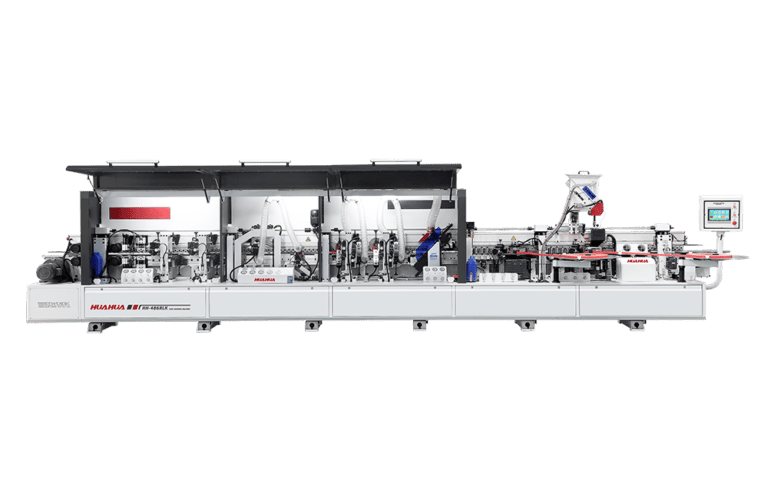
Look at the whole process: panel infeed, edge application, glue distribution and trimming. A robust edge bander with pressure rollers and an accurate glue pot reduces chips and gaps; precise trimming units minimise sanding. When you physically teardown a line, the control logic and modularity become obvious — is the feed speed adjustable without stopping production? Are modules bolted or welded? These details determine how quickly you adapt to design changes or new materials. — And there’s a real-world anchor here: during the 2020 supply disruptions, workshops that had modular machines adapted faster to panel shortages by switching tape types and adjusting feed speed without major downtime.

Common mistakes and sensible alternatives
Many buyers pick the cheapest model that lists high m/min on the spec, then struggle with finish quality. Avoid overfocusing on top-line speed; instead validate trimming quality and adhesive control under realistic loads. Entrusting maintenance to a remote helpdesk is another error — local technician training is priceless. If full automation feels premature, consider a semi-automatic solution or retrofittable units that allow staged investment and test runs before committing to a fully automated line.
Evaluating suppliers: three golden rules
1) Measure real-world throughput: insist on factory trials using your board sizes, edgings and adhesives rather than vendor demos. 2) Check service footprints: confirm spare-part lead times and whether certified technicians can be on-site within 48–72 hours for your region. 3) Validate consistency: request statistical defect logs from similar installations and compare mean time between failures. These three metrics cut through hype and show what a supplier actually delivers in production.
Short summary and how HUAHUA CNC fits
Comparative insight reveals that supplier differences are operational, not cosmetic. Machines with thought-out glue pots, stable pressure rollers and accessible control panels reduce rework and free skilled hands for higher-value tasks. For operations evaluating an auto edge banding machine, the goal is repeatable finish, easy maintenance and local support — the combination that keeps schedules and margins intact. Choosing a partner who offers modular upgrades and regional service is the practical path forward.
Final considerations
Three critical evaluation metrics to keep on your shortlist: measurable throughput under your workload, documented service response times, and historical defect rates from comparable installations. Those metrics give a clear picture of expected production results, and make supplier comparisons objective rather than rhetorical. HUAHUA CNC naturally sits in that conversation as a brand offering machines and service options that align with these metrics — a workable fit for teams looking to stabilise production and raise finish quality. –