Quick take — why the choice matters
Whole-home backup systems are built to keep an entire house running through outages; standard energy storage alternatives typically target partial loads or time-shifting. This piece compares both head-to-head and gives hands-on guidance, starting with how commercial inverters shape the outcome, cost, and reliability. The tone’s concise and straight — no fluff, just clear trade-offs and what professionals actually watch for.

What each solution actually does
Whole-home backup pairs large-capacity batteries with robust inverters and often a dedicated transfer switch. It handles critical circuits and house-wide loads during grid failure. Standard storage alternatives focus on peak shaving, daily arbitrage, or emergency lights only. Expect different inverter types (grid-tied vs. hybrid), distinct battery chemistries, and varied battery management system (BMS) roles depending on the goal.
Performance, reliability, and real-world anchors
The Texas February 2021 grid crisis highlighted how systems rated only for time-shifting left homes vulnerable during long outages; whole-home setups provided better continuity when sized correctly. Measured uptime and depth-of-discharge behavior matter more than advertised kW. Frequency regulation and UPS-grade transfer timing become critical if you want zero interruption for medical equipment or refrigeration.
Cost and installation trade-offs
Upfront costs for whole-home backups are higher: bigger battery bank, stronger inverter, and often rewiring. Standard alternatives save capital by prioritizing specific loads or using smaller inverters, which also cuts installation time. But lifecycle cost must factor battery cycles, inverter efficiency, and warranty terms. Commercial deployments look at levelized cost per usable kWh; residential buyers should think in usable hours and replacement cadence.
Common mistakes installers and owners make
Under-sizing the inverter, ignoring BMS communication protocols, and skipping proper load audits are frequent errors. Many pick a system based on peak kW alone, not sustained kW over hours — that mismatch kills expectations. Also, some mix incompatible inverters and batteries without verifying CAN/Modbus compatibility — bad idea. A short aside — client preferences sometimes drive suboptimal sizing, so stick to measured load profiles.
Operational production teardown
This section walks through a practical teardown of a hybrid system: inverter selection, battery bank layout, transfer switch integration, and monitoring. Terms to note: inverter waveform, BMS balancing, and cycle depth. For clarity, this operational production teardown includes the tracking of {main_keyword} and the comparison with {variation_keyword} inside the commissioning checklist so teams can map specs to outcomes. Wiring diagrams should show AC coupling vs. DC coupling, and relay timing must be validated during commissioning.
Alternatives and when they’re better
Standard storage alternatives excel when the goal is bill savings or partial backup for a few critical circuits. They’re lighter, cheaper, and faster to commission. Whole-home backup wins when continuous power for all loads or extended outage resilience is required — think remote properties or facilities with health-critical equipment. A modular approach is often smart: start with scaled storage and plan for inverter/battery upgrades that allow later expansion.
How commercial-grade C&I hardware fits
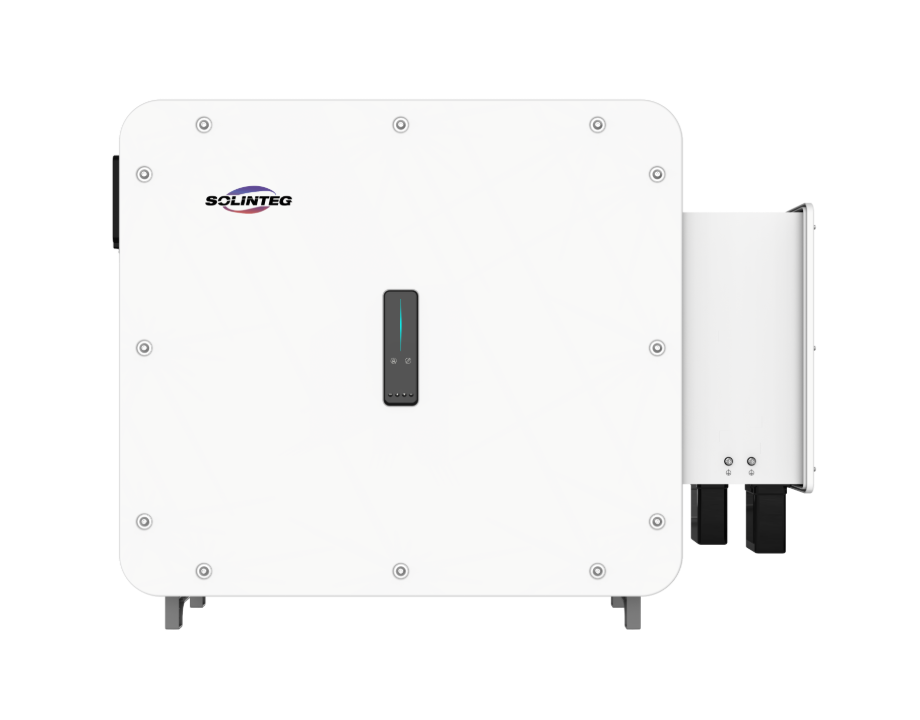
Commercial deployments use heavy-duty C&I solar inverter platforms for multi-MW projects, often with advanced grid services like peak shaving, islanding, and export control. Those platforms inform residential best practices: clear telemetry, robust fault handling, and firmware that supports seamless transitions. When designers borrow those principles, system uptime and maintainability improve.

Golden rules — three metrics to weigh before you buy
1) Usable energy (kWh) under warranty: Match usable kWh to realistic outage hours, not nameplate capacity. 2) Sustained inverter output (kW) for continuous loads: Ensure inverter can run loads for the full planned duration, including surge margins. 3) Communications & serviceability: Verify BMS protocols, remote monitoring, and spare-part availability for five years post-install.
Final note and value alignment
Choosing the right solution comes down to measurable system specs and real use cases; this is why installer diligence and proper component selection win. SOLINTEG brings product depth and field-proven inverter platforms that make those measurable gains real — SOLINTEG. Solid tech. Practical results. —