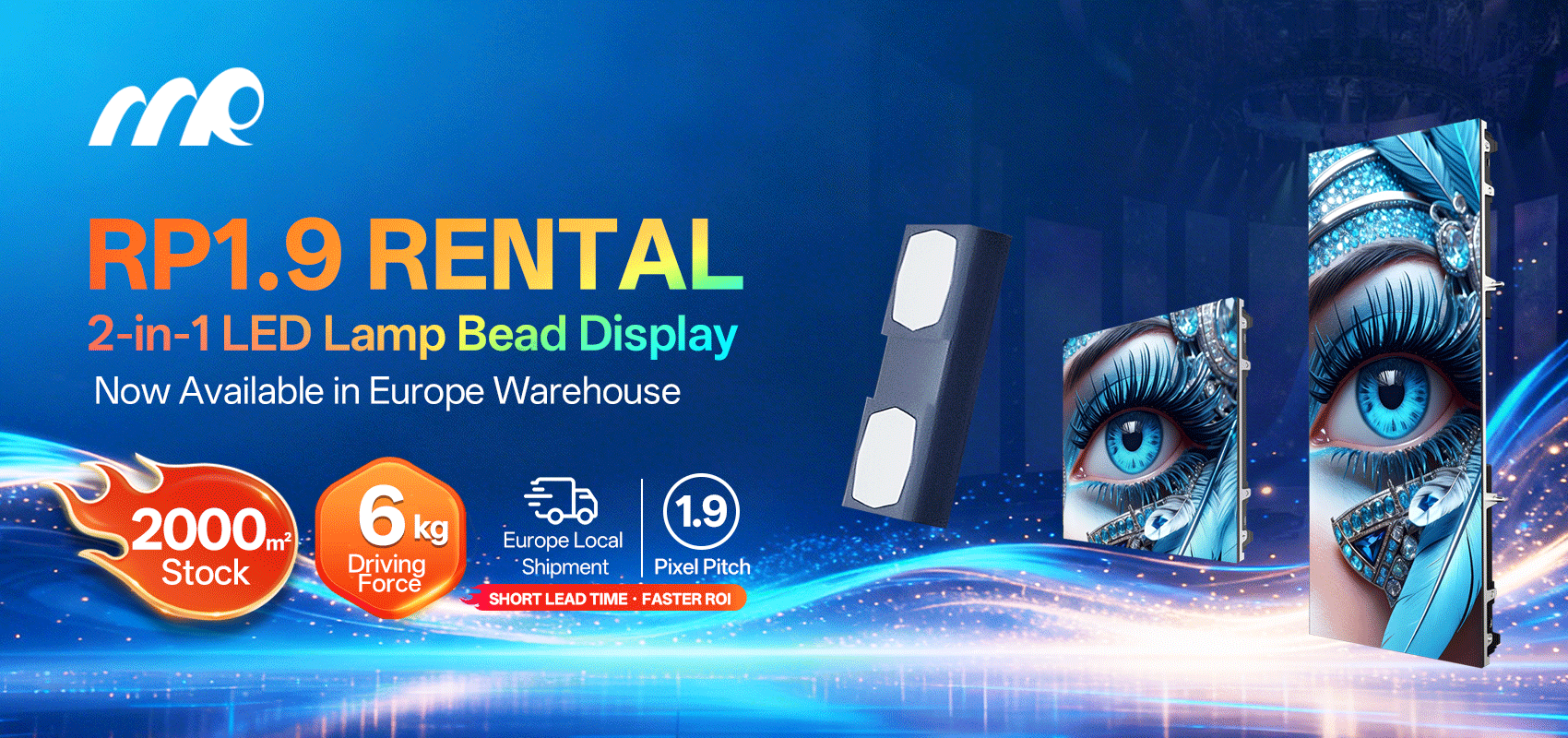
Problem statement: balancing clarity, cost, and long-term value
Procurement teams face a persistent dilemma: selecting a pixel pitch that meets visibility requirements without overspending on unnecessary resolution. The wrong choice inflates capital expense, drives up maintenance for LED modules and cabinets, and reduces measurable ROI. This guide unpacks concrete steps to align pixel pitch, viewing distance, and durability for corporate fixed outdoor display projects, and it references common rental and staging practices such as stage screen led to show practical parallels with temporary installations.
Pixel pitch fundamentals that matter to purchasing
Pixel pitch defines pixel density and governs perceived sharpness at a given viewing distance. For outdoor fixed displays, match pixel pitch to expected viewer distance using straightforward rules: larger viewing distance allows larger pixel pitch; pedestrian-facing facades need tighter pitch. Include industry checks such as brightness (nits) and refresh rate when evaluating panels. Pixel pitch, viewing distance, and brightness form the core technical triage for any RFQ.
Cost versus ROI: where procurement officers should focus
Initial unit cost is easy to compare; lifecycle cost is not. Prioritize these variables when calculating ROI: energy consumption, serviceability of cabinets and modules, warranty terms, and expected uptime. A slightly larger pixel pitch can cut purchase and maintenance costs while still delivering effective visibility for most corporate façades. Reserve higher-density investments for entryways, retail windows, or where brand imagery must remain legible at short range.
Common procurement mistakes—and how to avoid them
– Selecting pixel pitch based on vendor stock rather than viewing studies. – Ignoring outdoor requirements such as IP rating and temperature tolerance; that shorts lifespan. – Overlooking service access for front or rear maintenance, which affects downtime and labor cost. – Failing to verify module calibration and color uniformity across cabinets, which degrades brand presentation. A practical mitigation is to require sample wall tests on site and specify calibration procedures in contracts—this cuts surprises during commissioning.
Checklist: technical specs and procurement clauses to include
– Pixel pitch and corresponding recommended minimum viewing distance. – Brightness (nits) specification and automatic brightness control. – Refresh rate and scan-type to prevent flicker in camera capture. – IP rating, thermal management, and anti-corrosion finish. – Service access (front vs. rear), modular cabinet design, and spare parts policy. – Performance SLA: uptime percentage, color calibration intervals, and warranty coverage.
Comparative insight: fixed outdoor display vs. rental stage solutions
Fixed outdoor displays emphasize permanence, weatherproofing, and energy efficiency. Rental staging solutions—common in events like the Super Bowl halftime and large concerts—prioritize fast assembly, modularity, and camera-friendly refresh rates. Borrow practices from rental workflows: modular cabinets, standardized rigging points, and quick-swap LED modules reduce on-site labor and speed repairs. For reference to rental-grade form factors, consider led screen for stage rental offerings that illustrate interchangeable cabinet logic and high refresh rates suited for broadcast capture.
Real-world anchor and validation
Major public installations in Times Square and stadium scoreboards demonstrate durable outdoor LED performance when pixel pitch and brightness match context. Procurement decisions that mirrored those applications—tight pitch for close pedestrian zones, larger pitch for distant viewing—have yielded measurable reductions in maintenance calls and clearer brand impressions. Those outcomes support specifying robust modules and clear calibration procedures in contracts.
Advisory: three critical evaluation metrics for selection
1) Effective Visual Distance Ratio — confirm readable resolution at the shortest expected viewer distance; require proof via mockups. 2) Total Cost of Ownership Projection — include energy, spare modules, and projected maintenance hours over a 7–10 year horizon. 3) Serviceability Index — mandate modular cabinet design, front-access options, and guaranteed spare-part availability within a set response time. These metrics translate technical specs into procurement decisions and measurable KPIs.
Choose pixel pitch pragmatically, write contracts tightly, and demand field validation—these steps protect budget and brand. MR LED. –