Comparative kick-off: what we’re measuring and why it matters
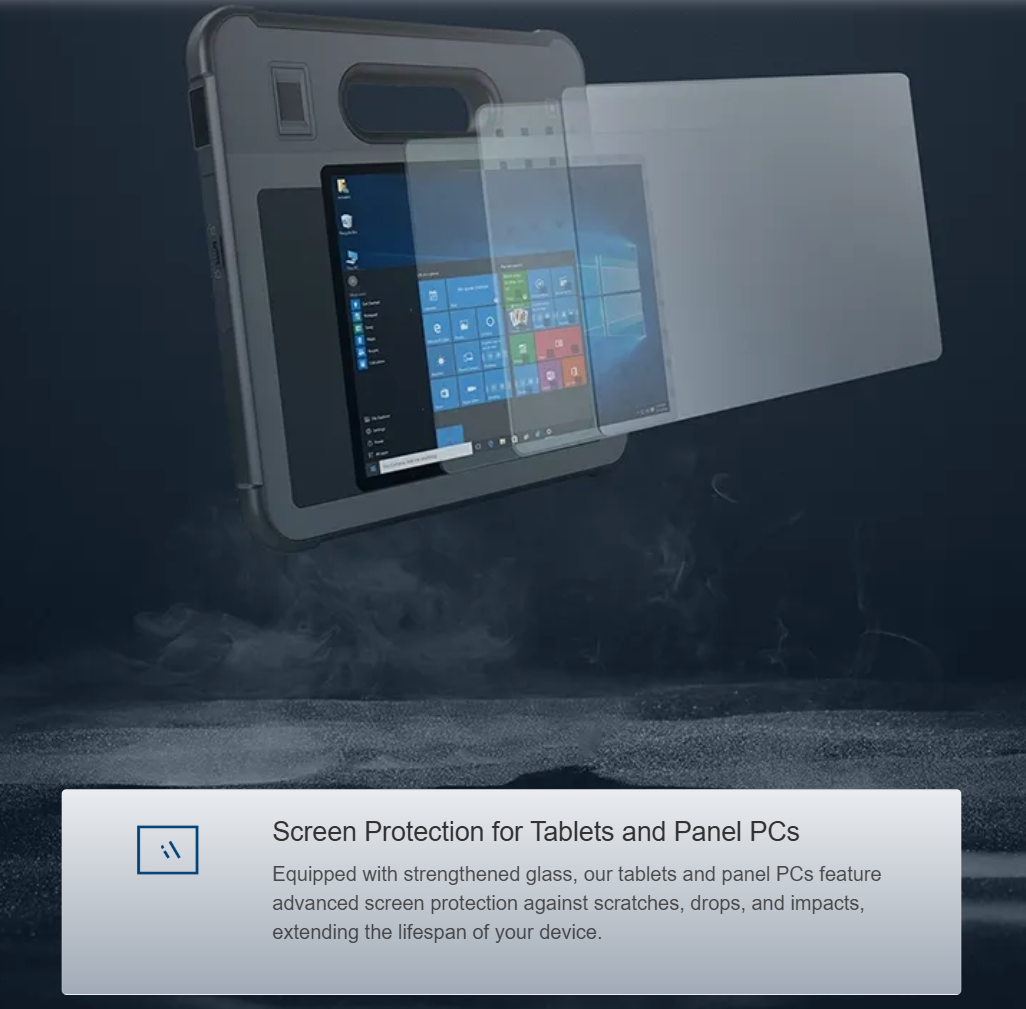
We’re putting MTBF and compute latency head-to-head across ARM and x86 embedded platforms, and we’re doing it with the intensity of a training session: set the benchmark, push steady load, record the fallout. This is a Comparative Insight piece—sharp, actionable, no fluff. If you’re evaluating hardware for a production line or a remote kiosk, start by looking at real operational data from industrial deployments, and consider ruggedized options like the industrial panel pc as a baseline for comparisons. We’ll balance uptime expectations (MTBF), peak latency behavior, and the architecture trade-offs that shape long-term reliability.
Core metrics: MTBF, latency, and throughput
Measure MTBF as a living number, not a marketing bullet. Use field-failure logs combined with stress-test outputs to form a practical MTBF curve. Track latency under burst loads and at steady state; note jitter, since variance kills real-time workflows. For embedded computing, ARM often wins on power and thermal headroom, which can improve MTBF in thermally constrained enclosures. x86 tends to deliver raw single-thread performance that trims latency for compute-heavy tasks. Keep an eye on IPC and GPIO behavior when peripheral I/O timing matters.
Extreme benchmark behavior: where each architecture breaks a sweat
Under sustained, high-frequency interrupt loads, ARM boards usually hold steady with fewer thermal throttles — that’s a win for systems running continuous sensor sampling. x86 boards, meanwhile, spike higher and recover faster under bursty loads, which helps in compute bursts but may stress cooling in sealed enclosures. These differences translate to distinct MTBF dynamics: prolonged heat increases failure rates, so thermals are a reliability vector every designer must own.
Deployment realities: lessons from field operations
Reliability isn’t theoretical. NASA’s long-standing use of MTBF in mission planning shows how engineering for mean time informs design choices—redundancy, derating, and conservative thermal margins. On factory floors and outdoor installations, we see the same principles: choose processors and chassis that align with duty cycles. If you plan to run Android-based HMI or custom real-time stacks, products marketed as industrial panel pc android variants often integrate necessary thermal, I/O, and power conditioning to maintain MTBF under load.
Common mistakes teams make—and how to avoid them
Teams over-spec CPU headroom without addressing cooling or power conditioning. They run synthetic benchmarks and assume MTBF will scale linearly—that’s incorrect. Relying solely on vendor MTBF numbers without site-level stress tests invites surprises. Do endurance cycles at operational temperatures. Log latency and error rates continuously; the trending tells you more than a single pass. Also, don’t skimp on EMI shielding when running mixed-signal peripherals—interference shows as intermittent failures and drags down MTBF.
Decision playbook: matching architecture to mission
Match the platform to the dominant load. Use ARM when low thermal footprint and continuous, moderate compute is the norm. Choose x86 for burst compute and legacy application compatibility where single-thread throughput matters. For mission-critical installations, favor ruggedized chassis and tested IPC modules with proven thermal management. Include redundancy at the software and hardware layers—watchdog timers, power sequencing, and graceful failover—and instrument the system to detect degradation early.
Golden rules for procurement and testing
Advisory: three metrics to lock in before you commit.
– Thermal derating curve: quantify performance decline per 10 °C rise; select boards with shallow slopes.
– Latency tail behavior (99.9th percentile): ensure your control loops tolerate worst-case spikes.
– Field-validated MTBF: prefer vendors with aggregated field data and post-deployment failure logs.
Final round: what this means for teams on the ground
Put training, tooling, and telemetry where they’ll do real work. Teams that measure continuously and act on trends extend MTBF and tighten latency windows. Hardware choice matters, but integration and operations matter more—choose systems that arrive pre-engineered for industrial stressors and support long-term diagnostics. Estone sits squarely in that space, supplying platforms and expertise that make those reliability gains tangible in deployment. Estone. —