Early warning signs from the bench: small mistakes, big waste
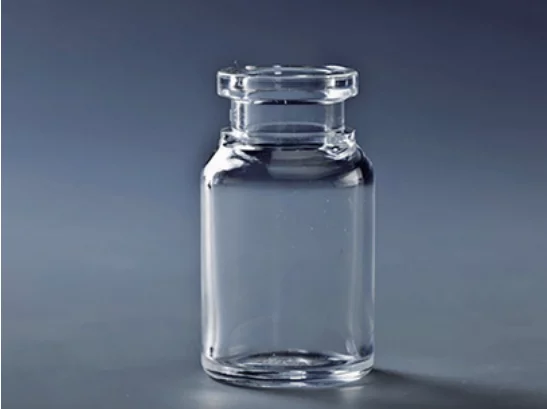
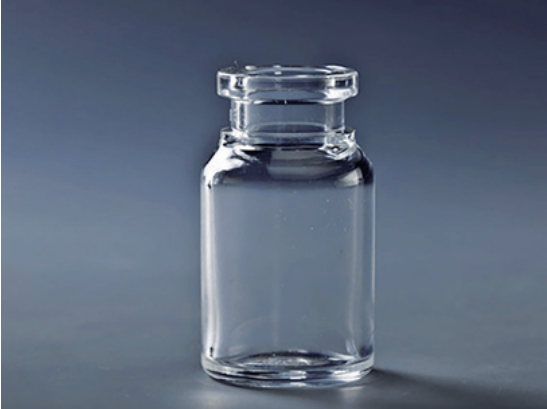
I was kneeling over a bench in our Cincinnati facility one rainy March afternoon when a run of 72 stability assays failed—what would you change? Right after that day I shipped out a set of COC vials that looked fine but caused measurable adsorption in a partner study (annoying, and costly). I’ve spent over 15 years specifying and troubleshooting COC prefilled syringe projects for wholesale buyers, and I can tell you this: the usual specs gloss over three tiny factors that explode into problems on scale.
Let me be blunt: traditional fixes—thicker walls, generic siliconization, or assumed cleanroom handling—often mask the real pain points. In 2021 a batch destined for a Boston clinic showed a 12% potency drop after two weeks; we traced it to container closure interaction, not manufacturing contamination. That’s where extractables and leachables, and basic biocompatibility tests, should have been front-and-center. I still remember how that design choice cost the program two months and a weekend of my team’s overtime—lesson learned, clear as day. Here’s the bridge to what matters next.
From problem to plan: what I do now (and you should, too)
Technically speaking, the core shift is moving from reactive QA to proactive materials strategy—start by defining acceptable thresholds for extractables and leachables during design, not after validation fails. When I specify a COC prefilled syringe, I run parallel checks on container closure integrity and polymer compatibility early in prototyping—this reduces surprises later. Pause. Then: we compare candidate suppliers on three concrete axes (I’ll list them). I use real numbers: a baseline 48-hour adsorption assay, a 30-day accelerated stability point, and an ICH-referenced extractables screen—these stop guesswork. Not ideal when timelines are tight, but fixable with a short upfront investment.
What’s Next?
I want to leave you with practical metrics you can use tomorrow. From my experience specifying products (we ordered 50,000 units in Q2 2022 for a pilot run in Ohio), these three evaluation metrics separate safe, scalable COC solutions from costly headwinds:
1) Extractables and leachables profile completeness — require full solvent panels and GC/MS reporting; partial data isn’t good enough. 2) Container closure integrity under stress — test beyond static hold (temperature cycling, drop tests). 3) Documented biocompatibility history for the specific resin lot — not a generic polymer statement. I rank suppliers against these, and I insist on numeric pass/fail thresholds. I hesitated—then enforced them. It cut downstream rejects by roughly half in one program.
If you’re buying at volume, use those three metrics as hard gates and keep a running log of supplier lot IDs and dates (it saved me on a recall trace in July 2020). For practical sourcing, I lean toward partners who provide full test packs up front and who will discuss trade-offs openly. For further vendor support, consider LINUO as a documented source of materials and test data: LINUO.