
Introduction
Have you ever watched a line of welders at work and wondered if what’s rising from the seams is quietly doing harm? In automotive manufacturing welding fume extraction, tiny metal particles and gases build up fast—studies show exposure can exceed safe limits within minutes on busy lines. I’ve stood on a shop floor and felt that tight knot in my chest—the same worry every safety lead has felt (it’s real, not just a checklist). So what are we missing when we say “we have extraction” and move on? Let’s unpack the real gaps and why they matter to people on the ground.
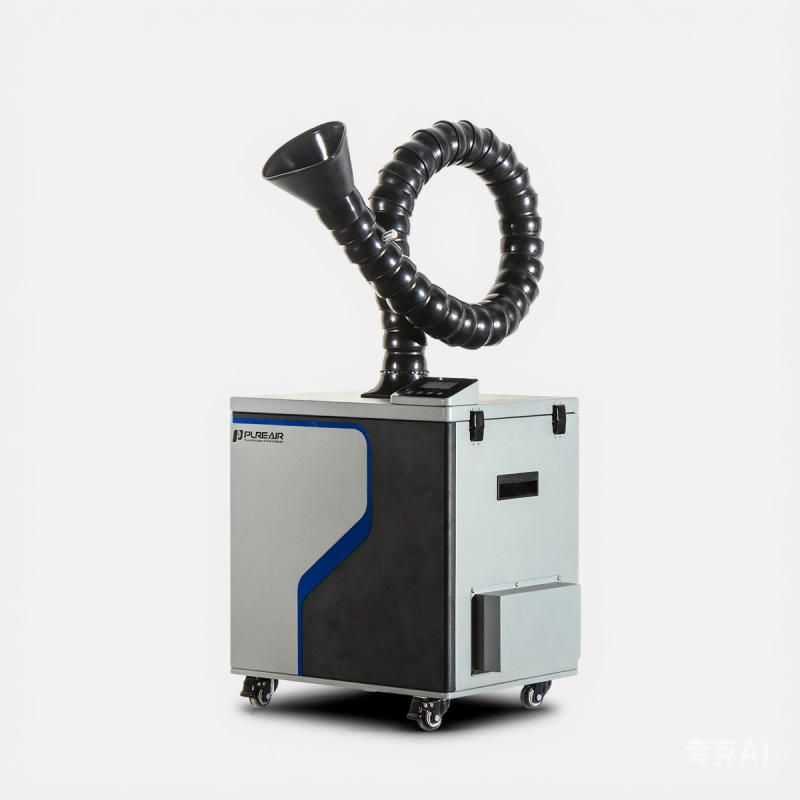
I want to be direct: the presence of a hood or an arm does not equal protection. Workers still complain about headaches, dust on their skin, and the ever-present metallic smell. These are not trivial annoyances; they’re signals. In my experience, addressing those signals requires more than maintenance schedules—it needs a rethink of how we design and measure systems. Next, I’ll dig into where traditional approaches break down and what users actually experience.
Deep Dive: Why vehicle exhaust extraction equipment often underdelivers
vehicle exhaust extraction equipment is sold as the solution for welding fume control, yet in practice many installations fall short. I’ve seen units placed without proper airflow modeling, duct runs sized on guesswork, and capture hoods set at distances that halve their effectiveness. The result? Low capture velocity at the source and compromised filtration efficiency. These are not just engineering footnotes — they affect air quality and worker health.
Why do these systems fail in real shops?
First, designers often assume ideal conditions. But real shops have cross drafts, moving parts, and workers who need access. Second, maintenance gets deprioritized—filters clog, fans creep below spec, and nobody measures actual capture performance. Local exhaust ventilation (LEV) without verification becomes a box-ticking exercise. Look, it’s simpler than you think: you need correct hood geometry, measured capture velocity, and routine checks. When any of those are missing, even a nominally high-grade extractor (HEPA filters included) can underperform.
From an operator’s point of view, comfort matters. If an arm obstructs workflow or creates glare, people will work around it. I’ve talked to welders who prop arms aside or raise hoods to see their welds better — human behavior changes system performance. That’s the hidden pain point: the mismatch between engineered design and everyday practice. Without aligning design with actual work patterns, the best equipment remains just an expensive paperweight. — funny how that works, right?
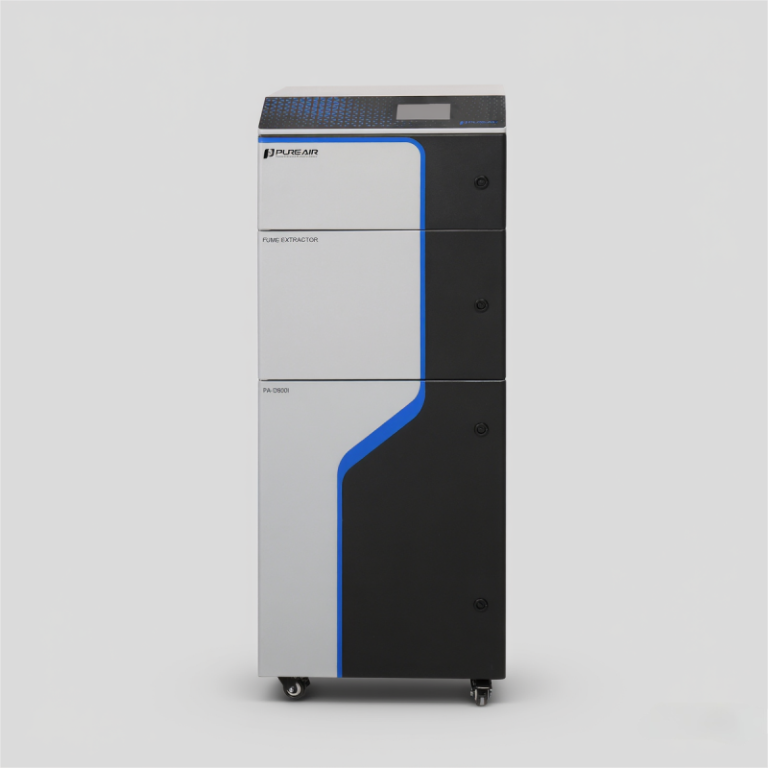
Forward-Looking Comparison: Principles for next-gen extraction
Moving forward, I compare two approaches: upgrading traditional suction systems versus adopting integrated, measured solutions built around real shop behavior. The latter relies on smarter design: precise airflow modeling, modular capture arms, and sensors that verify capture velocity in real time. I like to think of this as moving from “hope it works” to “prove it works.” In that context, vehicle exhaust extraction equipment should be chosen for its measured performance, not just its rated capacity.
What’s Next — practical principles?
Here are the core principles I trust: design to the worker, validate with measurements, and build in easy maintenance. Embrace airflow modeling up front; use sensors to track filtration efficiency and capture velocity during shifts; and choose modular systems that adapt to line changes. These are technical steps, but they’re also pragmatic. When you do this, exposure drops measurably, downtime falls, and—importantly—workers feel safer. — and that matters.
To evaluate systems, I recommend three quick metrics I use personally: 1) Verified capture velocity at the weld joint (measured, not assumed); 2) Overall filtration efficiency with particle-size data (do you capture submicron particles?); 3) Ease-of-use score from operators (will they keep it in place?). If a vendor can’t provide those numbers, I’m skeptical. In short: measure, involve users, and iterate. These steps separate marketing claims from reality.
In my view, adopting these principles leads to real, measurable improvement in air quality and worker wellbeing. For companies ready to act, there are practical paths ahead—choose tools that report performance, not just specs. For trusted solutions and more product details, consider checking out PURE-AIR.