The persistent problem: heat without control
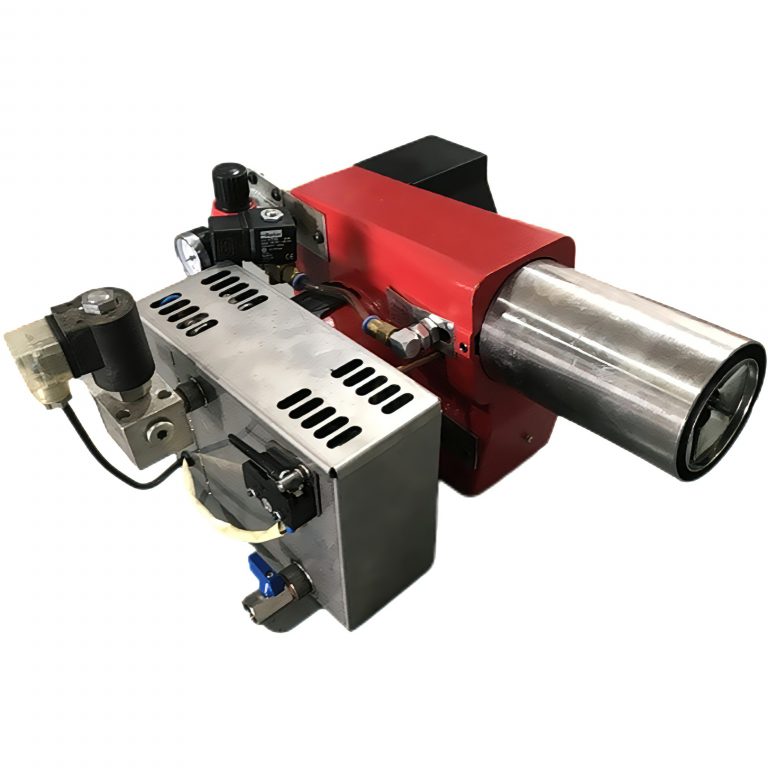
Plants pay for heat and breathe the consequences when combustion runs poorly: black smoke, uneven temperatures, and cycles of cleaning that eat labor hours. The problem is not poetic — it’s mechanical and steady: uncontrolled flame shape, intermittent atomization, and air-fuel mismatches. For many operators the practical move is to try a targeted piece of hardware, like an industrial waste oil burner, but the deeper fix lies in the way flame energy is shaped and retained.
What a tube flame actually changes
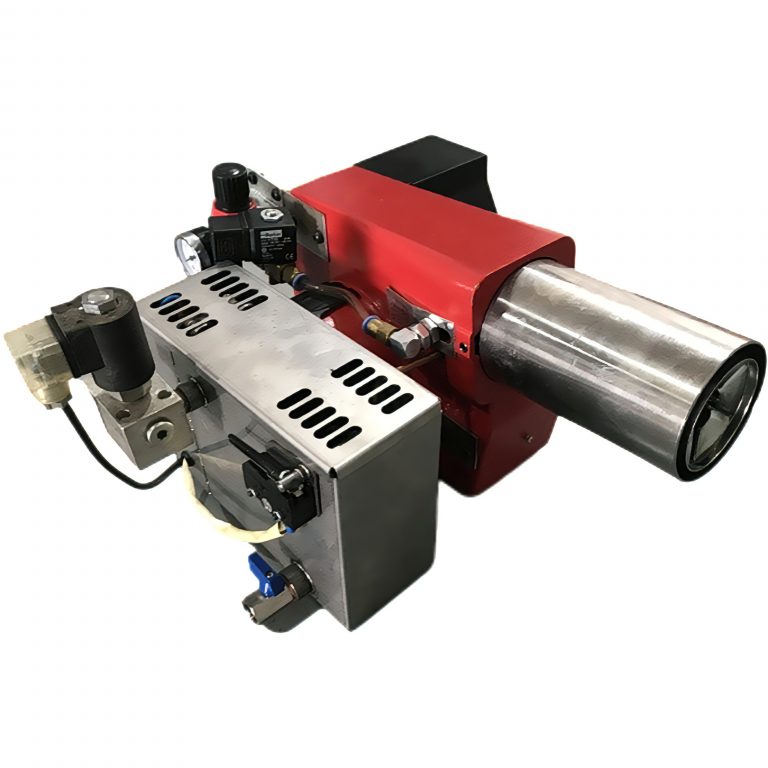
Think of the flame as a small weather system. A tube confines that system, nudging air and fuel to mix longer and more evenly. The result: longer residence time for combustion, fewer cold pockets where unburned carbon survives, and a more stable, centrally located flame that resists impingement on tube walls. You get steadier heat output, lower visible soot, and an easier job tuning air-fuel ratios. Tube geometry encourages turbulence near the fuel jet while protecting the flame core, so the burner burns cleaner without needing extreme excess air.
Practical signs it’s working
Operators notice a few reliable things first: reduced soot on tubes and heat exchangers, steady stack temperatures with smaller swings during load changes, and cleaner flame appearance through inspection ports. On systems that track stack oxygen and carbon monoxide, readings tighten: CO drops and O2 stabilizes closer to target. Those are the objective signs; the subjective ones—less time chasing soot, fewer emergency scrubs—matter to maintenance budgets.
What commonly goes wrong when retrofitting
Teams often focus on the tube alone and forget nozzle and airflow. If atomization is poor or the nozzle spray pattern mismatches the tube bore, you get impingement or incomplete mixing. Too little primary air collapses the flame; too much creates excessive swirl and heat loss. Another recurring error: ignoring turndown. A tube flame that’s well-balanced at full load can misbehave at low firing rates if the burner’s turndown or control strategy isn’t matched. Regular cleaning schedules and proper burner tuning are not optional; neglect turns an elegant fix into a new headache.
Alternatives and when they make sense
If your fuel is very consistent and you need simple retrofit simplicity, a conventional air-atomizing design might be enough. For very viscous or variable waste oils, mechanical preheating combined with a controlled-pressure nozzle can beat a pure tube approach. Where emissions limits are strict, staged combustion or advanced control systems pair better with a tube flame than a replacement-only strategy. Choose by the problem: soot and instability point to tube geometry; fuel handling issues point to atomization and preheat.
How to measure success without guessing
Track stack O2, CO, visible smoke, and heat-transfer surface fouling rates. Log stack temperature variance across shifts. Watch fuel consumption per unit output over a month rather than a day. These are simple, repeatable metrics that show whether a tube flame produces steady gains or just a tidy flame on inspection day.
Real-world anchor from field work
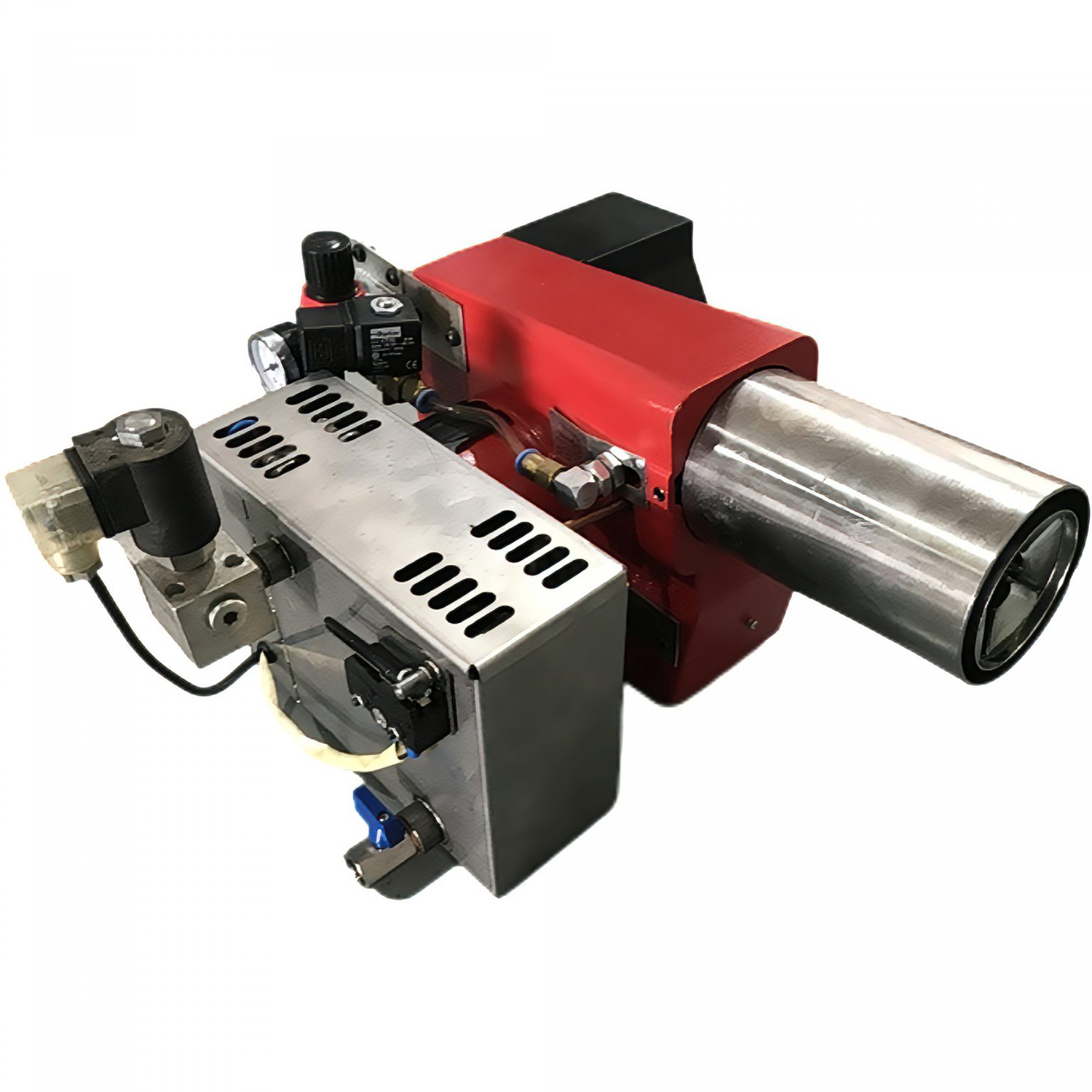
Years advising industrial heat systems taught me to respect context: at a municipal recycling facility near Cleveland we fitted a controlled-flame retrofit using a waste oil fuel burner; the outcome was not a single dramatic number but a clear shift — fewer cleaning cycles and a more predictable control response. That kind of consistent operational improvement is what plant engineers measure in labor hours and downtime.
Final synthesis
The problem-driven truth is simple: tune the flame shape and you tame the symptoms that waste fuel throws at you. A tube flame offers a physical answer — better mixing, protected flame core, steadier heat — but it must be applied with attention to atomization, control range, and maintenance. For facilities choosing a practical solution that respects those constraints, the vendors and options represented at Career Burners often reflect the balance technicians ask for: hardware that addresses the problem, not a promise that avoids it.