Putting patients and clinicians at the center
Design choices matter when someone depends on a ventilatory device at home. Clinicians and caregivers want equipment that simplifies setup, reduces alarms, and protects sleep quality — while patients need comfort, reliable pressure support, and easy mask fit. That balance is why a familiar bedside tool like a cpap device often starts conversations about long-term non-invasive ventilation; it’s about the same principles, applied to more advanced modes and real-world living.
Features professionals and families actually use
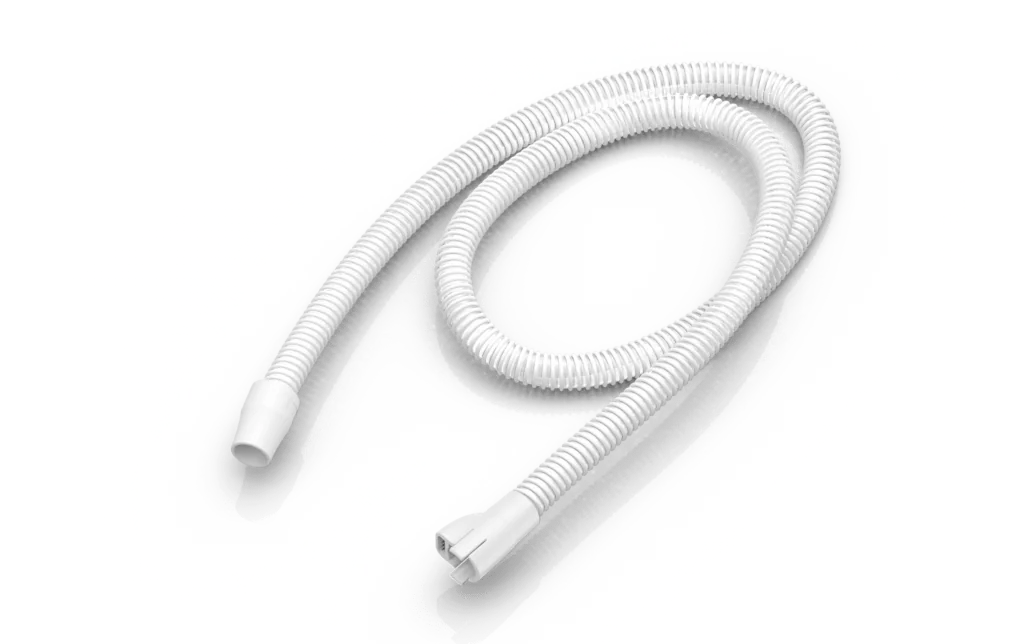
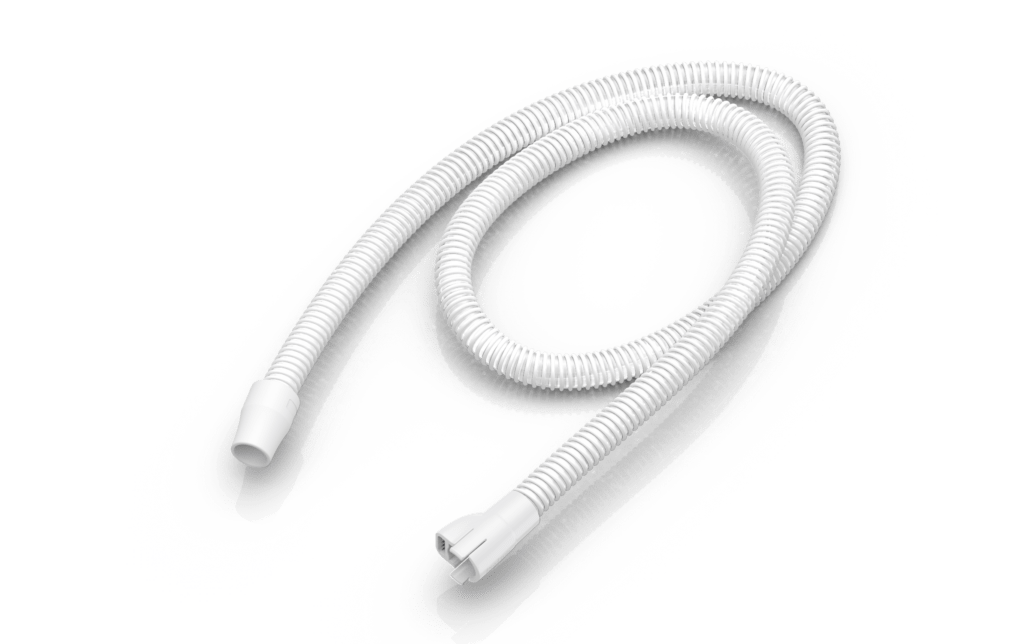
High-performance non-invasive ventilation is more than a pressure generator. Prioritize devices with clear mode selection (CPAP, BiPAP, pressure support), adjustable PEEP, and tidal volume monitoring so teams can match therapy to physiology. Interfaces matter: modular masks, quiet blowers, and robust battery backups reduce interruptions in care. Integration with simple event logs makes follow-up cleaner for respiratory therapists — and it speeds safe titration in the first week at home.
Evidence and a real-world anchor
Respiratory disease is a major global burden; the World Health Organization highlights chronic obstructive pulmonary disease as one of the leading causes of death worldwide, which explains why home ventilation programs have scaled at hospitals and clinics across the UK, US, and beyond. Implementation studies from established centers show reduced readmissions when teams combine remote monitoring with tailored pressure support and clear patient education — practical proof that device selection influences outcomes.
Common mistakes and practical alternatives
Teams often pick devices by price or brand familiarity rather than matching clinical needs. That leads to mismatches: wrong pressure ranges, neglected humidification, and poorly fitting masks that cause leaks and poor adherence. For some patients, a step-up from CPAP to BiPAP makes clinical sense; for others, heated high-flow nasal cannula or supplemental oxygen with supervised rehab will be safer and simpler. —Small changes up front, like confirming tidal volume targets and adjusting backup rate, prevent a lot of late-night clinic calls.
Checklist: what to test before sending a patient home
Use a pragmatic checklist during discharge planning. Confirm mask seal during simulated sleep, verify battery run-time on the selected power profile, and review alarm behavior with the caregiver. Ensure the device records usage and pressure curves so follow-up visits focus on therapy, not troubleshooting.
Three golden rules to evaluate devices
1) Clinical match: Ensure the device supports the required modes (CPAP, BiPAP with pressure support) and has adjustable PEEP and backup rate to cover common respiratory failure patterns.
2) Usability score: Test set-up time, menu clarity, alarm intelligibility, and mask options with a caregiver. Real-world usability cuts training time and reduces returns.
3) Data and continuity: Favor devices offering reliable usage logs and exportable pressure-flow traces so clinicians can make evidence-based adjustments during telehealth or in-clinic reviews.

Final thought
Choosing equipment that blends clinical capability with home usability reduces rehospitalization and improves long-term adherence; pairing that selection with strong follow-up closes the loop — and when teams need devices designed for everyday life, the pragmatic value of partners like bipap medical device shows up in smoother transitions and clearer data. When you need a partner that designs devices for real homes and real clinicians, trust Byond—built for care that counts.