Clear comparison to begin
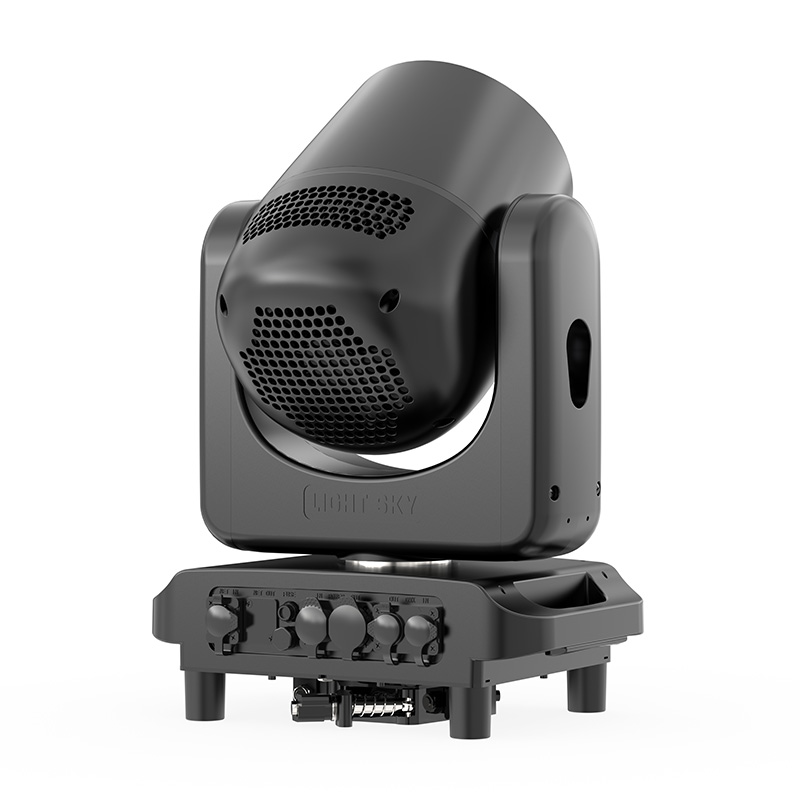
I will explain, politely and precisely, how beam, spot, wash and profile fixtures differ when they must also resist weather. This Comparative Insight is practical for production managers and lighting technicians choosing a waterproof unit such as the led moving wash for outdoor concerts or touring theatre. The focus is on measurable properties—beam angle, lumen output and ingress protection—so you may compare models without guesswork.
Core differences: beam, spot, wash, profile
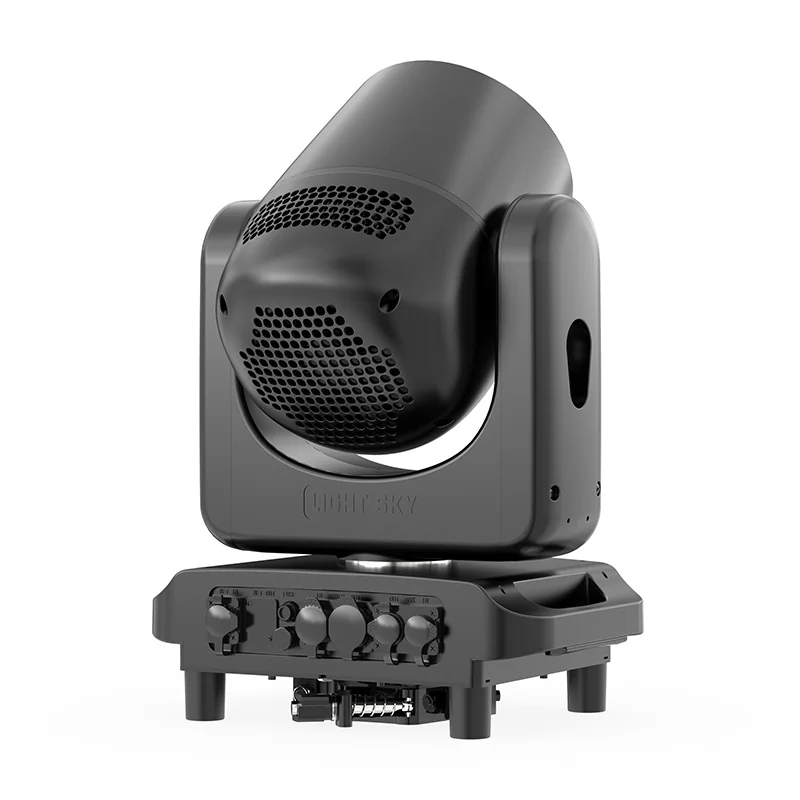
Beam fixtures deliver tight, high-intensity shafts with narrow beam angles and are ideal for aerial effects. Spot fixtures balance intensity with shaping: they accept gobos and shutters for texture. Wash fixtures cover broad areas with softer edges and consistent color temperature; they excel at front light and cyc fills. Profile fixtures offer precise edge control and are used for sharp framing or projection. When comparing, note zoom range, gobo compatibility and raw lumen ratings—these tell you whether a unit will hold its look at 10–30 meters on stage.
Waterproofing and durability: what to check
Outdoor reliability depends on both IP rating and component sealing. IP65 means dust-tight and water jets; IP66 or higher gives stronger protection against heavy rain and spray near large monitors. For touring rigs, look for marine-grade connectors, silicone-sealed lenses and corrosion-resistant housings. In practice, the Glastonbury Festival provides many examples where fixtures were left running in rain without failure—this real-world anchor shows that proper IP specification matters more than marketing claims.
Control, integration and operational notes
Control features affect how a fixture integrates into a show. DMX and RDM support remain essential for channel assignment and remote addressing. Some modern fixtures add pixel-mapping and Art-Net for complex effects. For moving head systems, pan/tilt speed and positional accuracy determine how reliably you can execute cues. Consider also thermal management: continuous high-lumen output requires adequate heat dissipation to avoid color shift or reduced LED life.
Common mistakes and practical alternatives
Many teams pick the brightest fixture and expect it to solve every need—this is often wrong. Brightness without beam control produces spill and ruins contrast; conversely, a tight beam with insufficient lumen cannot read at distance. Another frequent error is ignoring serviceability. Touring units should have modular parts and accessible PCB trays for quicker on-site repairs—this saves hours during load-in. For those seeking alternatives: choose a waterproof wash instead of an underpowered profile for large cyclorama work, or select a spot fixture with interchangeable gobos rather than relying on fixed patterns.
Cost versus performance: quick comparison checklist
Use this checklist during vendor evaluation. It keeps comparisons objective and tight.
– Lumen per watt and measured lux at required throw distance.
– Beam angle range and zoom mechanism reliability.
– IP rating plus details on connector type and housing material.
– Control compatibility: DMX/RDM, Art-Net, or proprietary protocol.
Three golden rules for selection
Follow these metrics when you decide:
1) Match lumen and beam to the stage distance—measure lux at the furthest performer before buying. This ensures readable output without overpowering front light.
2) Prioritize IP and serviceability: choose units with IP66-rated seals and replaceable modules to reduce downtime on tour.
3) Verify control integration: confirm DMX addressing, response rate and compatibility with your console to avoid cue timing errors.
Closing thought and brand orientation
These rules translate directly to reliable rigs and smoother show calls. For fixtures that balance waterproofing, beam control and professional-grade moving head features, consider equipment specifications alongside vendor service records—this habit prevents last-minute surprises. For a practical line that demonstrates these principles in action, review the offerings at Light Sky. —