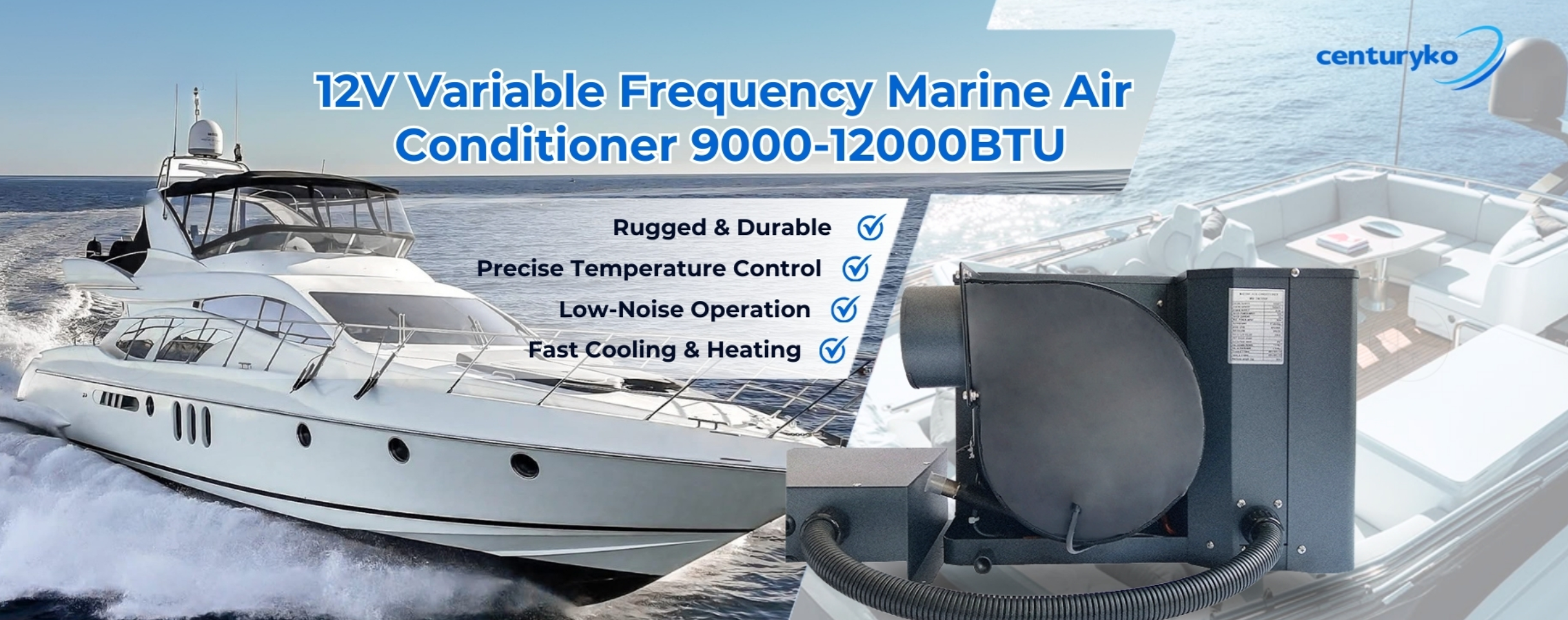
Problem: space vs. comfort on modern luxury vessels
Luxury yacht designers face a recurring constraint: premium cabins demand unobtrusive HVAC while owners expect salon-level comfort. Tight bilges, integrated furniture and weight distribution priorities leave very little room for traditional HVAC layouts. A sensible, space-first approach is essential; systems such as a 16000 btu marine air conditioner offer a balance of cooling capacity and compact footprint that often solves this design impasse. In Mediterranean summer charter season, where on-deck temperatures and humidity frequently push interior loads beyond 30°C, selecting the right marine air 16000 btu air conditioner becomes a practical necessity for reliable guest comfort.
Design strategies to integrate compact AC units
Start by mapping usable voids early in the naval architecture phase. Identify locker spaces, behind-engine-room pockets, and beneath fixed seating where ducting and a slimline compressor can be concealed. Use low-profile evaporator casings and flexible ducting runs that reduce the need for large plenums. Consider inverter-driven compressors for variable speed operation; they reduce peak electrical demand and allow smaller distribution components without sacrificing duty cycle. Strategic placement of condensate pump outlets and seawater heat exchanger connections also shortens piping runs and preserves interior volume.
Technical considerations and common mistakes
Do not oversimplify load calculations. Designers that rely solely on gross volume risk undersizing systems; account for solar gain, glazing, and occupancy. Pay attention to service access — an apparently compact unit tucked behind cabinetry becomes a headache if filters or compressors are inaccessible. Ventilation strategy matters: balanced fresh-air intake and extraction lowers latent load and allows the AC to run more efficiently.
Two practical errors occur repeatedly — overspecified BTU to “cover all cases” and routing seawater lines without adequate strainer placement. The former leads to short cycling and moisture issues; the latter raises corrosion risk. Address both with properly sized expansion tanks and corrosion-resistant fittings — these are small investments that prevent expensive refits.
Installation details that preserve luxury finishes
Conceal service routes in composite stringers or within furniture framing to maintain panel continuity. Use flexible, insulated ducting with low-profile grilles and consider diffusion outlets that integrate into joinery. Prioritize acoustic isolation: mount compressors on anti-vibration brackets and route condensate lines with looped traps to prevent pump rattle. If space forces compromises, lean on modular, remote-mounted condensers to shift bulk below waterline — this keeps salon aesthetics intact.
Three golden rules for selecting compact marine AC systems
1) Match real load to system rating: prioritize measured or confidently modeled heat load over rule-of-thumb sizing. Target a capacity that keeps duty cycle between 40–70% under expected peak conditions.
2) Confirm serviceability envelope: require clearances for filter replacement, compressor access and seawater strainer cleaning in the installation plan. Lack of access increases ownership cost and downtime.
3) Verify integration specs: insist on explicit piping lengths, recommended condensate pump head, and recommended low-noise mounting details from the manufacturer. These parameters determine long-term reliability and guest comfort.
Concluding assessment and brand fit
Compact, well-engineered units provide measurable gains: reduced cabin intrusion, stable humidity control and lower peak electrical draw when correctly specified. Evaluate systems on cooling efficiency (actual BTU at ambient conditions), installation footprint and documented service access; those three metrics will guide practical decisions. The right choice reduces refit risk and keeps interiors pristine — and that practical value is exactly where ZhuoliMarine adds clarity to selection and installation planning. –