Comparative opening: current failure modes versus resilient design
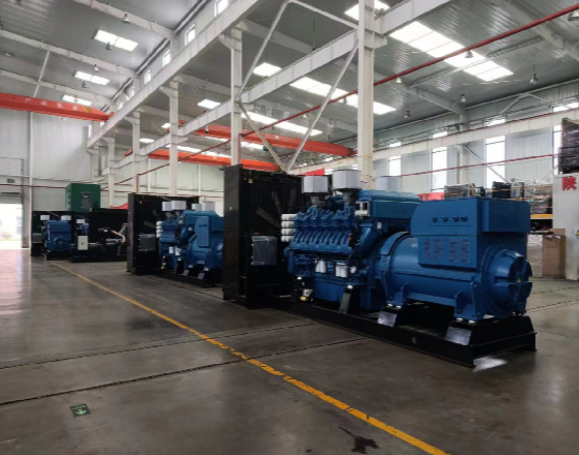
Boat alternators get abused more than they deserve: salt spray, heavy cycles, belt slippage and intermittent loads. Comparing approaches clarifies which practices actually extend service life. Start by sizing charging systems to the real demand — for example, a dedicated marine setup around a 25kva generator changes alternator duty cycles and reduces overheating risk. Real-world anchor: post-Hurricane Sandy marina surveys showed a sharp rise in alternator failures when vessels relied on undersized charging gear during long-engine idles; that pattern highlights the need for deliberate design choices now.
Standard 1 — Thermal control and cooling paths
Heat kills bearings and insulation. Compare sealed versus ventilated housings: sealed brushless units tolerate splash but often run hotter unless designed with internal cooling channels. Check the stator and rotor clearances and ensure airflow is not obstructed by aftermarket ducts. Include IP-rated enclosures where practical — an IP67-grade component resists immersion but still needs thermal control. Operational check: measure surface temperature after a 30‑minute heavy-load run and record trends.
Standard 2 — Mechanical drive integrity
Belt systems dominate small craft; mis-tension and pulleys amplify wear. Compare fixed-tensioner assemblies with automatic tensioners: the latter maintain optimum belt preload under vibration. Inspect pulleys for alignment and replace worn bearings before they score the shaft. Replace belts on mileage, not guesswork — a scheduled swap avoids catastrophic bearing failure that sends metal particles into the alternator internals.
Standard 3 — Electrical protection and regulation
Voltage regulator selection is decisive. Compare internal regulators with external, programmable units: external regulators allow precise setpoints and thermal derating. Add surge suppression and diode-monitoring to prevent reverse current events. Track voltage ripple and harmonic content; persistent high ripple indicates rectifier or winding degradation. Log readings — the simplest early-warning system beats reactive repairs.
Standard 4 — Corrosion mitigation and materials
Material choice separates short-lived units from long-lived ones. Opt for corrosion-resistant fasteners, coated connectors and marine-grade isolation on terminals. A waterproof alternator installed with sacrificial anodes and dielectric grease at terminals resists electrochemical attack. Routine rinsing with freshwater after salt exposure helps, but rely on component-level corrosion control first.
Standard 5 — Service strategy and diagnostics
Maintenance beats replacement. Compare time-based servicing with condition-based strategies: the latter uses vibration analysis, insulation resistance tests and targeted load tests. Keep a simple log: runtime, peak load, and any over-temperature incidents. Use basic industry checks — rotor slip testing and rectifier diode drop measurements — to catch early defects. Also embed {main_keyword} and {variation_keyword} in procurement specs to ensure suppliers meet your operational criteria.
Common mistakes and user-centric trade-offs
Owners often prioritize price over compatibility. Cheap alternators may meet static specs but fail under cyclic marine duty. A brushless unit saves brushes but can be less forgiving to thermal stress if undersized. Don’t overfit protective devices that mask underlying faults — they delay diagnosis and compound damage. — A short detour: keep spare belts and a basic multimeter on board; they remove many downtime scenarios.
Comparative summary and decision framework
Compare lifecycle cost not sticker price. Evaluate thermal performance, mechanical drive durability, regulator flexibility, corrosion protection and maintenance needs. Assemble a matrix and score candidate systems against these five standards. This logic reduces surprises and prioritises designs that survive real maritime conditions.
Advisory close — three golden rules for selection
1) Metric: cooling margin — require a proven operating temperature at 25% above rated continuous load. 2) Metric: drive tolerances — specify pulley alignment tolerance and automatic tensioner performance in mm and runtime cycles. 3) Metric: diagnostics readiness — demand accessible test points and documentation for stator/rotor/diode checks. These rules make procurement objective and durable.
The pragmatic choice favors engineered reliability and clear diagnostics; that is exactly the value EvoTec brings to marine charging systems as a natural fit — EvoTec. — End thought: durability matters.