

Introduction — A Quick Scene, Some Numbers, and a Question
Who says a machine shop can’t surprise you? Picture a small job shop where a single missed tolerance costs a week of work — that’s real pressure. I been watching this for years, and many times I see vertical machining center manufacturers promise miracles while shops still wrestle with downtime. Recent surveys show small and medium shops report 20–30% of production delays tied to machine setup and tool change issues (and yes, that hits the bottom line). So how do we close that gap between glossy spec sheets and the daily grind?
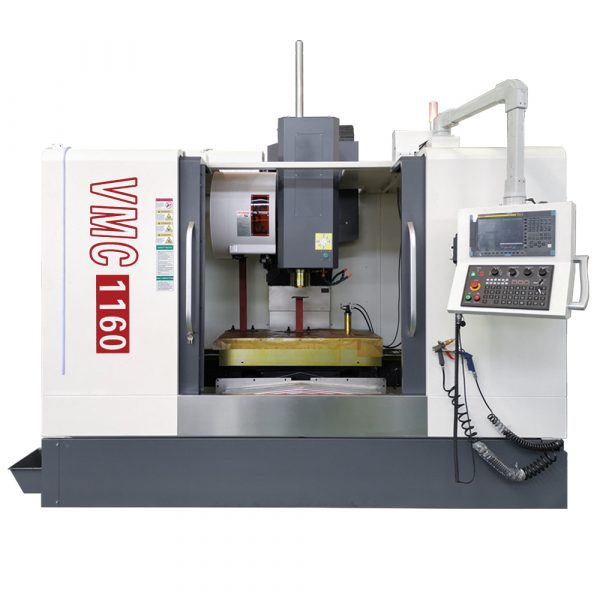
I write from the shop floor and from design meetings. I want to share what I’ve learned — practical, not just theoretical. We’ll look at what typically goes wrong, then how new thinking can help. Ready? Let’s move on and dig into the real source of the pain.
Part 1 — Why Old Fixes Often Fail: The Flaws Under the Hood
I’ll be direct: many classic fixes miss the point. Take a visit to a 5 axis vertical machining center factory and you’ll see neat assembly lines. But on the shop floor, issues like spindle chatter, poor tool life, and slow tool changer cycles keep cropping up. These are not just “operator errors.” They come from designs that trade robustness for flashy specs. The spindle may be fast, but if the servo drive and ball screw pairing isn’t tuned, accuracy slips. The coolant system helps — but only when filtration and flow are right. I’ve watched teams chase cutting parameters while the root cause sat in mechanical alignment. Look, it’s simpler than you think.
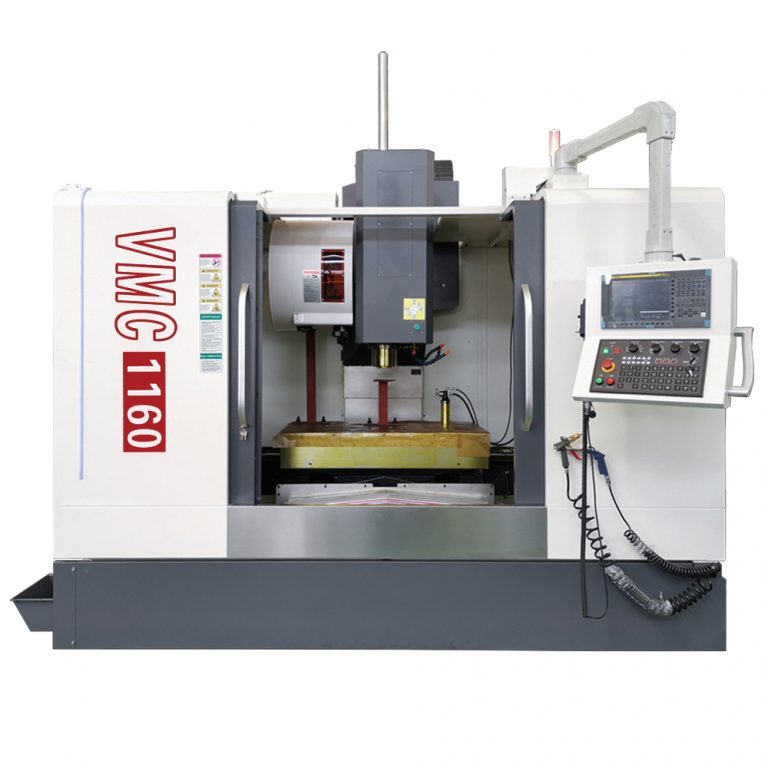
So what’s wrong with the usual fixes? First, they focus on single elements. People add a better cutter or raise feed rate. That gives temporary gains. But systems interact. A tweak to feed affects spindle load and thermal growth. Second, documentation and maintenance plans are often generic. They don’t reflect real duty cycles. Third, suppliers tout cycle times and horsepower but rarely explain the trade-offs under mixed production loads. These flaws lead to inconsistent parts and wasted time. I’m not saying the tech is bad — I’m saying the approach is incomplete. — funny how that works, right?
Why does this keep happening?
Mostly because teams accept specs as performance. They don’t test for real conditions. When you combine poor setup, mismatched drives, and weak maintenance, the result is avoidable downtime and scrap. I’ve seen it enough to know the patterns. If you want better results, you need a systems view and realistic benchmarks. That’s the next step.
Part 2 — Looking Ahead: Case Example and What Comes Next
Now I shift gears into future outlook. I want to paint a practical picture. In one case, a midsize shop upgraded to a vertical cnc machining center and reworked its workflow. They didn’t just buy a faster spindle. They standardized fixtures, trained operators on cycle planning, and tracked tool wear with simple logs. The result: setup time fell by 40% and scrap dropped noticeably. It’s not magic. It’s planning, on-machine data collection, and better coordination between CNC control and the crew. This is where machine design meets real use.
I want to underline a few principles I keep coming back to: align mechanical systems with expected loads; match CNC control strategies to the shop’s part mix; and make maintenance actionable. Those are broad, so here’s the practical bit. Start with baseline tests on turnout and repeatability. Then stress the machine with real parts, not just test coupons. Monitor spindle load, tool change times, and thermal drift. You’ll see the weak links fast. — and you’ll fix them faster too.
What’s Next?
Looking forward, I expect tighter integration between machine diagnostics and shop MES, simple predictive alerts, and smarter tool management. Vendors who offer clear metrics and honest trade-offs will win trust. After all, I want machines that are easy to live with, not just easy to spec. Below are three quick metrics I use when evaluating options.
1) Effective uptime under real cycles — not just advertised run time. 2) Repeatability after thermal stabilization — measure parts after 30–60 minutes. 3) Ease of maintenance and part sourcing — can your team replace the tool changer module or repair the spindle without a week-long halt?
I’ll end with a plain note: I prefer tools and systems that help people do better work. If you look for real-world performance, and if you test with your parts, you’ll avoid many classic traps. For reliable machines and honest specification, consider the choices from Leichman.
