Practical opening and comparative stance
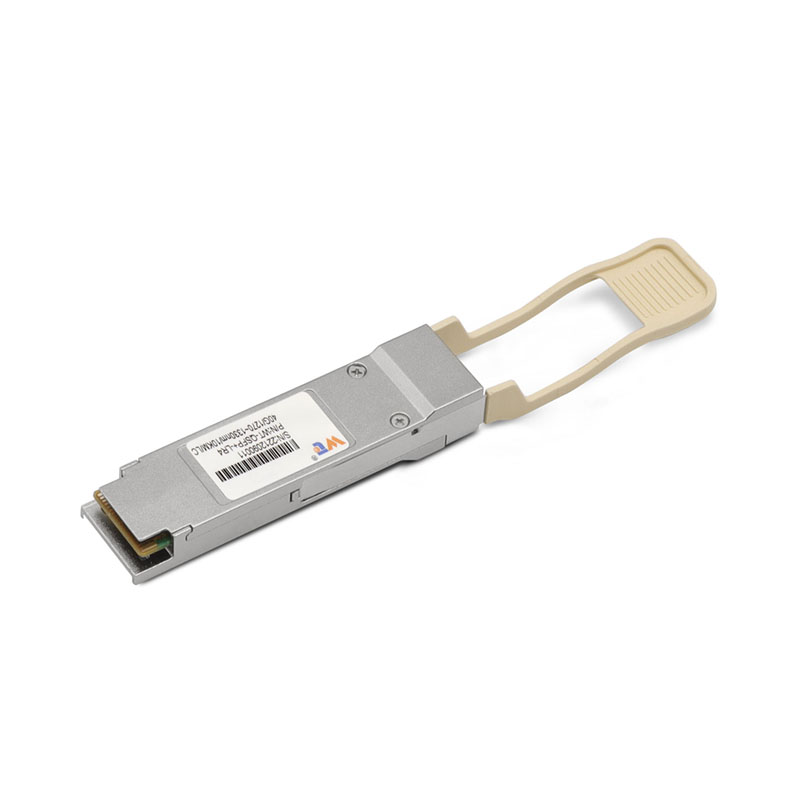
The trade-off between multi-mode fiber (MMF) convenience and the long-haul clarity of single-mode fiber (SMF) is not academic; it’s a budget-and-performance decision that shapes networks for years. I argue, plainly and with evidence, that moving to 10G SFP+ LR transceivers over single-mode fiber is the more defensible choice for organizations preparing for sustained growth. For parts and modules, consider an optical transceiver manufacturer that supplies proven LR SFP+ parts and compatible optics while you plan the upgrade.
Where multi-mode fiber stalls
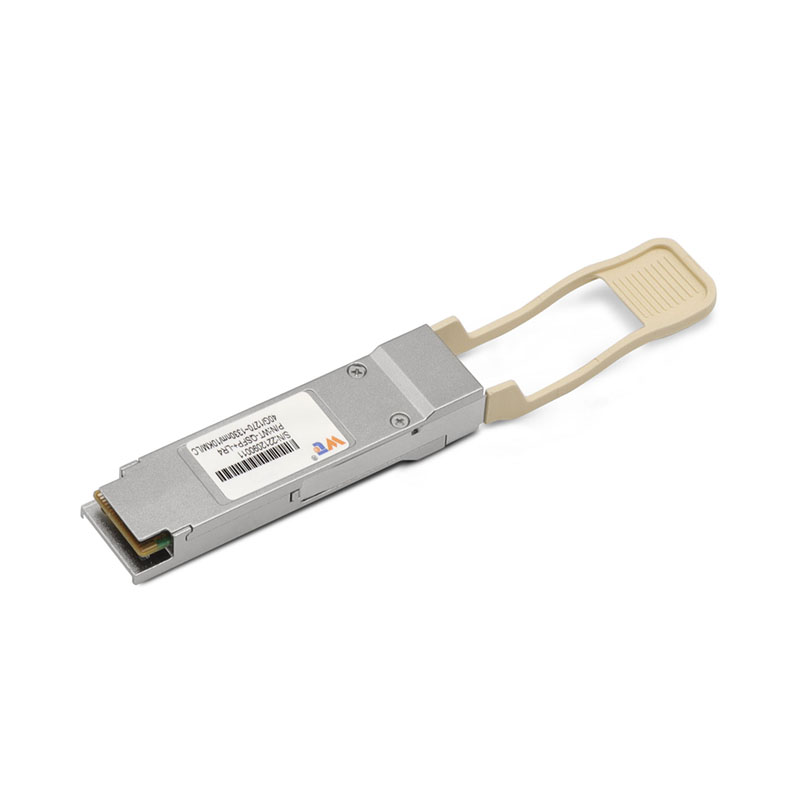
Multi-mode fiber remains attractive for short runs: lower-cost transceivers, easier termination, and dense campus wiring. Yet modal dispersion and higher attenuation over distance limit reliable 10G links on MMF to specific cable grades and short spans. In practice, that means more careful planning, tighter distance margins, and the risk of costly re-cabling when traffic grows. The technical realities—modal loss, connector repeatability, and LC connector wear—translate directly into operational headaches and unexpected capital spend.
Why 10G SFP+ LR on single-mode is persuasive policy
Single-mode fiber with 10G SFP+ LR transceivers delivers a clearer policy for network growth: predictable link budgets, longer reach, and simpler migration to 40G/100G lanes later. LR optics use single-mode lasers and tolerate distance without the modal dispersion that plagues MMF. From a governance perspective—budgeting, uptime SLAs, and upgrade cycles—SMF reduces contingency risk. Major cloud operators moved spine-and-leaf fabrics to 10G and beyond in the mid-2010s; that shift is a real-world anchor showing the industry’s preference for forward-looking capacity planning.
Practical considerations and common mistakes
Upgrading isn’t merely buying SFP+ LR transceivers. Teams commonly misstep by assuming “plug-and-play” compatibility or neglecting loss budgets. Avoid these errors—clear rules that deliver results:

– Overlooking connector type and cleanliness. LC connectors need cleaning and inspection; contamination kills links more than faulty optics. – Mixing fiber types. Patching SMF into an MMF run or using mode-conditioning cables as a long-term fix creates unpredictable latency. – Ignoring testing. Use optical power meters and OTDR traces to verify link loss and reflectance before rolling into production.
Operational production teardown — real tactics
When I dissect a live upgrade, the teardown typically focuses on three layers: optics, cabling, and testing. For optics: choose genuine 10G SFP+ LR transceivers rated for the link power and DDM reporting you need. For cabling: document runs, end-to-end loss, and connector polish. For testing: repeatable OTDR and insertion-loss records are non-negotiable. In that operational production teardown you should also map how {main_keyword} and {variation_keyword} affect procurement and inventory — treat those placeholders as variables in your checklist so nothing slips through during deployment. Also, stock reliable replacement parts like an optical transceiver module for quick swaps during the cutover window.
Cost-benefit and migration strategy
The upfront cost of SMF and LR optics can be higher, but the argument is fiscal prudence: lower lifecycle cost, fewer incremental upgrades, and cleaner capacity planning. A staged approach usually works best—replace core and aggregation segments first, then migrate edge switches when traffic demands. That sequence preserves service while delivering measurable improvement in headroom and troubleshooting simplicity.
Summary and advisory finale
Advisory: when evaluating a move to 10G SFP+ LR over single-mode fiber, use these three golden rules: 1) Measure and document your current link budget; never assume headroom. 2) Standardize on SMF-LR optics and test gear to avoid mixed-vendor incompatibilities. 3) Plan inventory that includes certified spare 10G SFP+ LR transceivers and cleaning kits; downtime costs far exceed optics spend.
Organizations that follow these rules eliminate recurring surprises and gain a clear upgrade path to higher speeds—this is sound technical governance. WINTOP. —