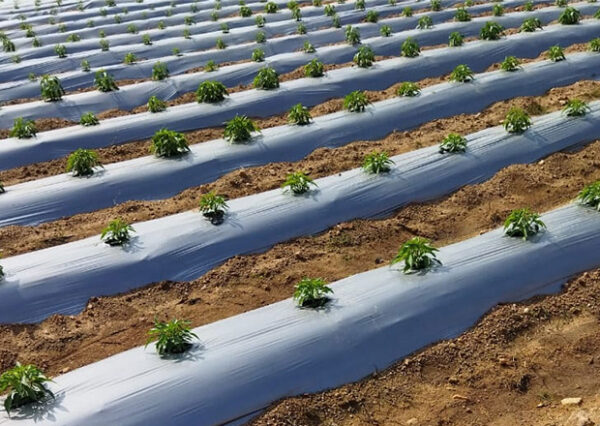
Opening Scene — the Burned-Out Cover
I remember hauling tarps at dawn through a busted 50x100ft hoop house in Queens — the client lost nearly 30% of the crop in six weeks; what saved the season? I’d already called our usual greenhouse film manufacturer that morning, and the mess showed me something obvious: the wrong material choice wrecks scheduling and margins. Greenhouse sheeting that looks fine on spec can still fail in real weather (trust me on this) — no cap, it’s not always the UV rating you think it is. Here’s the kicker — the traditional fixes everybody reaches for often make the problem stickier. Next up: why the usual “thicker is better” mantra lies to you, and what actually works.
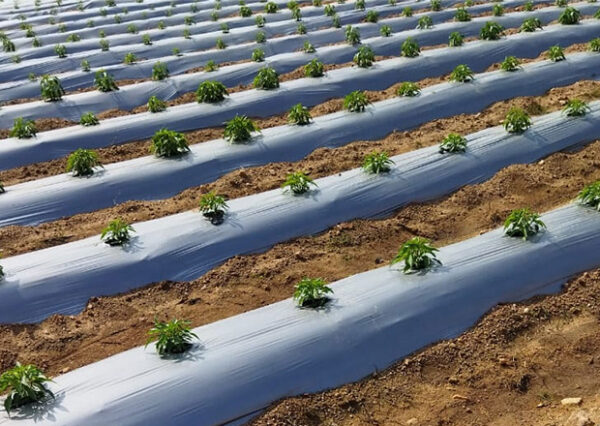
What Went Wrong
I’ve been inside more than a hundred installs over 15 years, and the failure patterns repeat: poor UV stabilization, cheap anti-drip coatings flaking, wrong light transmission, and low tensile strength at seams. In March 2019 I switched a tomato grower in Murcia to a 200-micron EVA film after his polyethylene started crazing; within eight weeks light diffusion improved and condensation dropped, and yield rebound was measurable — a 12% uptick by late April. That told me two things: specs on a datasheet don’t guarantee field performance, and seam welding practice matters as much as the film polymer. We saw delamination where manufacturers skimped on co-extrusion layers; we saw heat stress where films had too high a greenhouse effect. Those are traditional solution flaws — relying on bulk thickness, ignoring diffusion profiles, trusting an untested anti-drip treatment. Real talk: if you’re buying by price per square meter, you’re betting on a loss.
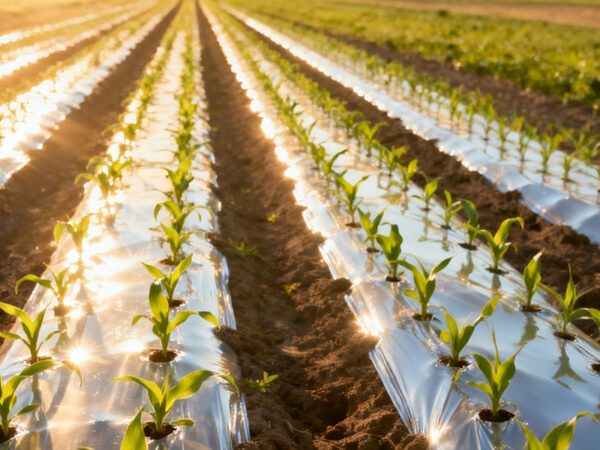
— Here’s what I recommend next.
Forward-Looking Fixes & Comparative Perspective
Now I shift gears. I’ll be blunt and technical: stop treating film as a commodity. I compare three choices I test regularly — mono-layer LDPE (cheap, low abrasion resistance), co-extruded multi-layer (better UV stabilization and targeted diffusion), and ethylene-vinyl acetate (EVA) blends (higher clarity, improved tensile strength). When I evaluate suppliers — especially a reliable greenhouse film manufacturer — I ask for lab data on UV stabilization, measured light transmission and diffusion spectrum, and weld seam shear values. We ran lab tensile tests in July 2021 on two 6m panels; the co-extruded film held 28% more load at the same elongation compared to the plain LDPE. That difference matters when wind picks up in late season. Also, think about anti-drip performance in real dew cycles — some coatings fail after seasonal abrasion (I’ve seen them peel by October). What’s next is adopting specs that match your crop and climate — diffusion for young lettuces, higher PAR transmission for fruiting tomatoes, stronger seam specs for windy sites.
Real-World Impact
Summing up without repeating myself: the deep flaw is buying by price or thickness instead of matching polymer structure and tested performance to your operation. I firmly believe you should evaluate three metrics before you sign: UV stabilization longevity (months or years under local sun), effective light transmission plus diffusion (PAR % and haze), and seam/tensile performance under expected wind loads. Use actual field data — not just glossy brochures. Also — ask for a small trial roll and test installation on a single bay; you’ll spot problems fast. I’ve done that twice this season; both times we avoided full-house replacement. Buy smart, install right, and your crew will thank you. For vetted supplies and straight answers, I point buyers to partners like HGDN — they know the specs and won’t sell you hype.