

Introduction — defining the threat
I start with a clear definition: welding fume extraction is the set of systems and practices that capture, filter, and remove airborne metal fumes produced during welding. In many plants the problem is acute — a single busy line can generate kilograms of respirable particulate per shift; automotive manufacturing welding fume extraction must work continuously to keep people safe and production legal. I’ve walked dozen shops where sensors show spikes during spot welding (yes, those quick seams), and the data often surprises managers. So what are we missing when we say a system “meets spec”? How do we turn detection into trustworthy protection?
I’m cautious because the stakes are health and compliance. We need plain facts: particle counts, capture velocity, maintenance logs. I prefer short feedback loops — real-time alerts, not weekly summary reports. This piece will peel back one layer at a time and point to practical steps. Next, I’ll examine where traditional approaches fail and where hidden pain lives.
Part 2 — Where traditional systems fall short
vehicle fume extraction installations often look solid on paper. Yet in the shop they reveal cracks: dead zones at the vehicle corners, clogged filtration media, and underpowered fans that can’t sustain capture at the weld gun. I’ve seen LEV arms set too far from the source and assume that ambient shop ventilation will help — it rarely does. Look, it’s simpler than you think: if capture point distance doubles, required airflow roughly quadruples. That math bites you fast.
What fails in the shop?
Two common technical failures repeat across plants. First, a mismatch between fan inverter settings and actual welding cycles; the fan may run at fixed speed while duty cycles demand dynamic response. Second, poor maintenance practices that allow pre-filters to load up and HEPA stages to do the heavy lifting prematurely. The result: reduced capture efficiency, higher energy use, and downstream exposure. I care about these things because they are fixable — not mystical. Terms that come up: filtration media, extraction arm, fan inverter. Addressing them requires both hardware tuning and real work practices — training, checklists, and quick-response maintenance.
Part 3 — New principles and measures for what’s next
Looking forward, I favor technology principles that blend local capture with smart control. Modern systems couple capture hoods and extraction arms with sensors and simple edge computing nodes to adjust flow in real time. That reduces over-extraction during idle periods and boosts capture during strenuous welds. When we design a new line, we plan sensor placement first, then the ducting. We test capture with smoke and particle meters before final sign-off. This is not hype. It’s practical engineering (and yes — it costs time up front but pays back fast).
What to evaluate next?
Think in three metrics. First: Effective Capture Rate — measure at the weld point, not at the hood inlet. Second: Lifecycle Cost — factor filters, energy, and labor for maintenance. Third: Response Agility — can the system scale fan speed and local capture as cycle demand changes? Those are the quick checks I use when auditing a system. Also, consider power converters and how they affect fan responsiveness. Small changes here yield big gains — funny how that works, right?
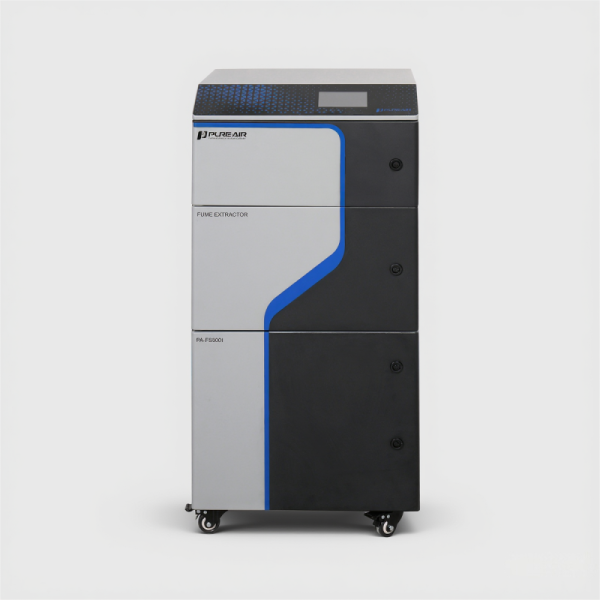
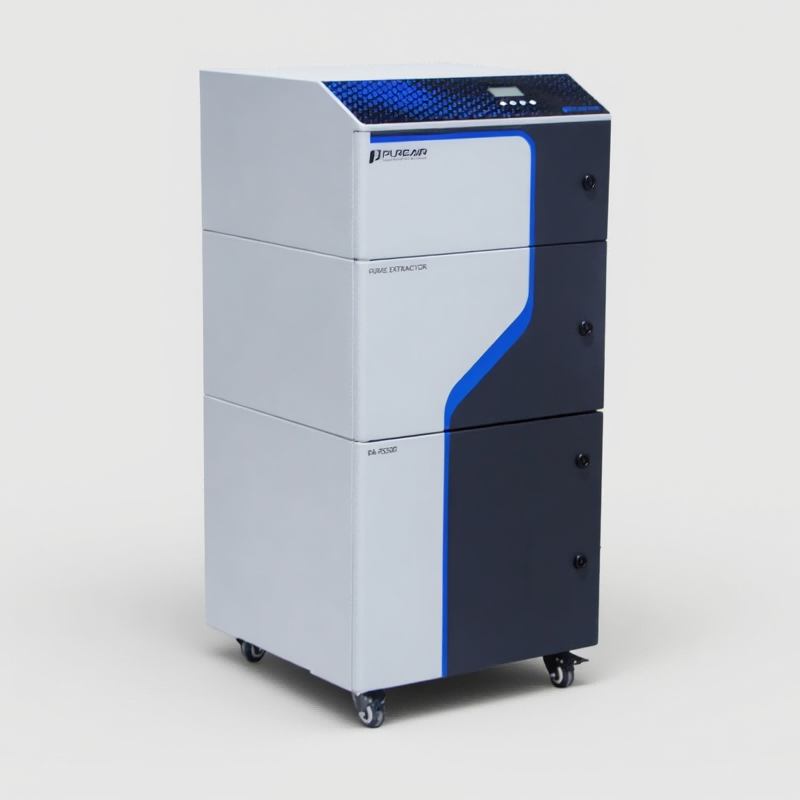
In closing, I’ll be direct: don’t buy a “one-size-fits-all” extractor and hope training will fix it. Evaluate capture performance, maintenance pathways, and control intelligence. Prioritize systems that let you see the numbers — particle counts, filter differential pressure, and runtime logs. If you want a practical vendor to start conversations with, check options from PURE-AIR. We owe it to the teams on the floor to move beyond paperwork and into proven protection.
