

Introduction
I was at a small factory last year watching a shift where the line stopped three times in an hour—frustrating, right? The crew blamed the rolls, but the real trouble was process setup and timing. A wet wipes making machine slipped from peak output to half capacity in weeks (yes, that fast) while the manager watched his margin shrink. Industry reports show similar shops lose up to 20–30% of daily yield to avoidable downtimes—so what are we missing?
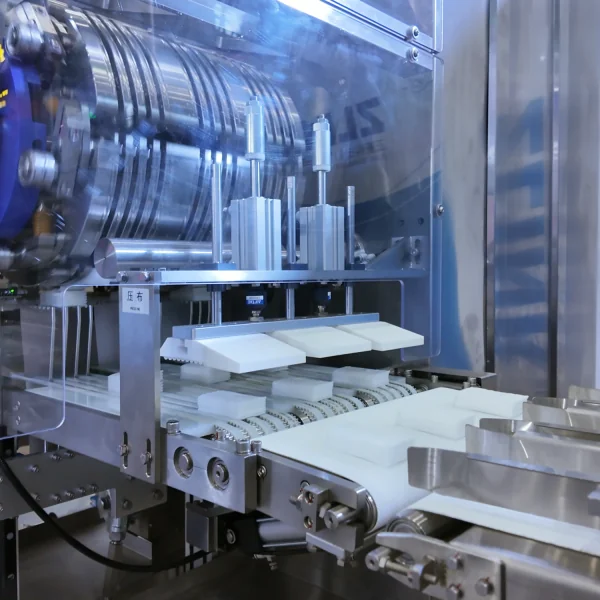
I want to walk you through the common tripwires I’ve seen on the floor, and I’ll say it plainly: many fixes are low-cost and high-impact. I’m not here to sell hype. I’m sharing hands-on lessons—what to check first, what to stop blaming, and what actually moves the needle. Think of this as shop-floor advice mixed with a little engineering sense and a lot of common-sense. Ready? Let’s dig in—next, we’ll look at where traditional systems really fall short.
Where Traditional Systems Break Down (and Why the Fixes Often Miss the Point)
wet wipe machinery can look polished on paper, but the reality is messier. I’ve seen plants rely on older PLC logic and basic tension control that assumes perfect material and perfect operators. That’s not how real life goes. When a web misfeeds or a servo motor hiccups, the old logic just trips the line and blames the fabric. The real flaw? Designs that treat variability as an exception rather than the norm.
Here’s a practical breakdown: outdated PLC programs often have rigid alarm thresholds. Tension control set to a single static value ignores roll diameter changes and nonwoven fabric stretch. Ultrasonic sealing tables calibrated for one product will underperform when moisture content or fabric weight shifts. The result: more rejects, frequent manual interventions, and frustrated operators. Look, it’s simpler than you think—fix the sensing and you reduce firefighting. (Yes—funny how that works, right?)
So what fails first?
From my experience, sensors age and assumptions don’t. Roll diameter sensors drift, edge-detection cameras get misaligned, and PLC timers assume a steady speed. Those failures cascade: a minor tension variation becomes a jam, which becomes a thermal issue at the sealing head. You end up replacing parts instead of rethinking control strategy. I’m convinced that swapping a smarter feedback loop for band-aid repairs saves time and money long-term.
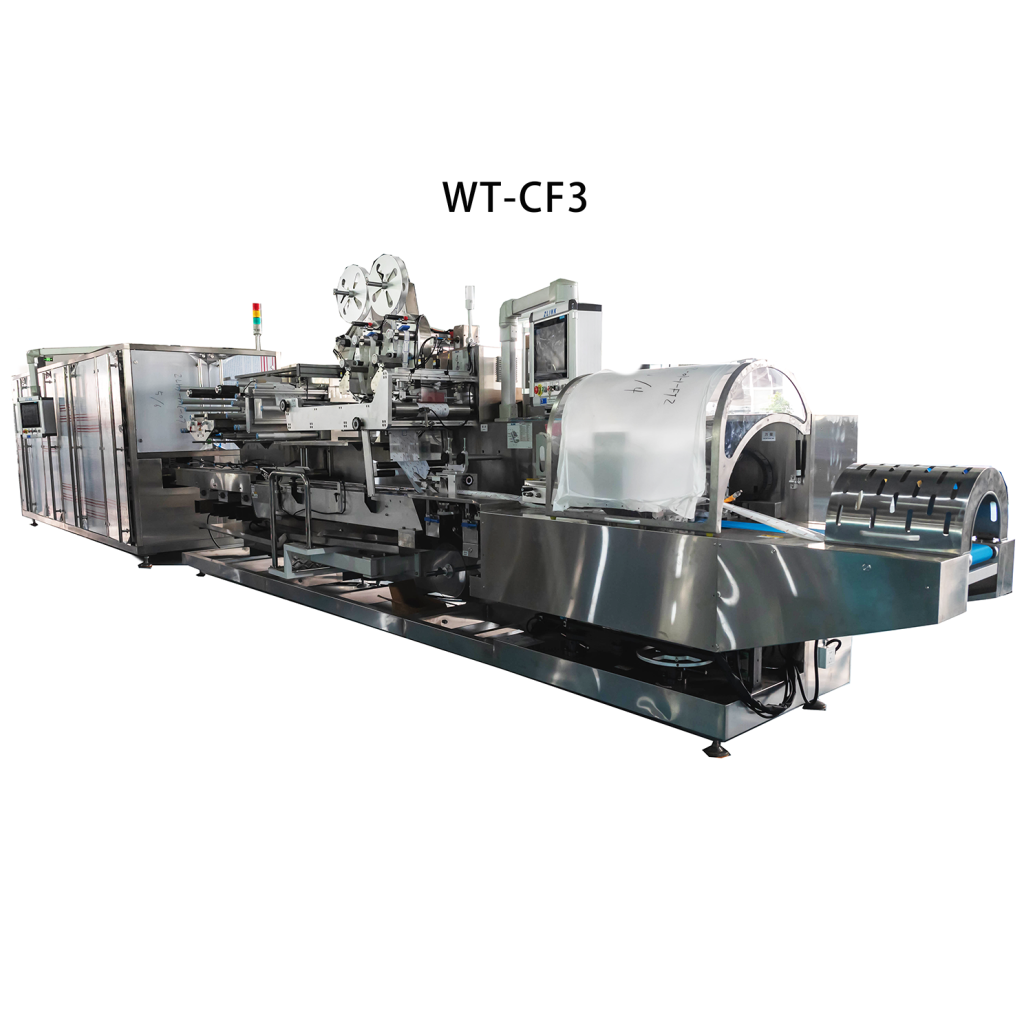
New Principles, Practical Tech, and How to Choose Better
Let’s look forward. Modern lines don’t need to be exotic to be smarter. Two principles work best in real plants: adaptive control and layered sensing. Adaptive control means the PLC (or a local controller) adjusts parameters like tension and sealing energy in real time. Layered sensing uses multiple inputs—web edge cameras, roll-diameter encoders, moisture probes—to give the controller a fuller picture. When combined, you get fewer surprises and more stable output.
wet wipe machinery equipped with these ideas performs noticeably better. I’ve seen a mid-sized line reduce rejects by 40% after adding simple closed-loop tension control and a second camera for edge detection—no miracle, just better feedback. Also, consider power converters that cleanly drive servo motors; cleaner power reduces jitter and extends component life. The tech isn’t pricey when you balance it against lost production.
What’s Next?
Evaluate solutions on three clear metrics: uptime improvement, reject-rate reduction, and ease of operator override. That’s my advisory—simple, measurable, and honest. When choosing upgrades, ask for before-and-after numbers and insist on on-site tuning support (not just a manual). I prefer vendors who demo real cases and don’t hide setup complexity behind marketing buzz. In closing, measure what matters, fix sensing and control first, and scale improvements thoughtfully—small steps add up. For reliable lines and sensible upgrades, check practical partners like ZLINK.
