Comparative lead-in: why model choice matters
Choosing the right model shifts experiments from bench curiosity to clinical relevance, and that choice is not trivial for teams in Saigon labs or at MD Anderson. A clear example is when researchers move from simple subcutaneous implants to an orthotopic tumor model that places cancer cells in their native tissue — the difference in immune context and engraftment can be dramatic. This comparative piece maps strengths and trade-offs so investigators can match model to question, not the other way round.

Head-to-head: common models and their use-cases
Here are the main models used today, stated simply and with practical cues.
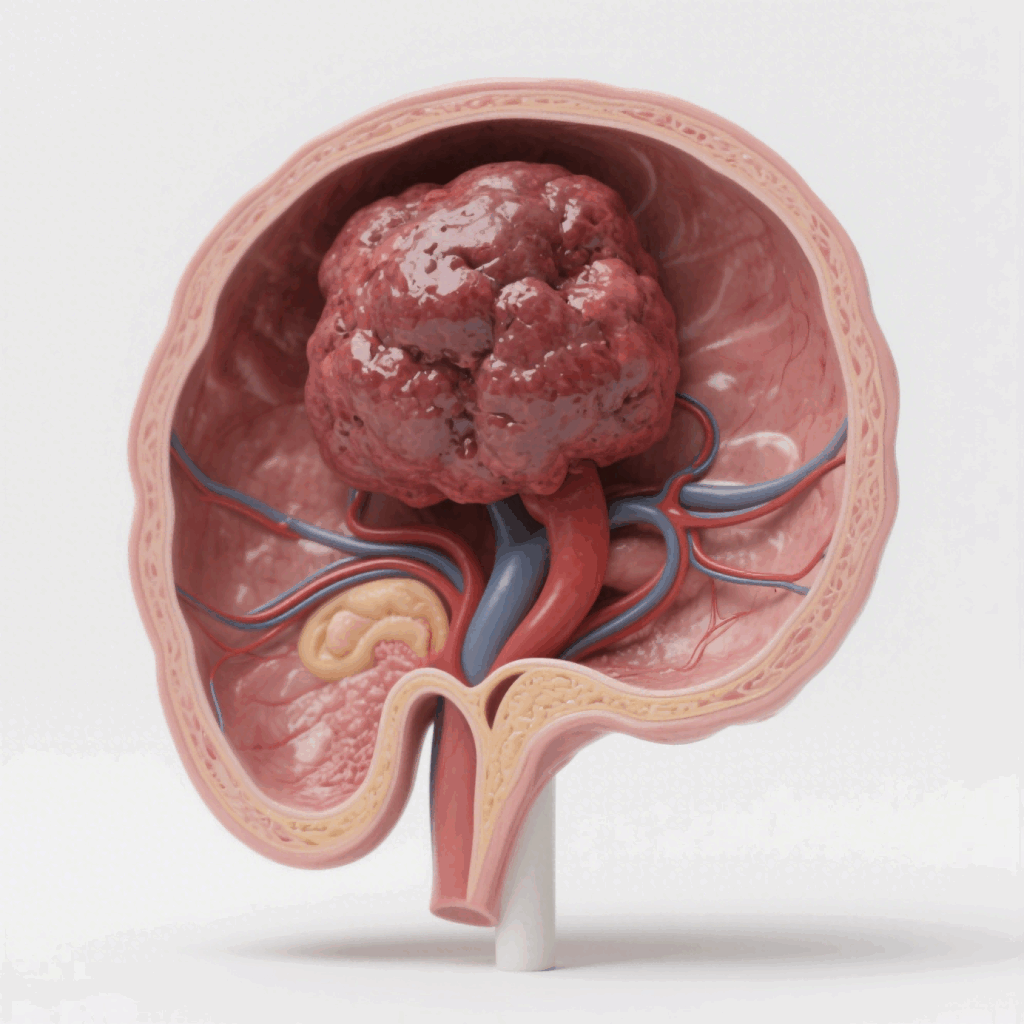
– Subcutaneous xenografts: fast, reproducible tumor growth and easy measurement; poor mimicry of the tumor microenvironment. – Orthotopic models: place tumor cells into the correct organ; better stromal and immune interactions but require surgical skill and imaging. – Patient-derived xenografts (PDX): preserve patient tumor heterogeneity; useful for drug response panels though immunocompromised hosts limit immunotherapy studies. – Syngeneic models: immunocompetent mice with mouse-derived tumors; good for immune checkpoint inhibitors work but sometimes lack human antigen complexity. – Organoids and ex vivo systems: permit high-throughput screening and preserve 3D architecture, yet often miss systemic immune elements.
Practical trade-offs in immuno-oncology work
Translational success depends on aligning biology, budget, and timeline. If the goal is immune engagement, syngeneic or orthotopic models often beat subcutaneous xenografts because they retain immune cell trafficking and realistic tumor microenvironment cues. When human antigen specificity is key, PDX or humanized immune systems come into play — but expect longer timelines and higher cost. These are not theoretical differences; regulators and clinicians noticed gaps during the clinical rollout of CAR-T therapies after 2017–2018, which highlighted where preclinical models underrepresented toxicities and persistence.
Common mistakes and how teams fix them
Many labs rush to a single “workhorse” model and then misinterpret results as universal. Typical errors include overreliance on subcutaneous growth curves, ignoring engraftment variability, and underestimating how immunocompromised hosts skew response to immune checkpoint inhibitors. The fix is simple in principle: pick orthogonal models early, document engraftment kinetics, and run at least one immunocompetent test. — That extra step saves months downstream when a candidate fails in humanized assays.
Decision framework: matching model to question
Use this short checklist to guide selection and avoid wasted runs:
– Biological fidelity: Does the model reproduce the tumor microenvironment and stromal interactions you need? – Immune relevance: Is an intact immune system required to answer the hypothesis? – Throughput vs depth: Do you need many conditions quickly, or a single deep study with imaging and longitudinal sampling?
Real-world anchor and evidence
Teams at large centers, including MD Anderson, routinely use orthotopic placements for liver and brain tumors to capture invasion patterns not seen in flank models. Clinical experience after early CAR-T approvals further reminded the field that preclinical immune readouts must reflect persistence and toxicity — lessons now feeding into model selection and study design.
Three golden rules for model selection (Advisory close)
1) Prioritize immune context first: if immunotherapy is central, start with an immunocompetent or humanized system. 2) Validate engraftment and growth kinetics in small pilot cohorts before committing to large arms. 3) Combine at least two orthogonal models (e.g., orthotopic plus PDX or organoid) to triangulate efficacy and mechanism.
Summing up, the right model reduces downstream surprises and sharpens conclusions for clinicians and regulators. For teams wanting practical, ready-to-run in situ options and technical support, working with suppliers that understand surgical orthotopic placement and quality control matters — and that bridges lab needs to translational expectations — is key. Jennio Biotech sits in that practical space, supporting model reliability and study design — a useful partner when experiments must speak to patients and reviewers alike.
—