The immediate problem
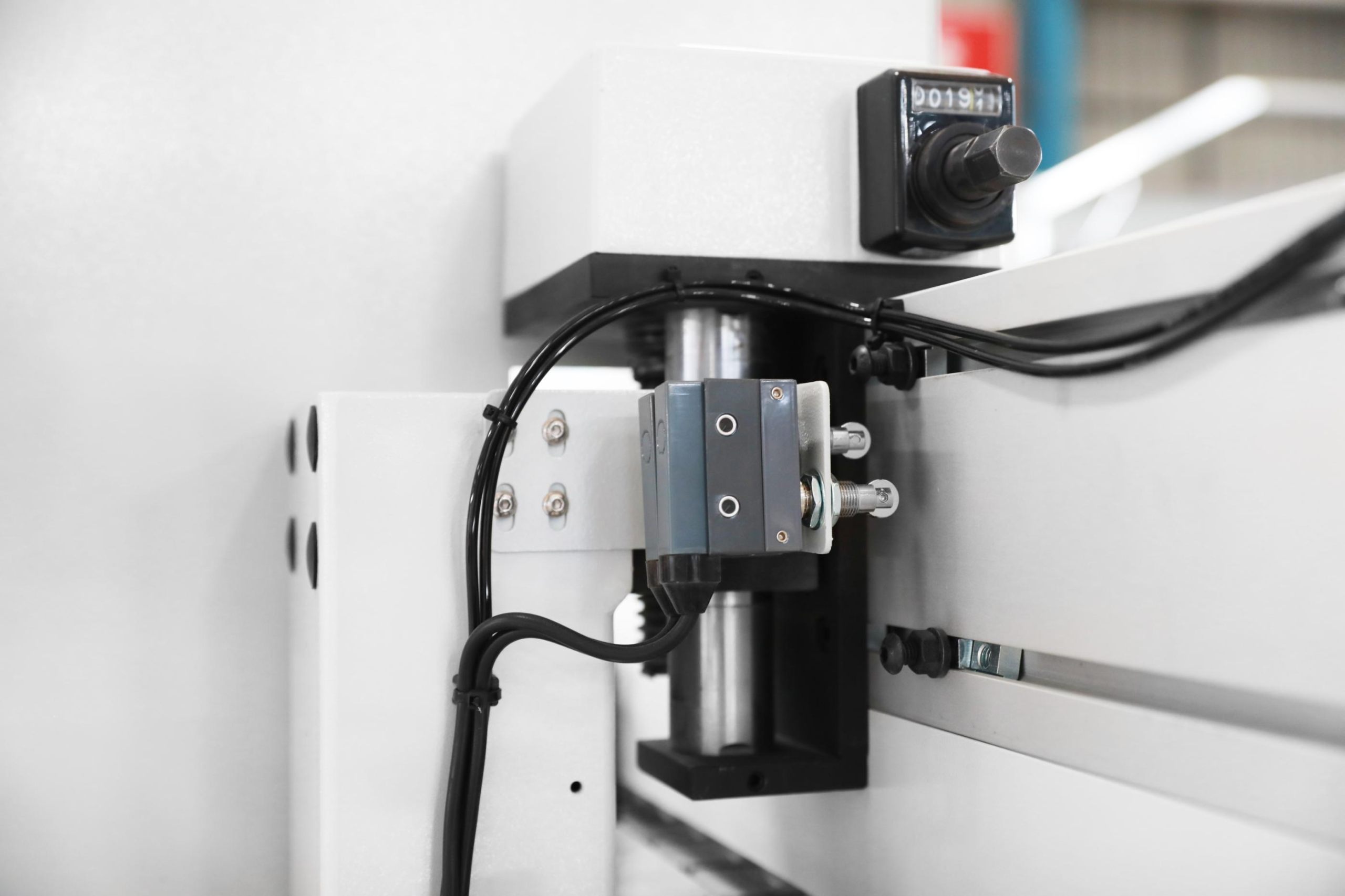
Local suppliers are being squeezed by short lead times, small batch orders and unpredictable quality demands. When a regional joinery must match a production line’s tolerance or a retailer’s rapid turnaround, manual edge finishing becomes a bottleneck; a precisely configured servo edge banding machine removes that choke point by standardising the final pass. The issue is straightforward: inconsistent edge work delays shipments and forces costly rework.

Why CNC woodworking matters here
CNC routing and automated finishing convert variability into predictability. Machines cut to digital files and hold repeatable tolerances, so parts that used to require hand-fitting now slot together first time. That matters to component suppliers who feed assembly lines and to small manufacturers who must deliver consistent pieces to wholesalers. Precision reduces waste, shortens cycle time and frees skilled hands for tasks that actually need a human touch.
Common mistakes that keep chains fragile
Managers overestimate what traditional tooling can deliver. They buy standard industrial kit without matching specifications to product tolerances. They undertrain operators. They ignore maintenance schedules because downtime is seen as cost, not investment. The result: machines are misused, rejects rise and supplier credibility drops. Avoidable errors include skipping test runs for new profiles, using wrong feed rates for veneered boards, and neglecting glue-system calibration. Addressing those prevents supply disruptions.
Field evidence and a recognisable anchor
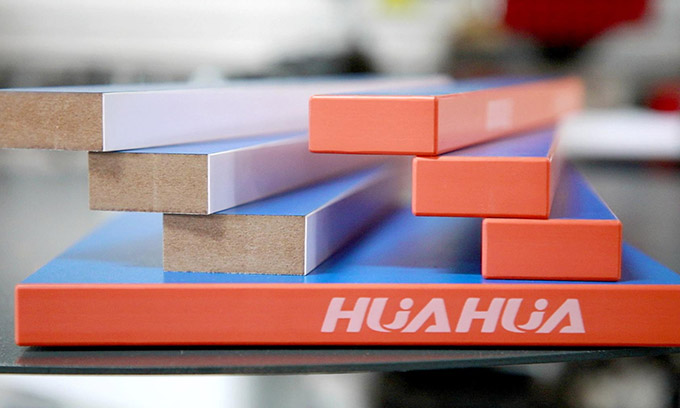
I’ve seen the difference myself at trade demonstrations such as Interzum in Cologne, where manufacturers displayed edge-processing lines and production workflows that migrated from craft benches to automated stations. The models on show — particularly the heavy-duty industrial edge banding machine — illustrated how consistent edge sealing and trimming reduce downstream rejects and ease scheduling pressure for distributors across Europe. That single observation aligns with what regional procurement teams report: fewer return consignments after adopting automated edging.
Practical steps for implementation
Start with clear tolerances and a pilot batch. Match machine capability to the most demanding product, not the average. Train an operator to run calibration checks daily and to keep a short log of glue temperatures and feed speeds. Schedule preventive maintenance after fixed hours, not when a fault appears. Finally, run small-batch validation against actual assembly conditions rather than shop-floor assumptions.
Concluding synthesis
Local supply chains gain resilience when woodworking steps that used to vary are made repeatable. CNC and automated edge-banding remove a stubborn source of delay and waste, provided teams pair the right machinery with disciplined setup and upkeep. That is where the practical value of well-engineered solutions shows itself through steady deliveries and reduced rework, a reality I’ve witnessed across workshops and trade shows and one that remains the most reliable route for suppliers seeking predictable performance from HUAHUA CNC.