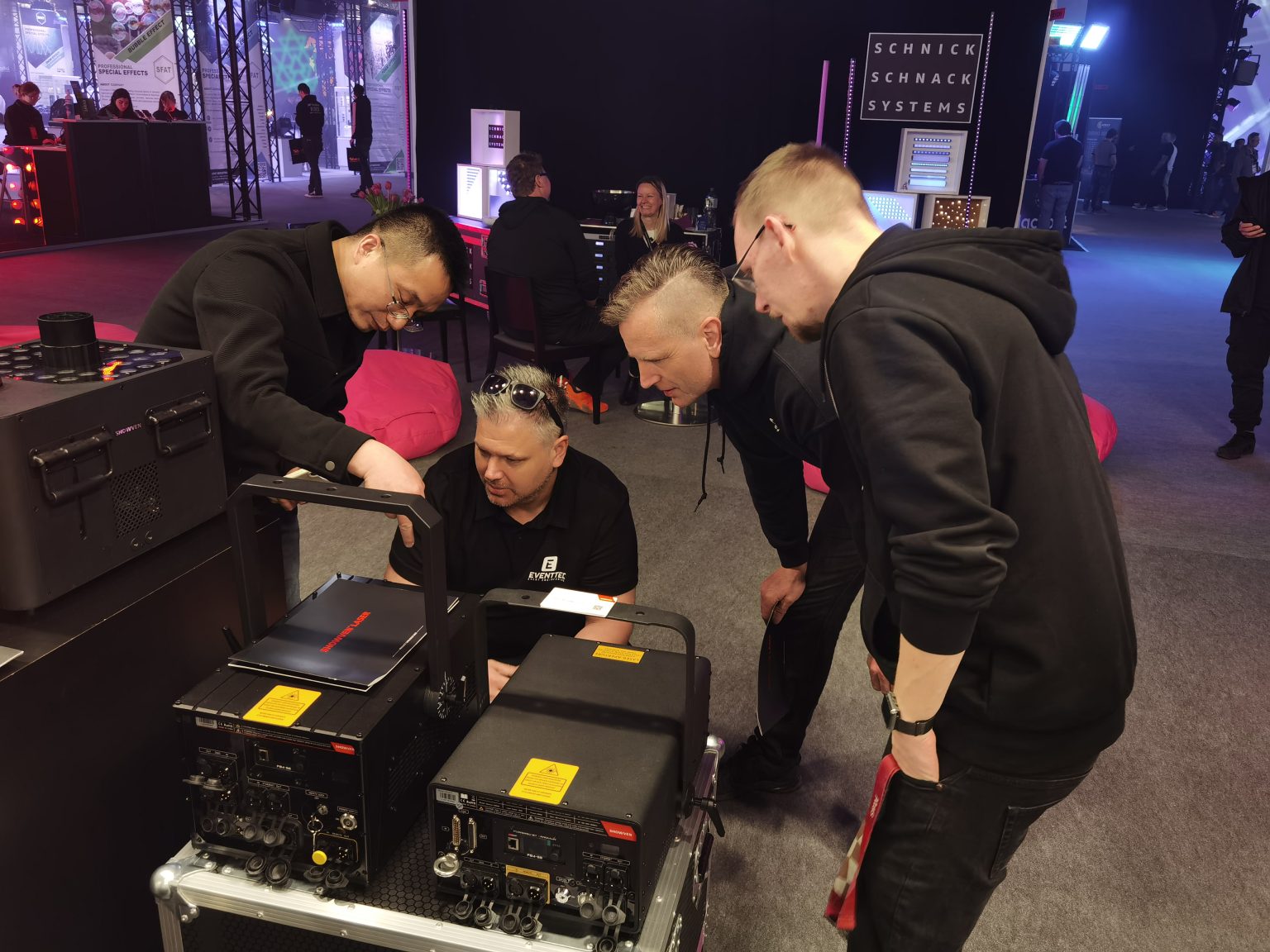
Why Many Light Shows Still Miss the Mark
You hit “go,” the crowd holds its breath, and the room drops to black. You trusted your laser light manufacturer, but the beams still drift a split second late. Choosing a light show projector manufacturer seems easy—until showtime. In big rooms, small delays stack up: signal hops can add 120–200 ms, and beam divergence can turn tight lines into fuzzy fans. If your galvanometer scanners warm up unevenly, you’ll see wobble by minute ten. Look, it’s simpler than you think: the bottleneck isn’t only power; it’s how timing, optics, and heat play together. So where does the gap open, and how do you close it?
Where do setups go sideways?
Hidden pain points live between the spec sheet and the rig. DMX512 chains can bottleneck fine motion, causing choppy pans when cues stack—funny how that works, right? Cheap power converters may ripple under load and make scanners sing (you’ve heard that). Poor airflow triggers thermal throttling; then color balance drifts mid-show. Outdoors, a light mist sneaks past loose seals and fogs optics. And when alignment shifts, operators over-crank gain to “fix” brightness, which amplifies jitter. The result: a show that looks loud but feels off. The fix starts upstream: tighter control loops for the scanners, cleaner regulation on drivers, smarter routing that reduces latency, and a build that keeps heat—and dust—out. It’s the difference between chasing problems and planning around them.
What’s Next: New Principles That Make the Difference
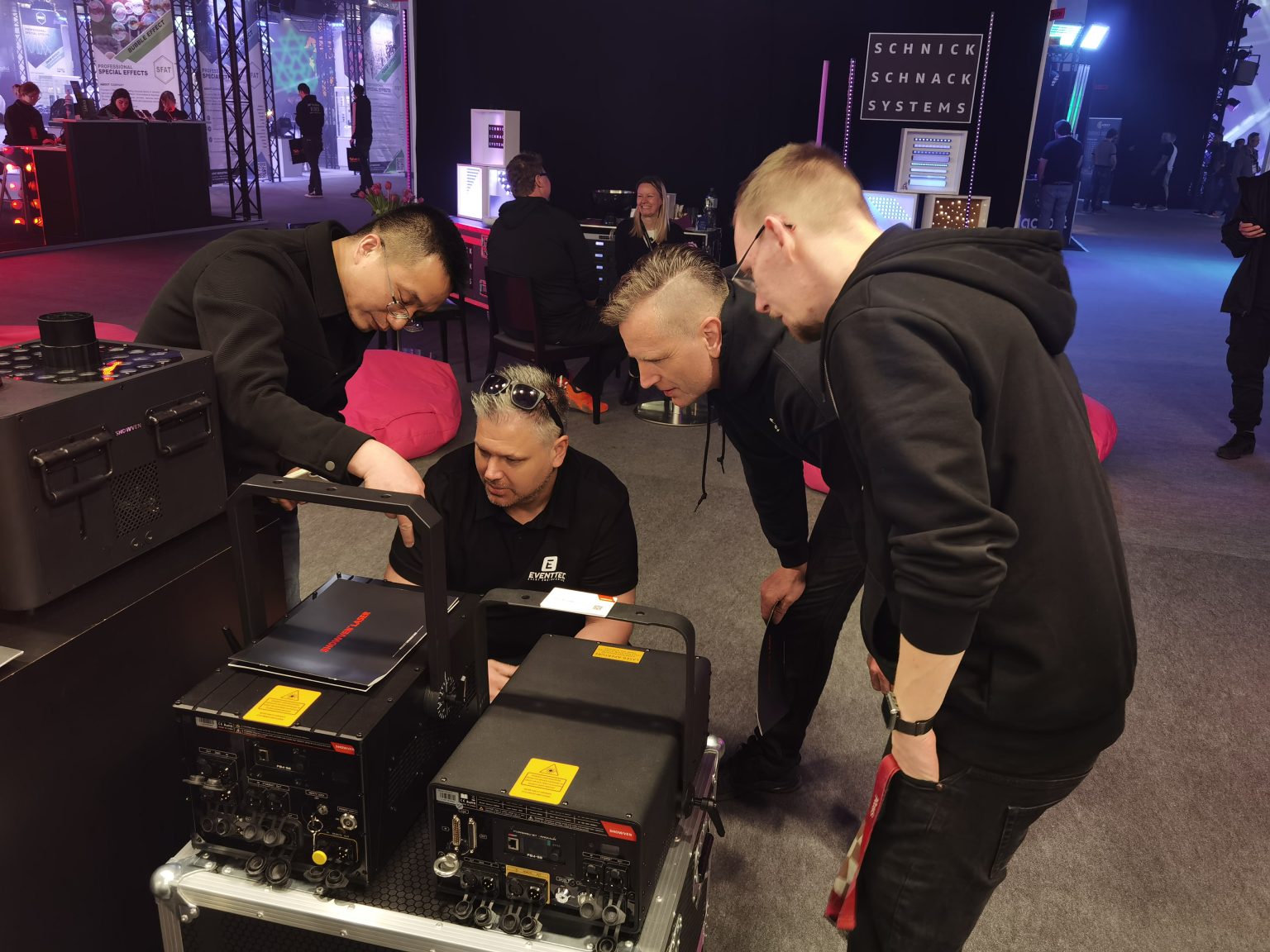
The next wave doesn’t just add watts. It rethinks timing, scanning, and durability, side by side. A capable laser show projector manufacturer now pairs closed-loop galvanometer control with higher kpps ceilings, then stabilizes it with smarter thermal paths. Instead of relying on long DMX512 chains, newer heads buffer frames and sync to the audio clock, reducing desync on fast chases. Optical paths use better coatings to curb stray reflections, which improves crispness without raising risk. And enclosures rated to IP65 help keep humidity from ruining your hard focus. The idea is simple—less noise in, less drift out.
Real-world impact
Compared to older rigs, this approach cuts mid-cue wobble and keeps color consistent under heat. ILDA frames render cleaner at speed with fewer artifacts, so motion stays smooth across corners, not just on straight sweeps. You’ll notice that your “big” looks now track the music with less compensation work in the console. Net result: fewer retries at rehearsal, tighter safety interlocks, and a rig that behaves the same on night three as on night one. To choose well, lean on three checks: 1) timing integrity under stacked cues and scene changes; 2) thermal stability over a 30–40 minute run; 3) optical quality at working distances—measure edge sharpness, not just lumens. Advisory note—test it live, not just on paper. And keep a short list of what matters for your venue size and crew flow. That’s how you turn specs into shows that land. Showven Laser