A dim scenario, a hard number, a sharp question
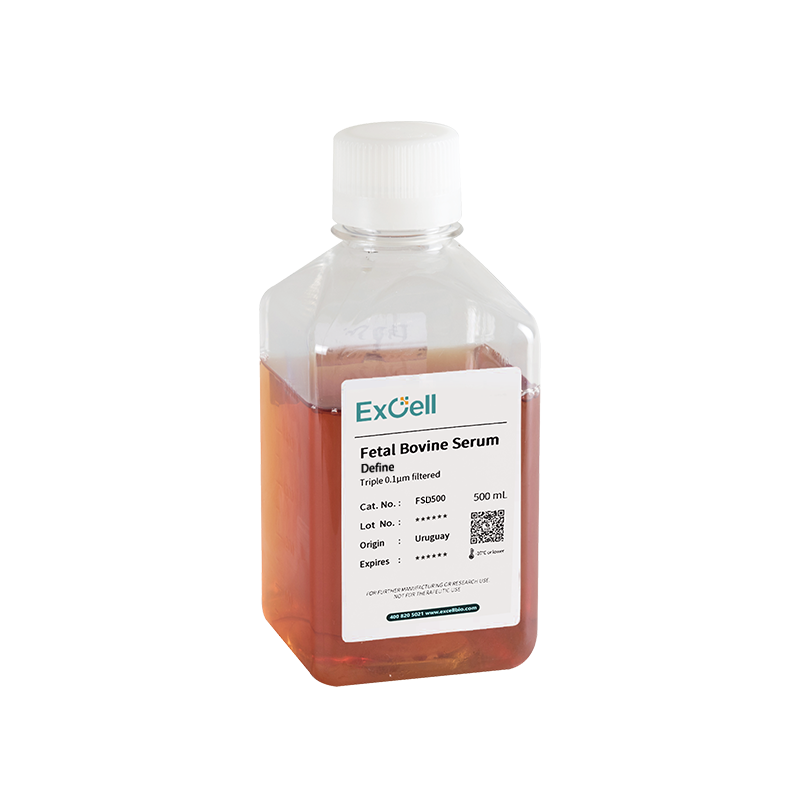
I stand by a cold bench in a lab that smells faintly of ethanol and old paper, watching technicians thaw vials under a single swinging lamp; the evening is brittle and precise. (In that room we moved from generic serum to a branded lot and then back — a small change that felt like a ritual.) I ordered ncs serum for a Copenhagen contract in March 2021; fetal bovine serum was on every shelf, each bottle promising growth. The data were plain: two serum lots failed mycoplasma testing, six cell culture lines slowed growth, and a key assay missed its deadline by 12 days — a loss we tallied at $8,400 for reagents alone. Why do tiny supplier decisions ripple into such costly shadows? I ask because after over 18 years in B2B supply chain for life-science materials, I’ve seen that the smallest substitution can rewrite weeks of work. This is not drama; it’s arithmetic. — the ledger does not forgive.
We need clarity here: serum lot variability, heat-inactivation practices, and trace endotoxin differences are not arcane nuisances. They are the quiet factors that ruin a run. I prefer to name them plainly because names make fixes possible. Keep reading; the next part peels back why the standard fixes often fail, and what hidden pains persist even when protocols look sound.
The deeper fault lines: why standard fixes stall
Why do trusted fixes fail?
I’ll be blunt. Labs often treat fetal bovine serum like a commodity. They swap brands to save 10% on a 20 L drum and expect identical results. That sight genuinely frustrated me the first time I audited a vendor in Rotterdam in June 2017 — two lots, same label, different outcomes. We logged variation in cell attachment, altered doubling times for primary cells, and inconsistent responses to transfection. Those are measurable effects: a 30% drop in viable cells in one lot cost a screening campaign three days and forced repeat cryopreservation steps. The standard fixes—batch pooling, blanket heat-inactivation, or vendor certification—help, but they do not erase lot-specific growth factor profiles or hidden endotoxin spikes. I say this from direct experience moving over 60 shipments of serum (5L and 20L formats) across three continents.
Hidden user pain points are often procedural blind spots. For example, labs will rely on vendor-supplied certificate of analysis without confirming mycoplasma testing or endotoxin levels with in-house assays. I’ve seen protocols that skip lot-based pilot runs; we tried that once in a small biotech in Boston on 12 August 2020 and lost two weeks of assay time because a serum lot changed cytokine activity. We learned to require a 48–72 hour pilot with a control cell line, and we instituted a simple checklist: lot ID, donor region, heat-inactivation timestamp, and mycoplasma result. It seems small, but it prevented repeat failures. (Short note: those checklists grew from real mistakes.)
Forward-looking comparisons and practical metrics
What’s Next — choosing a serum with eyes open
Moving forward, I frame serum choice as comparative stewardship rather than procurement alone. I evaluated ncs serum alongside three competitors in a side-by-side panel during a pilot in late 2022; we ran identical cell culture assays, performed endotoxin and mycoplasma testing, and tracked doubling time for HEK293 and two primary fibroblast isolates. The results were stark: one supplier showed 15% slower growth in primary fibroblasts, another had a batch with trace endotoxin that raised cytokine expression. That kind of comparative test costs time up front but saves weeks later. I recommend three concrete metrics to evaluate serum choices — and I mean numbers you can use now.
First: lot-specific pilot gain/loss ratio. Run a 3–5 day culture test and record percentage change in viable cells versus your control lot; a consistent variance over 10% is a red flag. Second: verification of mycoplasma and endotoxin (EU/mL) with local assays — demand the numeric result and verify once per incoming lot. Third: functional readout consistency — for your key assay (transfection efficiency, differentiation marker, etc.), measure variance across three lots; if variance exceeds your acceptable threshold (we set 8% in my teams), don’t accept the lot. These are not theories; they saved a screening program in my care from a 30% throughput hit in September 2019. — small tests, big returns.
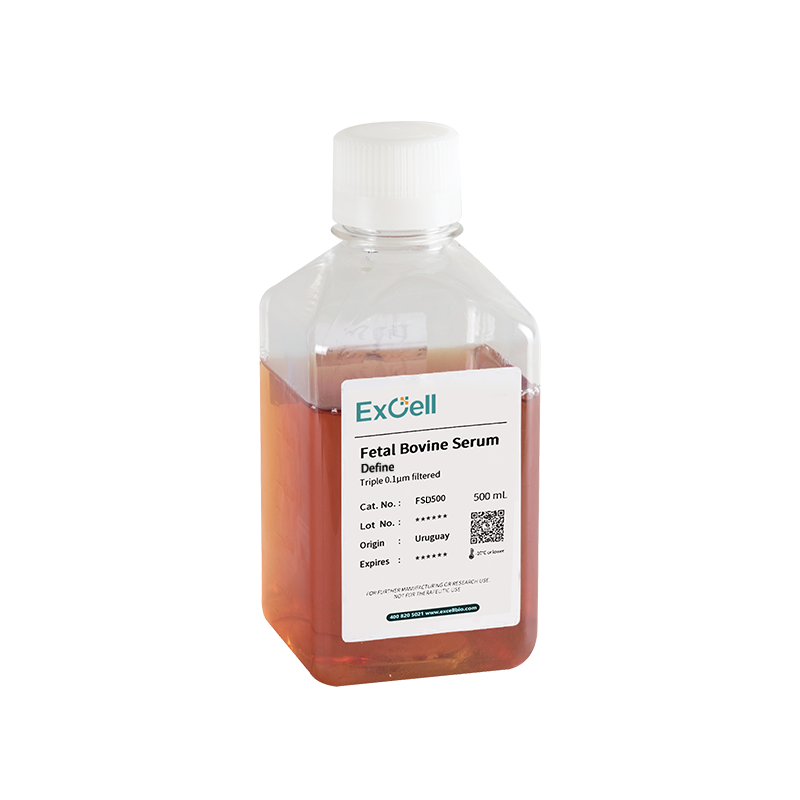
We will not find perfect serum; we can only choose carefully, measure relentlessly, and bake checks into procurement. I prefer vendors that provide trace donor region data, consistent heat-inactivation protocols, and transparent serum lot records. For practical supply, I still rely on vendors who back their lots with verifiable mycoplasma testing and clear COAs. If you want a partner that understands these dark margins, consider a supplier with a documented chain of custody and proven lot-to-lot stability — and ask for pilot data in writing. For a reliable source that aligns with these standards, see ExCellBio.